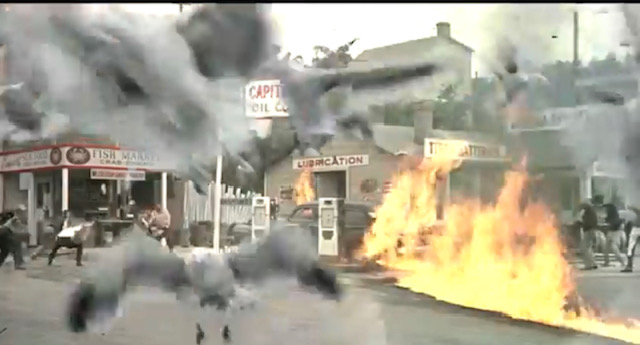
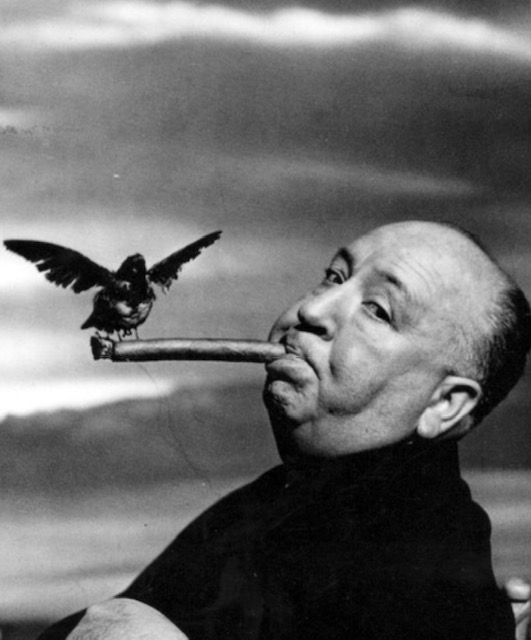
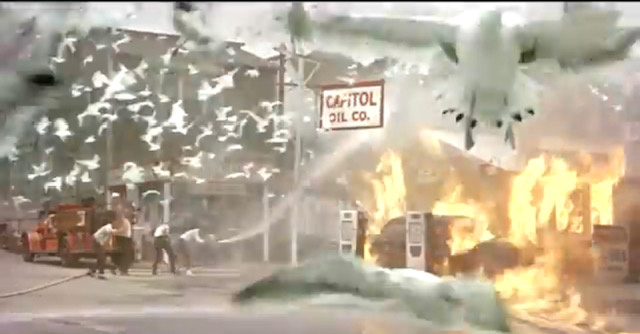
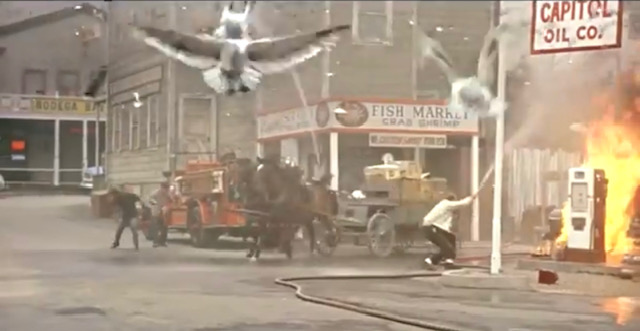
The Birds-1963

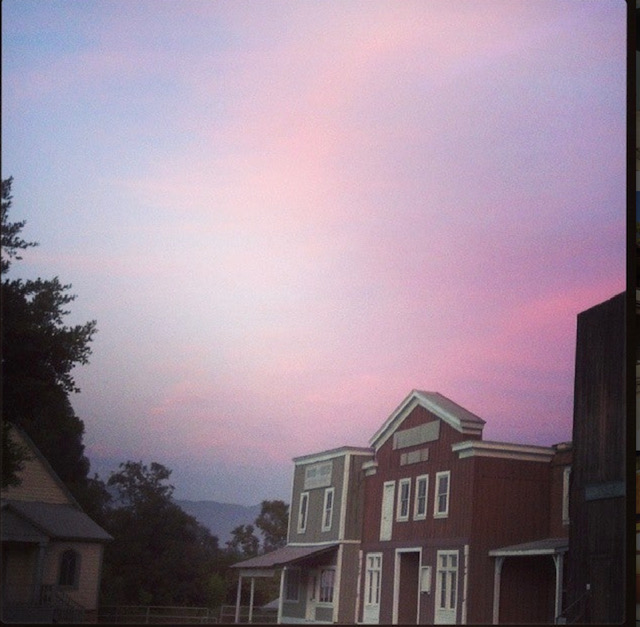
Inside- Bodega Bay facade…
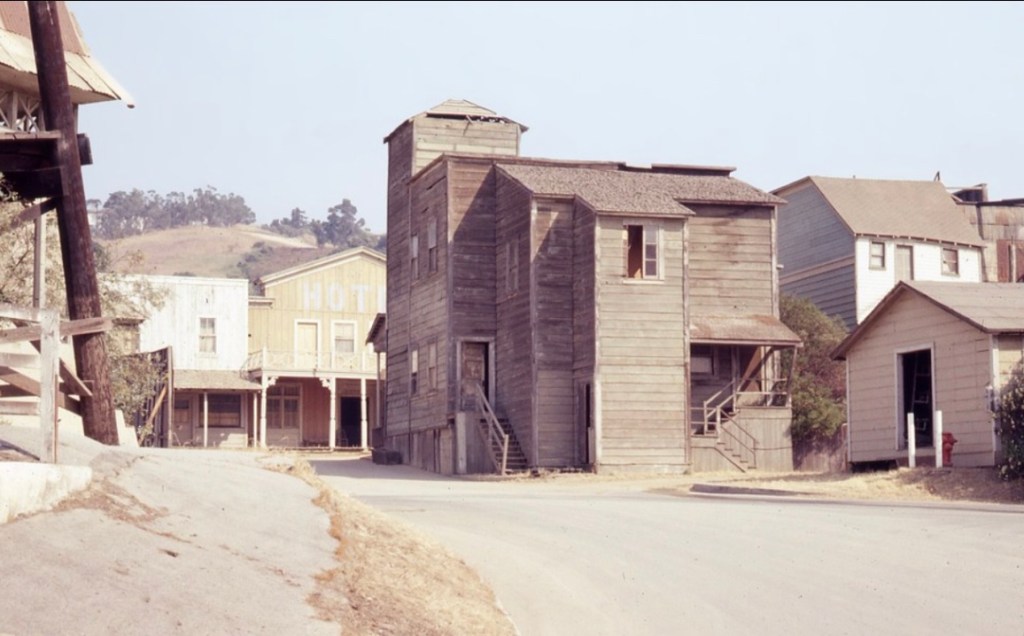
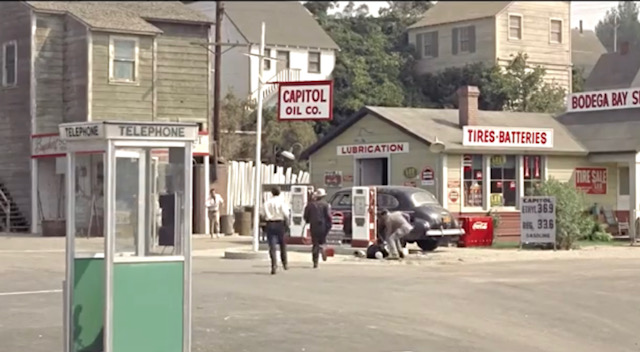
6 Points Texas-post Birds. The Bodega Bay yellow sign removed as is entire upper balcony.

This is a hot corner on the backlot “literally”- every direction on the lot is available from this intersection.
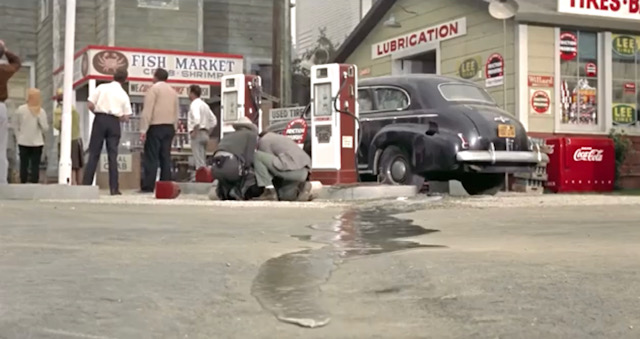
“No- don’t cut yet- this is the look we want, let him squirm”
“I’m a busy guy,” Alfred also was making T.V at this time. The Alfred Hitchcock Hour ran from 1962 to 1965. Prior to that the more successful Alfred Hitchcock Presents T.V Series ran from 1955-62.
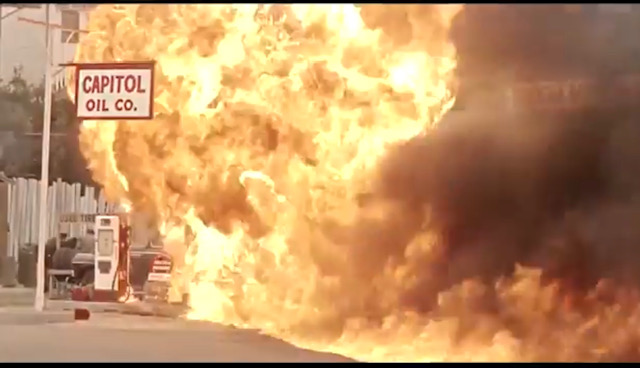
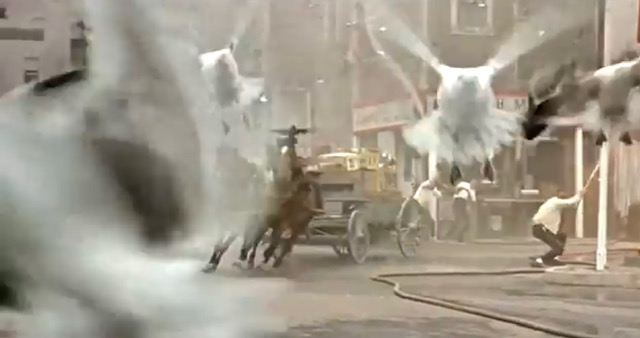
The fire is a real controlled fire- Birds added in post production.
Universal Backlot…
Take cover!
Trams would start driving down this same road in the following year -1964 The Glamour Tram Tour begins…Picture yourself in a pink and white being attacked by…BIRDS!
This adventure would make for a great animation on the tour…
The Universal Paddle Boat is just a false front that makes for a scenic backdrop and can enhance or block camera angles. Only one side is ship shape, the back-seen here-is an example of typical set construction.
Smashing Success Tour GuideJack”...Universal. “It can happen to you too!”
Tour Guide extraordinaire, turned big time director-Katy Garretson…
Bodega Bay background- Glamour Tram parting the Red Sea. Just another day at work.
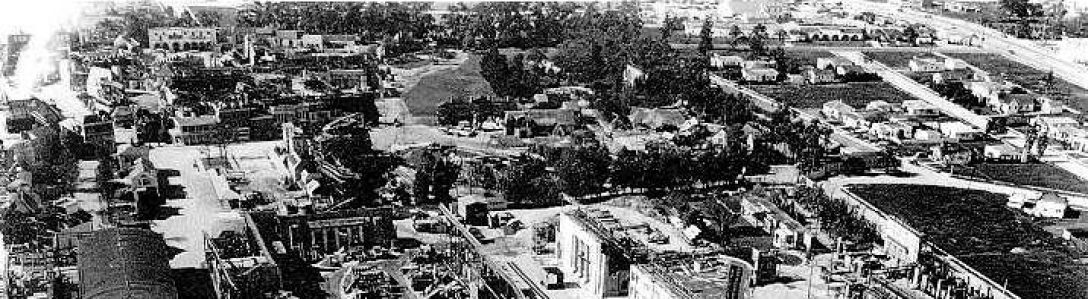
Circa-1919…pre backlot lakes

West End Six Points Texas…we begin:

In Hitchcock’s The Birds, location filming cleverly blended in the Universal backlot. When chaos ensues, production usually prefers a backlot controlled setting. This film used real locations in San Francisco and two towns Bodega. One Bodega Bay, a large village on the bay.Two, Bodega Village, a small inland village.The two towns were made to appear as one.

Make that three towns when you include Bodega on the Universal backlot. The most action packed scenes of course were filmed on our backlot. Bodega shared the same pond as McHale’s Navy in 1963. The naval base area set up for McHale’s merry band of soldiers was named Taratupa. It’s a just a depth charge away from the Bodega Bay set, at Universal.

In all my tram driving years, little if no reference was ever made by tour guides involving Bodega Bay and The Birds. Trams do pass in front of the bungalow Mr. Hitchcock operated out of, so he is always mentioned, both in the front lot, then the backlot. The Psycho House is a picture stop memory for tourists. But this Bodega set is not part of the guides spiel. Perhaps it’s overlooked by younger eyes. Actually, to spot Universal in this film is an advanced backlot logistics test. Good job if you already identified this location prior to this installment.

Trams passed through this set after exiting the Flash Flood and then a brief Hoo Ray in Six Points, we curve around the old paddleboat for our approach to the Red Sea. We would sit parked in Bodega waiting for trams to enter and exit the Red Sea. Guides talked mostly westerns and how small doorways are around here to make Cowboys bigger and damsels look more distressed.

Murder She Wrote did an episode in this area and it was suppose to be a movie studio backlot. In the eighties, this street faded to black, so to speak and was rarely used except for parties and rock videos. Alias Smith and Jones was the last western series to saddle up on these streets.

This gas station set is located in the center of the backlot, all roads funnel at this area that connects Lankershim Blvd to Barham Blvd and all backlot roads in between. This set lies in close proximity to film vaults and our underwater tank. The buildings surrounding this area that still stand depict a different era inside, one that never changed. Old wall paper is peeling off the walls and the curtains are held together by caked on dust. The buildings inside take you back to the days of the westerns with cowboys sketched on walls by a talented artist-long ago.

Three things every tourist see’s from a tram is The Hitchcock Bungalow, Bodega Bay Station, and the Psycho House. Bodega Bay sets rarely gets pointed out. In 1963, McHale’s Navy jungle set was right ac across the way from this set. The pontoon boats, could be craned out when a naval base was undesirable in our Red Sea. The studio uses oversized props and structures to hide or block views of other sets. The Paddle Boat is a floating rode block, it can look real by blowing steam out the chutes and the paddle can spin with help by effects. Cover with extras in costumes and begin the hootenanny. Everything will move but the ship itself. One of our many illusionary devices. It was common place to move the PT. 73 around also, from the Red Sea and also Singapore Lake, better know as Cabot Cove, the water Jaws occupies.

The tram backup during busy summer days back through this entire 6 Points Texas western area. This area is like the 405 freeway at 5 P.M. Slow going due to animation time needing to reset, the Red Sea needs to refill after each parting creates what we call -A Tram Jam.

Each guide treading water, with a just microphone to keep them a float, earn their tiny bags of silver stalling in the old west. Guides desperately try to keep folks attention. They proudly say something while constantly peeking at the tram movement in front of us. ” I wasn’t trained to say this much,” is the truth to their befuddled facial expressions. Veteran guides don’t over react and stay in the moment, but new summer hires just cram stuff in with a petrified look. Rookie guides tend to shout nervously. Most guides are new in the summer, it becomes a match to drown out other guides doing the same spiels in other trams. This is where-brain cells die.

I have more fun watching the guests faces as the guides attempt to enlighten and entertain. These backups can last a half hour in sometimes brutal sun.

Most guides are here just to be discovered by some director, it’s not the pay that seals the deal. It’s stardom… O’k that rarely happens but it’s the dream come true of every face behind that microphone. I once did a private tour for Whoopi Goldberg, she pointed out to our guide, quote ‘I once applied for a tour guide position but was refused, do to my color.” -” But I ended up making quite a bit more money!” with a devilish laugh she exclaimed in all her bravado. My struggling tour guide was happy for her success, I could tell. Do say, She didn’t tip like she’s rich.

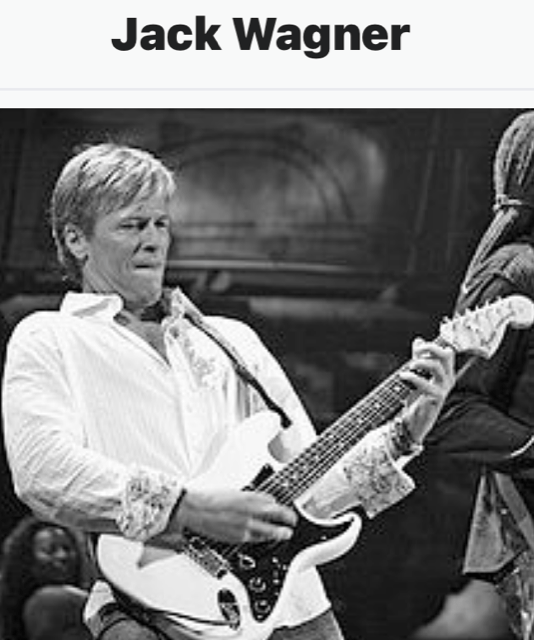
Jack Wagner is the biggest success story to move on from that backwards facing seat with the microphone.

Another guide named Katy Garretson moved on to directing from her front row seat on the tour. She has won achievement awards, you could tell she even on the tram she can run a show. These two former guides achieved high professional success and are now legendary in their previous world of tram tour guides. Role models if ever there was…

For us drivers, we’re Teamsters…life is good. We jump from shows- to tours, and vice a versa. I have so much fun on these 4 car contraptions, you meet the entire world and show them your small portion of your Universe. Especially on private nights when companies rent out a tram, driver-guide, we are a team after all, and do liquored up tours with folks letting their hair down. Spirits bring out the spirits. Not everybody has the cash to rent this place out, those who do sure have fun.

Bodega Bay is more than just a duplicated set on our backlot, it’s a way of life for us tour employees.Tour Guides pour their soul out in this area and it’s my job to listen, before driving to the next stall- backup for more of the same…

You can never have enough information when it comes to touring with 175 captive customers.

and on the drivers side of the tram that ditch was in Night Gallery”…”no it wasn’t” but if you say it on a microphone it happened. Make it up, yep-I’ve heard everything from my All American Good Looking Side Kicks!

Written and Lived by…Donnie Norden.

Desilu’s Lost Film Vaults-Revisited

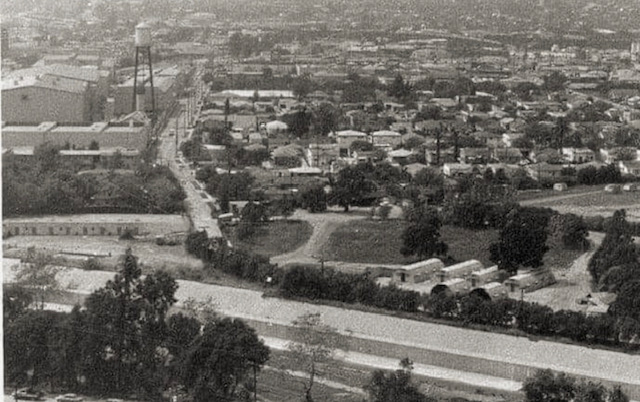
Vaults circled, 1976. The Desilu Forgotten Vaults. A yellow water tower stands where the guard shack once was. The entire lot is gone except for this locked up storage facility. I was able to breech this fortress and we put tennis shoes on the cement floor inside this strange smelling bunker. We entered through the roof after hours of intense struggling through each security protective layer. Yes, this impervious and supposedly invincible facility was uncorked by a handful of determined teen-agers. That story can be enjoyed in my book….Hole in the Fence.
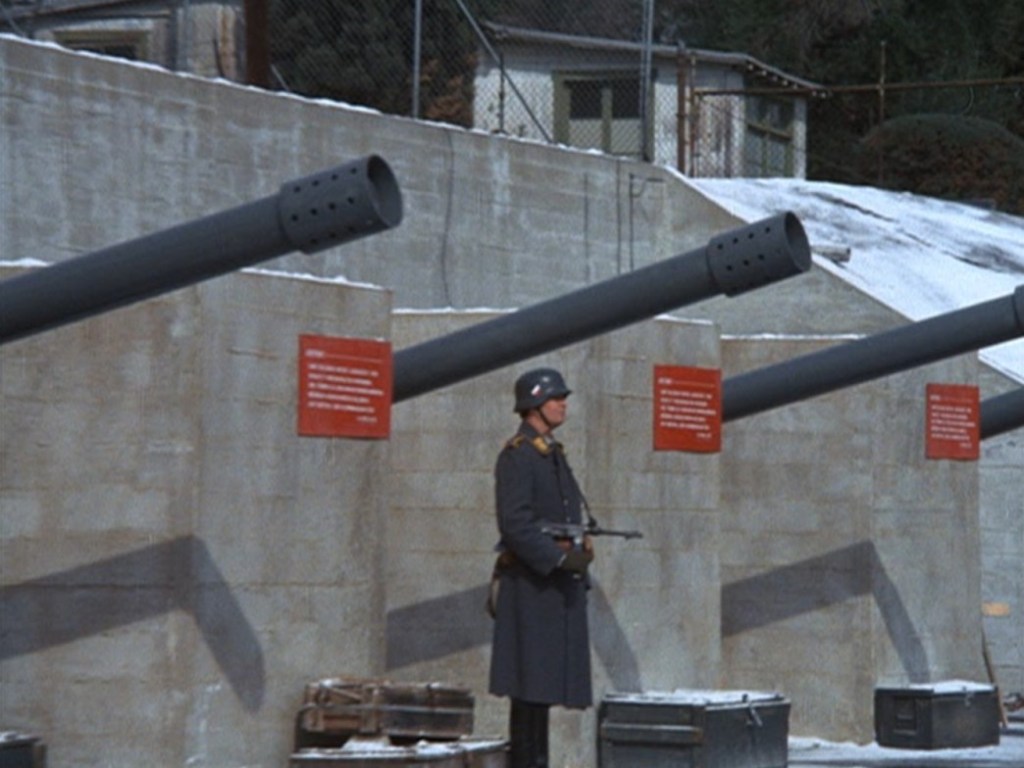
In this 1969 episode of Hogan’s Heroes, the film vaults provide the setting for this German gun installation. The episode, starred Vito Scotti. Previously, that role was played by Hans Conried. The red door is one of eight that enter these vaults. That’s a heavyweight solid steel door fleeced with fake snow.
Each vault has its own anti-aircraft gun. The shed at top of the picture is at the Main gate fence line on Ince Blvd. Hogan’s Heroes was a Paramount/Gulf Western Production in the final years of this series. I believe they secured their assets from this vault area. Probably one of the last withdrawals of film. The Lost Episodes of Lucy-were inside these vaults, uncatalogued. I have much more on the legendary editor Dann Cahn, to come. He was able to find cuts inside these vaults that became the Lost Episodes…
Dann Cahn-pictured center was given a career achievement award by the American Cinema Editors. He is also known for finding and putting together the Lost Lucy Episodes from the Desilu Vaults. He was the last surviving member of the original creative team for I Love Lucy.
Dann Cahn, center, at his bachelor party thrown by Danny Thomas and Desi Arnaz. He was the editor on- I Love Lucy. He recovered the lost episodes of that series from these vaults. What I want to know is… what’s in that tiny trinket box? Photos courtesy of his son-Danny.
Film Vaults-bottom left. Picture from Baldwin Hills. Hughes Tool Corporation, Hetzler Road.
Oil Production is taking place adjacent to these vaults. “There’s oil in them there hills!” In 1924, oil was discovered in the area surrounding these backlots. Oil and film came to Culver City at almost exactly the same time period.
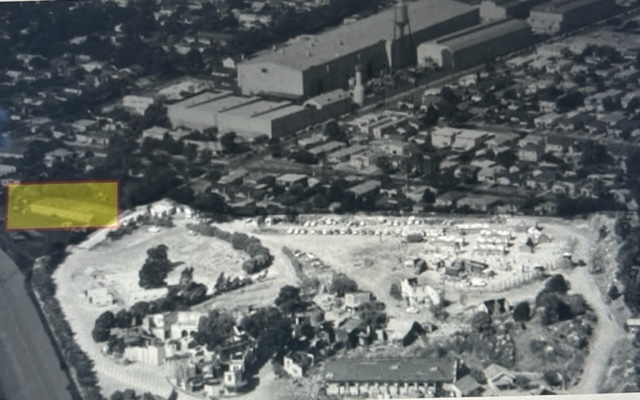
This is where Ince Blvd terminates into various dirt roads at the 40-acre main gate. Those eight white squares are the roof of the film vaults. This is a cement bunker with 8 blast doors, one for each vault. Normally this area outside the blast doors is used for storage, in this picture, oil production is taking place outside, a derrick is positioned in front. It’s real, not a set. Standard Oil made the hills overlooking this studio a boom town- striking oil in 1924.
Main Lot -Two vaults off Ince Blvd. 8 more located out back.

MGM…A vault at MGM exploded, August 10th, 1965. An electrical short caused the nitrate to explode. One man died. The blast could be heard all the way to MGM Lots 1 and 2. The entire contents were destroyed including several silent films and only known originals. MGM Studio Manager Roger Mayer describes vaults as “concrete bunk houses.” He stated at the time it was good storage because the film couldn’t be stolen. MGM Lot 3 had their vaults spread out so fire could not spread between vaults. MGM never purposely destroyed their film catalog, starting in 1930, MGM gave prints and negatives of its silent films to The George Eastman House. Thus began the transformation by Mr. Louie B. Mayer to transfer nitrate prints to safety film. Despite this sad mishap, MGM has saved over 68% of its silent films, the highest percentage of all the major studios.

Silver/Nitrate…is what existed inside these vaults. Residence homes on Ince, and Van Buren, butt-end with this potential fire hazard. Movie theaters have been known to catch fire with this film stock.
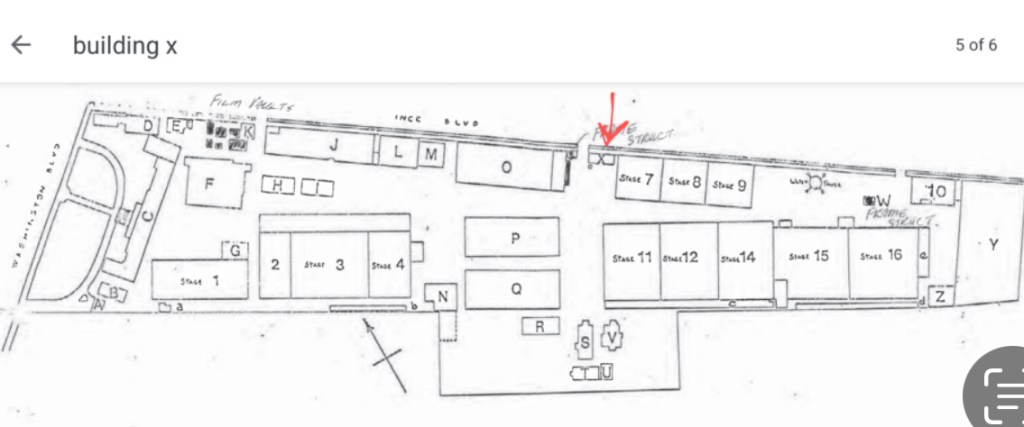
The area highlighted is the Film Vaults in bunker form.
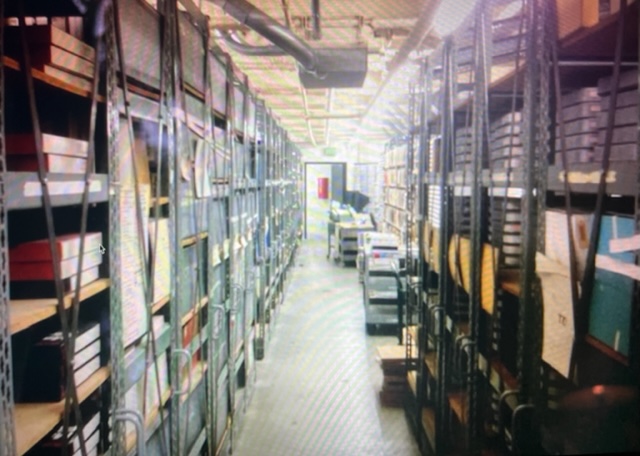
This is one of Universal’s vaults that was next to the New York Street fires –two fires! These buildings are air conditioned for film preservation and employees here wear coats. Firefighters on the ground and in helicopters – helped defend this vault in the two legendary blazes on New York Street. Inside these vaults-it’s cold, a bit damp and smells strongly of film.
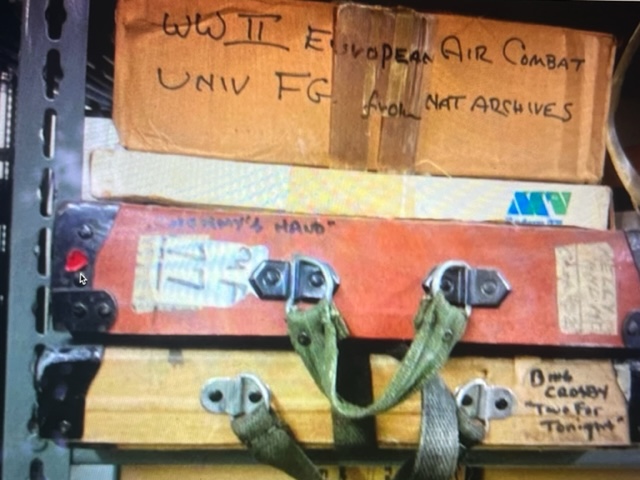
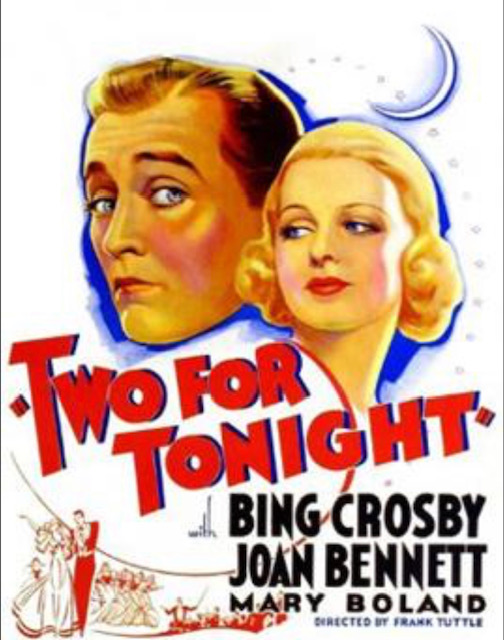
Universal Vault, I add these because Desilu racks look quite like this, just more of a cryptic tomb setting, like it was aware of its fate. Bing Crosby has a film inside here…”Two for Tonight.” Bing Crosby BCP was on credits for Hogan’s Heroes episodes.
Bing Crosby ProductionsHogan’s Heroes call sheet. BCP on ending credits…
Stuff exists in these vaults that has little if anything to do with complete films. Fact is-anything film over decades gets stuck inside these enclaves. Everyday goings-on, when captured on film and deemed savable, end up in these temperature-controlled vaults…Universal
An organized film vault looks like this…this vault is active and many of these shows are in your TV line-up today.
Organized for generations to come, most these shows are airing in some TV Land near you.

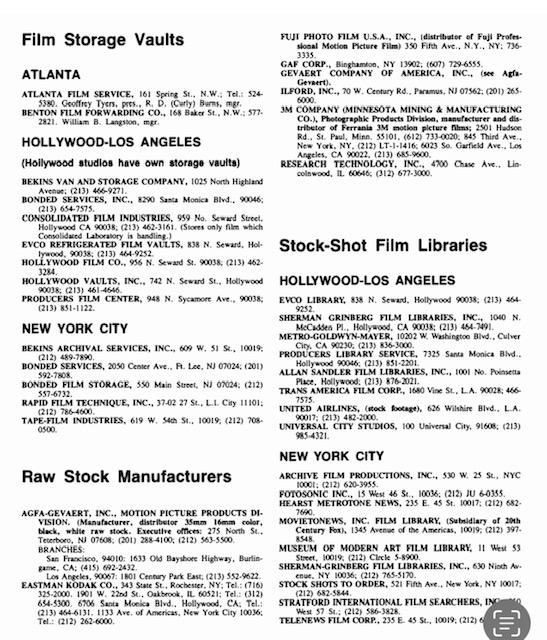
The major studios have their own vaults. MGM and Universal listed, RKO/Desilu no mention. They need them to store their films. The construction of these old vaults is fairly identical in regard to the old bomb shelter construction.
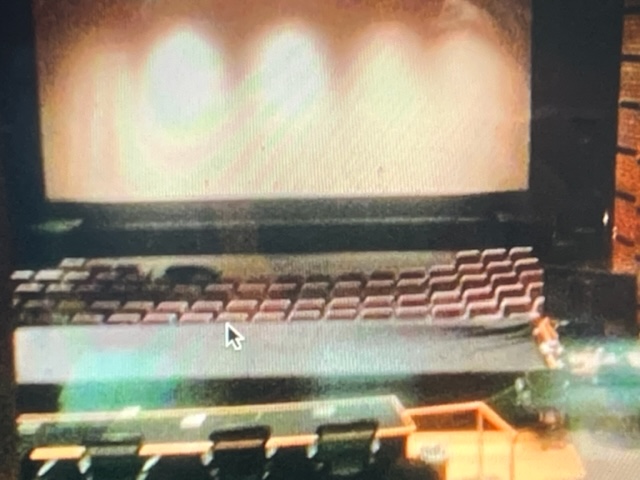
Projection room in Theater 2…Universal.
A mixing console is covered in between these rows of seats. Films get worked on, if need be, in post-production but also get screened here for VIP’S.

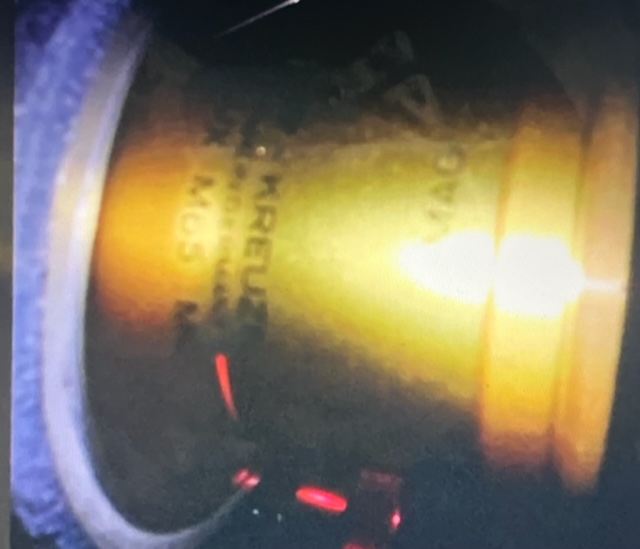
The projector lens merges sprockets of spinning frames of film onto a theater screen. We had 3 theaters when I was at Universal and this area, located alongside Doc Goldstein’s Sound Department, was always extremely busy. This is where film post-production creates the final product.

Let’s first start with this announcement-If you don’t already possess Hollywood’s Lost Backlot, Steven Bingen’s sensational book on 40 Acres, Get It! It’s The Bible for pictures and facts about this legendary backlot. You will refer to it all the time, the perfect Desilu Rerun companion. Also, his latest book, The MGM Effect, has a story with yours truly featured. I’m extremely honored to be part of that legacy and will do all I can to keep that logo alive and breathing forever. Another must have book for your studio library shelf, which- is the best shelf in the bookcase. Finally, an audio bonus, check out the podcast by Greg Dyro on the making of The MGM Effect, available online.

Fade-in;

Because of all of the changes in ownership involving this studio, things got misplaced. In some cases, for decades. You still might still find an old make-up trailer just sitting around, covered with dust.

The very last structure to be bulldozed at 40-acres were the Film Vaults. In a land that once had sets from Stalag 13 to Mayberry, only a few trees and blowing tumbleweeds remained in August 1976. I shared previously my excursion inside these bomb shelters that are literally explosion proof. That’s because the contents inside are extremely volatile. Just recently I was contacted by a man named Barry, he happens to be the last handful of folks to see this place be excavated.

He contacted me because I’m one of the few folks still alive who has been inside. My entrance was about six months prior to the afternoon- I’m about to detail.

The Main Gate on Ince…

This is how you enter this backlot, you know you’ve arrived when pavement turns to dirt.

Welcome... A guard shack no longer exists just inside the chain link fence, it’s been replaced by an elevated industrial water tank to fill water trucks needed to help control blowing dirt. Yep, this lot is going, going, Gone With the Wind. Camp Henderson is the first missing set you notice and that hits you like a punch in the nose. To see this lot this barren, you would need to rewind over 50 years.

But the one thing that still stands was built for preservation, even in a war. Its appearance is that of a bomb shelter. Thick cement walls with heavy blast doors. The light switches inside can be used in an explosive gas atmosphere. That’s because this film is silver nitrate. This film has a nasty reputation. It’s been known to catch fire in movie theaters.

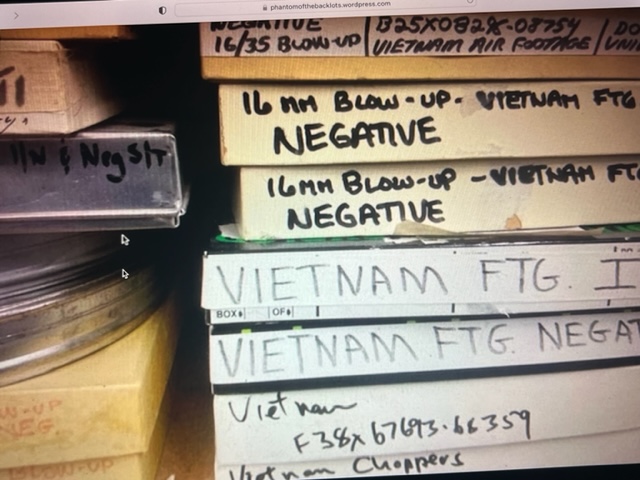
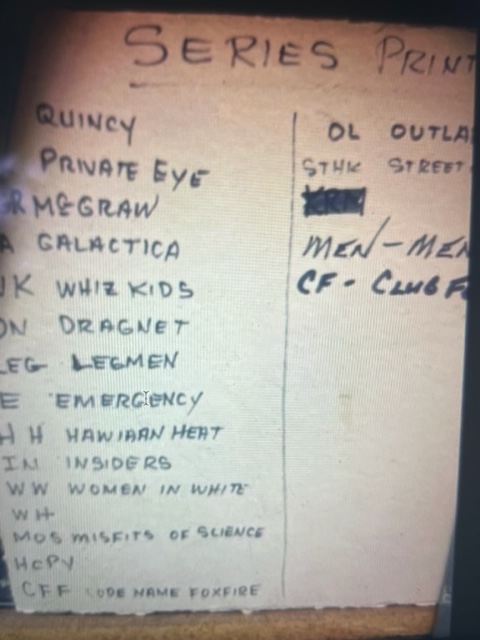
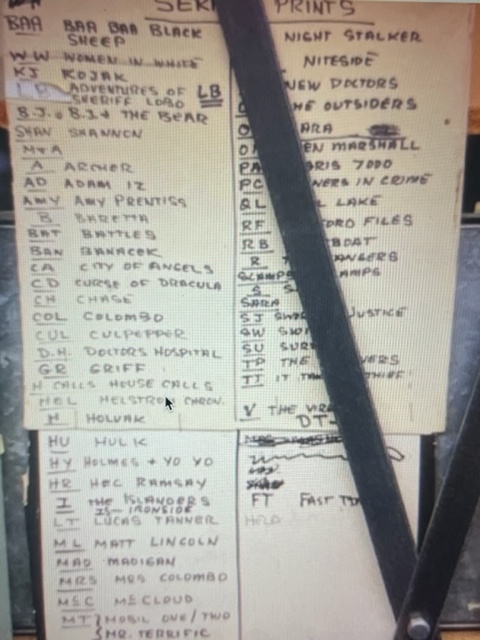
Nitrate was used from the late 1800’s to the 1940’s. These bunkers date back to that era. RKO probably built these, Desilu inherited them, and television made its way inside. Racks and racks and racks with enough film to stretch to New York are packed like a sardine can. The cans are labeled but little inventory can be diagnosed from the racks themselves. Basically, you just look, if it was a TV series, like everything I saw there was, then all these prints were stacked against each other. The more successful the series, the more cans it will have. Some film is 8mm, some is 16mm, the cans vary in thickness. One reel per can, some cans just contain cuttings. Strips of film frames captured in a roll held together by rubber bands.

Water then crept inside, so the bottom rack was inundated, and white calcium deposit levels show different water levels. This place seems to have been forgotten. Maybe no keys still exist. This studio has had several owners since Desilu sold it. Nothing seems to have been passed down from previous ownership. It’s like a sci-fi movie where everybody evacuated. I got in without keys and it was not easy. You can read my account in detail in my book Hole in the FenceThe Desilu Film Vaults.

Today, we will suffer together the twisted fate that was sealed in this tomb of chemicals and flammables and celluloid. We’re talking Hollywood’s most legendary stock TV series’.

Casablanca, Gone With the Wind, and Citizen Kane were recorded on nitrate, the earliest form of motion picture film. The latter two films were shot at this studio. As nitrate was phased out in the 40’s, many archives were destroyed intentionally, to eradicate the hazardous materials. Film archivists held nitrate in a different fiery light. Besides being an important ancestor to all forms of film to follow, nitrate is lauded for luminous contrast images resulting from emulsion rich in silver. It’s safe if handled properly.

As teenagers on the wild side, the word properly was misunderstood. Open the can lid and smell what is rolled tightly inside. If you want to see it, that requires unraveling the film, which I’m certain was EXREMELY DANGEROUS. Boys will be boys and we were looking for costumes and props- not film. I guess that’s why my mom always said ” Donnie-just be careful” every time I went out our front door.

I’m still alive so I did something right, plus I have a wonderful Guardian Angel that’s saved me numerous times.

What I describe on this day is through a different set of eyes, my pal Barry.

Ince Blvd– at the 40-acre backlot entrance a visitor arrives...

The main gate is wide open since there is no more backlot. Barry, a trespassing veteran himself, pulls in like he owns the place. Immediately, he sees a barren landscape, no more Camp Henderson, no more anything, except a claw on a huge tractor that’s parked in front of the film vaults. One door has been ripped off as he parks his car where he can observe. A huge dumpster sits precariously close to the action. A guard is with the operator and demolition crew.

Barry, during a lull in work, enters inside. The contents are about to be destroyed. He picks up a few cans and tucks them away in his car. That was easy, but as he returns, security this time says, “Stay Out!”

Following instructions, he stays out, but instead sneaks around to the blind side of this dumpster to grab film that’s been dumped. This time security is angry and asks for some I.D. He talks his way out and says he’s with the studio. Calm, cool and collected- but intensely frustrated, he exits just as the giant claw tears off the roof. This is a massive bucket doing the dirty work.

The items randomly recovered by our want to be hero turn out to be the Pilot of Star Trek, Captain Pike, not Captain Kirk. These are cuttings, not full reels. Other cutting tied by rubber band turn out to be Lucy, Ricky, and Bob Hope driving around in a convertible. These items were very close to being underwater as the bottom rack was at sea level.

Other films on the rack besides Star Trek included a pilot called The Sheriff of Cochise. Westinghouse Desilu Theater, and some I Love Lucy cans along with The Whirlybirds. Paramount had labels on film cans in the dumpster.

Edison-The All Electric House of the Future had film inside displaying futuristic homes.

We will never know exactly the depth of this catastrophe, but when you hear of lost episodes, this hand me down studio really did lose things. I imagine some recovery was made since there is enough vault space to handle decades of film. RKO has to have stuff inside here that was lost. I think they built it. Desilu took it over and TV filled the racks.

There is a comment I’ve heard researching what I still can from Desi Arnaz himself, dating back into the sale of Desilu on December 29, 1967 “Throw it all in the Santa Monica Bay” in regard to much of this film.

Back in the day, TV only had channels 2-13. Seven channels, if you’re lucky. This translates to tons of content with minimal ways to sell it. Quality shows, view outlets. Storage costs money, so if a product isn’t generating revenue, it costs money to store. Plus, liability, kids prior to this demolition accessed my entrance and film would be blowing down in the creek. It’s a miracle no kid met with a fiery fate.

The studio that brought you GWTW now is entirely blowing in the wind…ashes, dust, and celluloid make up this lost horizon.

Until 1962, Desilu was second to MCA’S Review Studios. When MCA bought Universal Pictures, Desilu became the number one independent production company until being sold in 1968.

That’s an update of an event that happened almost 50 years ago. No other studio mishandled their inventory like this Lost Backlot did.

Fade to Black

Written and lived by …Donnie Norden

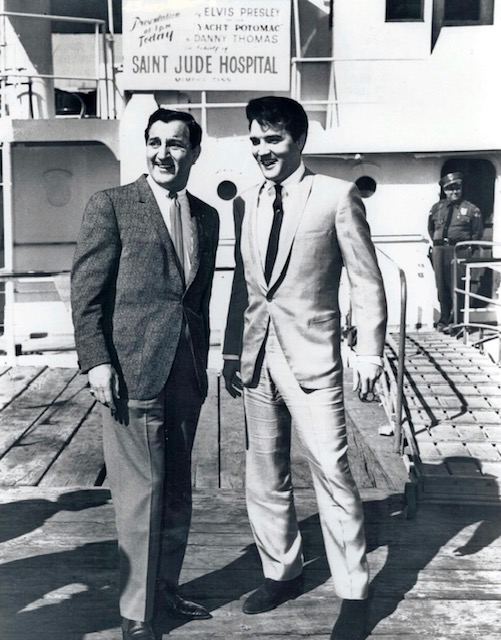
Danny Thomas

Quality Television…

Lucille Ball and Desi Arnaz are the faces that come to mind whenever you see the Desilu title identified. Never was the label more proudly displayed than the signature a top the water tower that once overlooked this studio. It could be seen at ground level from every street on the backlot. Your not in Mayberry if you don’t see this water tower.

Lucy and Desi proudly claimed ownership in 1956 and the studio thrived unlike ever before. Thomas Ince once had a plan, but strange things happen around here. RKO, the next owner after DeMille, never had a plan, just do what you wish on this wild backlot ranch nicknamed 40 Acres.It actually gave the lot charm, comparable to some nice orphan kid growing up at Boystown.

Television was starting to taking off back in the mid 50’s and the landscape around this lot would end up in a majority of classic television series going forward. Lucy and Desi have a crystal ball. There’s a new sheriff in town and he smokes cuban cigars. Money is spent wisely, not foolishly, and efficiency is introduced to a studio that use to make decisions from the saddle of a horse.

Enter Danny Thomas:

One afternoon I was watching Andy Griffith reruns with my mom and I asked ‘Who is that Danny Thomas guy whose name is on the credits?”

My mom kicked into church mode and spoke in sincere heart warming terms, “Donnie, he is a Saint- he helps kids with serious needs” …My mom began tearing and choking up, for she also had a physical disability that handicapped her for her entire life. Because of a bad hip socket at birth, as a young child, she had some horrific and almost barbaric remedies performed on her. Forever, she walked with a metal, adjustable, heavy duty crutch. It often doubled as a machine gun when not in cane walking mode. It was a really cool looking- crutch/weapon in the hands of her young son. Best compared to Cage’s gun in Combat, the only thing missing from my mom’s crutch is a bayonet!

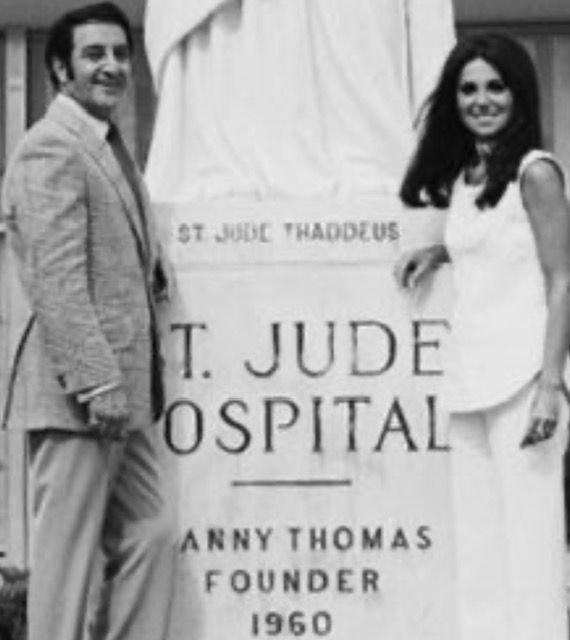
Bless her heart…Her ailment started long before St. Jude was founded by Danny Thomas on February 4th, 1962 in Memphis Tennessee.

My mom is my hero and Danny Thomas is her hero.

From that moment on- he had my stamp of approval and I soon noticed his name is involved in quality, both on TV screens and countless kids hearts…

1953-Danny obtained his own T.V program with posturing by his agent to a struggling ABC Network. To acquire the services of coveted Ray Bolger, ABC had to take on Danny Thomas. The network was skeptical of this throw-in due to previously low ratings in other endeavors. After some brainstorming, the network came up with a series for him titled Make Room for Daddy. In 1953, it was billed as the best new show on that TV in your living room.

In 1957, it shifted to CBS and slid into The Lucy Show time slot. That show finished off with 180 episodes, many that somehow became lost. “More on that in a future film vault post”

While working on Make Room for Daddy, Danny and aspiring producer/director Sheldon Leonard developed a bond and Sheldon became the shows executive producer. Thomas/Leonard Productions was born. A powerhouse merger that home based off the Desilu Lot.

It was responsible for :

The Real McCoy, The Andy Griffith Show, Gomer Pyle, The Joey Bishop Show, The Bill Dana Show, and The Dick Van Dyke Show.

The Bill Dana Show starred- Bill Dana, but Don Adams played Byron Flick, and Jonathan Harris, who would soon star in Lost in Space. This show ran from 1963 to 1965.

Sam Denoff, Bill Persky, Jerry Parris, Marlo and Danny Thomas produced…That Girl.

Desi Arnaz ran the Desilu Westinghouse Desilu Playhouse at this same time. Desilu had so much going on it occupied three movie lots, two in Hollywood and Culver City’s old Thomas Ince facility.

In 1965, Sheldon left the partnership to develop the series I Spy. In 1967, Mr. Thomas tried to buy Desilu from Lucille Ball, but was unsuccessful.

Andy Griffith was the first spin off on American television. It originated from a 1960 episode of Make Room for Daddy. Success poured Danny’s way as several of his TV shows reached Number One. He is also responsible for casting Mary Tyler Moore as Laura Petrie.

Andy Griffith was a spin off of No-Time for Sergeants and Gomer Pyle was a spin-off of the Andy Griffith series. All these shows could be found on the Desilu backlot. Gomer Pyle too became another huge success, In it’s 5 year run, it only fell under top three rated shows once. where it fell to tenth. NBC wanted to spruce up the ratings for Star Trek and was penciled in that Friday night 8;30 time slot, thinking Gomer was in decline. Not the case, Gomer zoomed back to the top and Star Trek got canceled.

All these iconic shows filmed on the Desilu backlot and the negatives ended up here also, in the film vaults that time forgot…more on that to come.

I had a Gomer Pyle lunch pale, I wanted it because it has the Gomer’s barracks in the background as Sgt. Carter gets splashed in the face by a water hose. I loved Frank Sutton. He was the perfect Sergeant. He was a W.W2 in the Army and saw combat in the Philippines. Frank was also a black belt in karate.

Much of this era- and decades before- ended up in film vaults on the backlot. Ironically, shows that filmed at this bunker would eventually end up inside this cement fortress with 8 blast doors. This vault area will be a topic of discussion in my next post.

I wish to thank Danny Thomas, Marlo Thomas, along with Terre and Tony for their effort in making St. Jude the place where kids can fulfill their lives. Let’s all say a prayer for these wonderful in need…

Outside the studio main gate…On Ince Blvd.

The surroundings of what was then Desilu were very simple and middle class. Neighborhood bungalows often provided shelter for the employees that worked inside this studio facility. A laundromat with the name Paramount engrained in the mortar sits across from the main gate. Industrial grade facility, uniforms and costumes get cleaned here from your all time favorite films. The building adjacent to it supplies ice. Ice is a big thing, and gets used in various ways. These commodities are extremely important yet go unnoticed, but not on Ince Blvd.

Next door to the Ice Company, across a tiny ally that looks like something that Elliott Ness would raid, is your last chance for gas. A legendary bar winks at you caddy corner and is across from The Plantation where all the studio executives create things. Things we watch on television. The mid 60’s was the peak for quality T.V. Roof antennas and rabbit ears pulled in shows being filmed in every backlot in Hollywood. The Culver Hotel looks down on all of this landscape.

The gas station that fueled your hasty exit was Richfield, back then. It was typical of any in the USA. Quarts of oil sit on display outside a tiny fix -it garage. Two cars could fit inside, like the two cells in Andy Griffith. In fact, the next closet gas station from here is Goobers, just down the road. He’s not always open, so don’t be that Man in a Hurry.

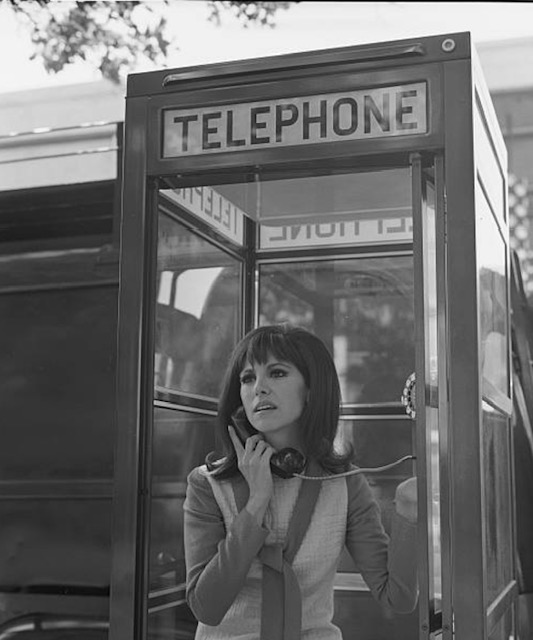
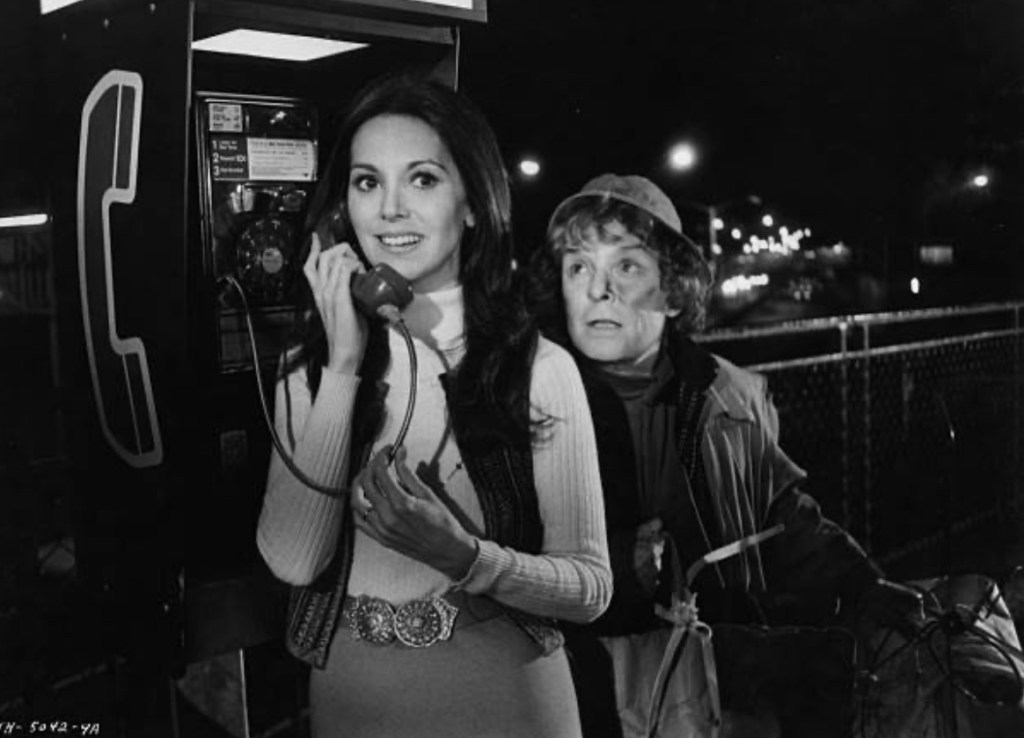
Soda machines stand side by side cigarette machines for the big spenders, and a last chance phone booth sits proudly along side some 55 gallon oil drums. Your having a good day if the soda is cold and you have enough coins to place your call. Collect calls sometimes work, if your mothers on the other end. The Herald Examiner also is interested in your quarters and displays its daily headlines proudly through a crusty yellow cover surface.

In 1965, my family bought color to keep up with those fancy silks Batman and Robin wear. A revolution on channels 2 through 13. Less content resulted in extremely High Quality T.V. We saw the same faces and actors on several of our television series and began to feel like we knew them. Who doesn’t feel they already know Gavin McCloud for example or Burt Mustin. Bruce Lee lived directly behind the studio on Van Buren street and neighborhood kids did know him. Color worked everywhere with The Dynamic Duo and The Green Hornet. Art directors and wardrobe had plenty to work with in our most colorful decades. Even That Girl produced 136 color episodes.

One afternoon I stopped with my sister to get gas for her candy apple red- GTO. My dad gave it to her since I’m still in single digits. Nancy gets out to pay while we receive a full service treatment. I fiddle with her 8 track, since I can’t drive yet, but I can rock. The band Cream begins to play White Room- at the station. I’m happy as I rock my head sideways, welcome to the 60’s – my sister interrupts points out a crowd that is looking and/or waiting to use the phone. My eyes pan like the lens of a camera, anxious women fidgeting, each dressed more colorfully that the next- block the folding glass door, it’s then who I realize who’s inside-Marlo Thomas.

It’s like a casting call and every actress wants to use this phone. They will have to wait there turn, Marlo Thomas is using it for something important. My sister and I love –That Girl. I role down the power windows and gawk.

Secretly, I had a crush on this woman before I was certain I even liked girls. There she is-as adorable as can be. She’s animated inside her booth and her mannerisms make this seem like the opening scene in an episode. We pick…That Girl!

Like the opening scenes yet this isn’t being filmed, it’s real. The only thing missing is the train speeding alongside the New York skyline, by with the irresistible jingle I grew up loving composed by Sam Denoff and Earl Hagen.

Diamonds, daisy’s, snow flakes and That Girl, chestnuts, rainbows, springtime That Girl…

This is coming from a boy who couldn’t get enough war and machine gun T.V, but spring must be in the air, this had a grab factor. It’s that girl with the umbrella, with the fancy Thursday night prime time slot.

Ms. Thomas wanted the show title to be-That Girl. The studio preferred The Marlo Thomas Show, every show at Desilu had the stars name attached, Marlo wanted a fictitious character, Ann Marie Henderson was born.

Written and lived by…Donnie Norden

Home BaseCulver City
Act alive-the owners are here”…
A Gentleman, Legend and Saint…
Marvelous…
Class attracts class!
Bravo!Two wonderful Saints
My mother Betty, “she knows a Saint when she see’s one.” What this picture can’t describe is all the hardship my mom had to overcome at child birth.
Picture this but in an old greasy gas station…
This call brings me back in time-not only is she cute, she’s funny.
Before cell phones, this was a place to meet movie stars.
Ted Bessell, or as Ann says it “Donald Hollinger” double dipped at Desilu, also appearing in several Gomer Pyle episodes.
I’m sharpening my crayons as we speak…
Thursday Night PrimetimeABC 1966-1971
Carl Reiner, seated.
I found this call sheet inside a barrack at Stalag 13 of all places.