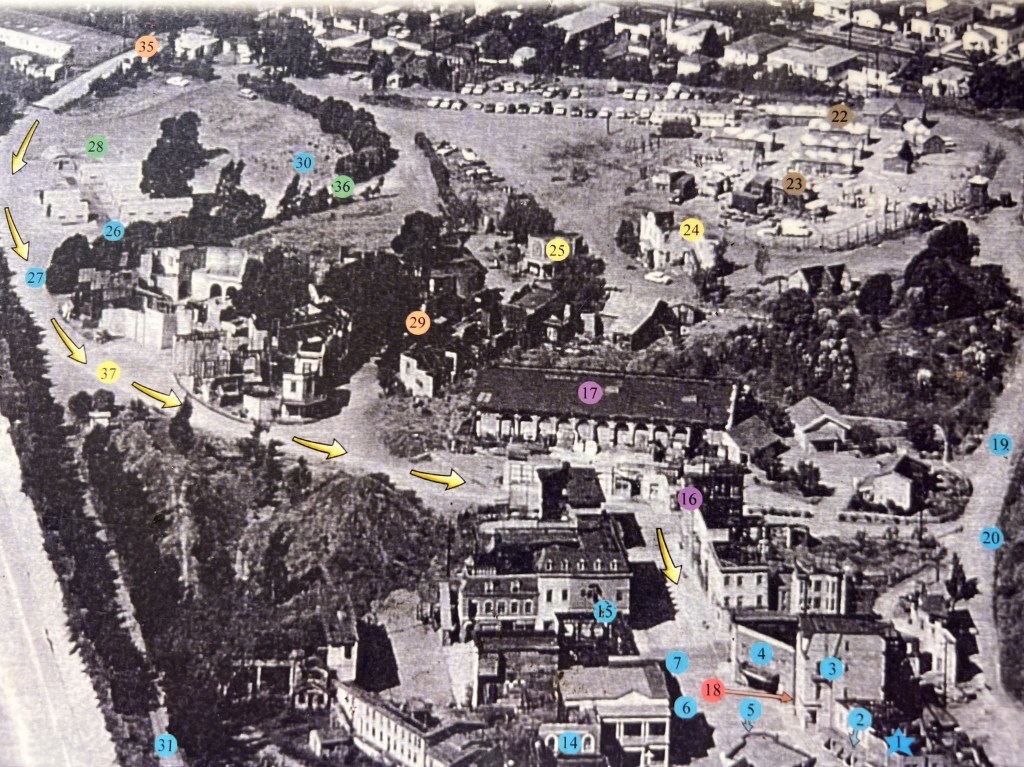
Psycho House-“I’ll Leave a Light on For You.”

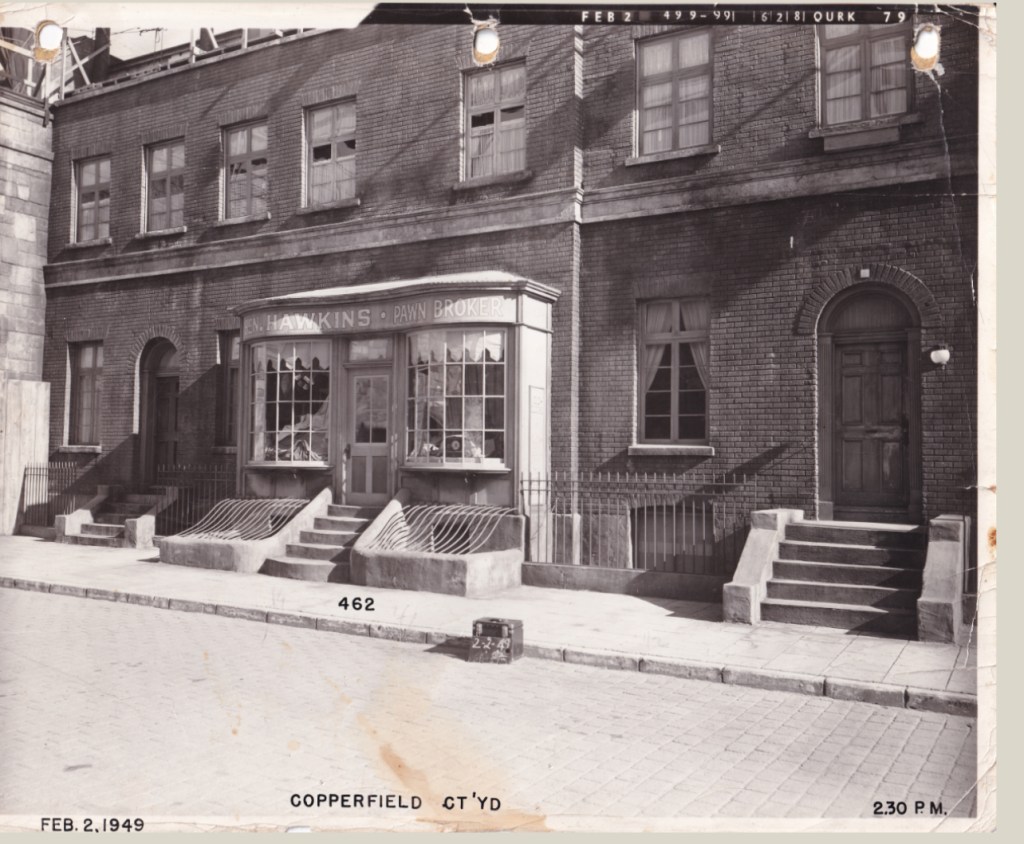
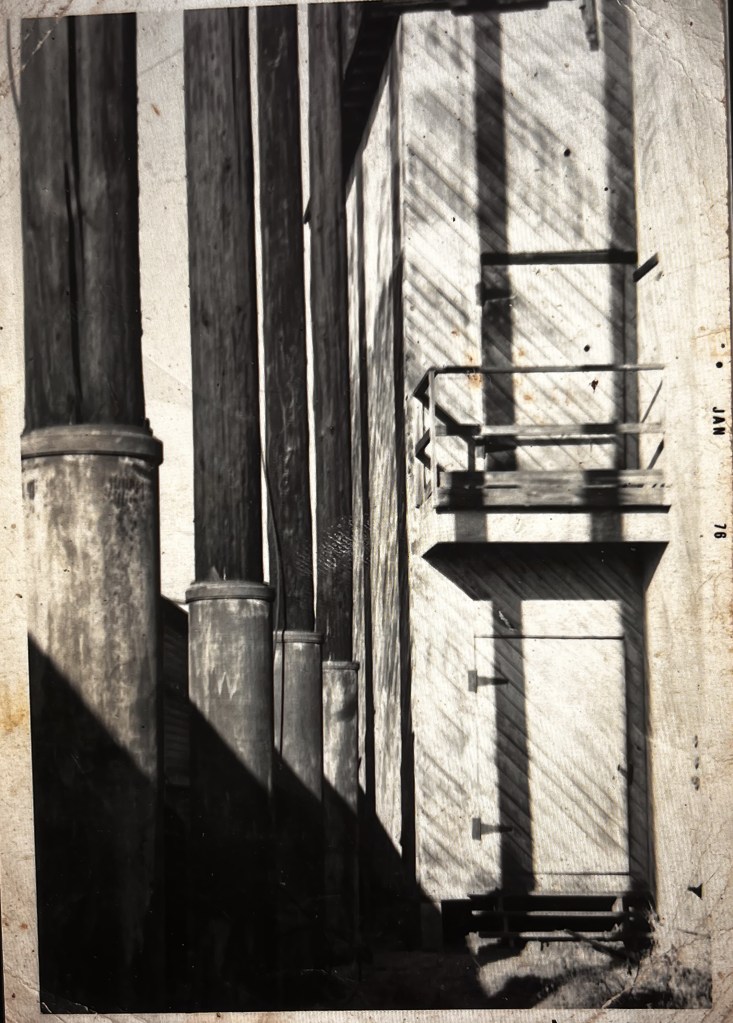
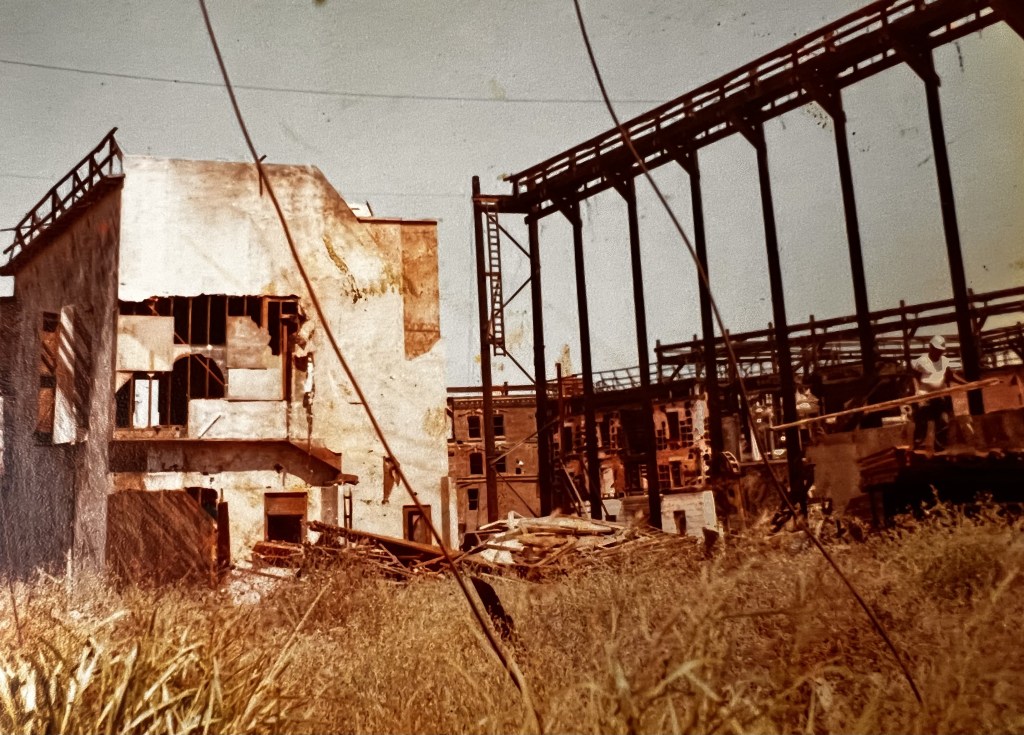
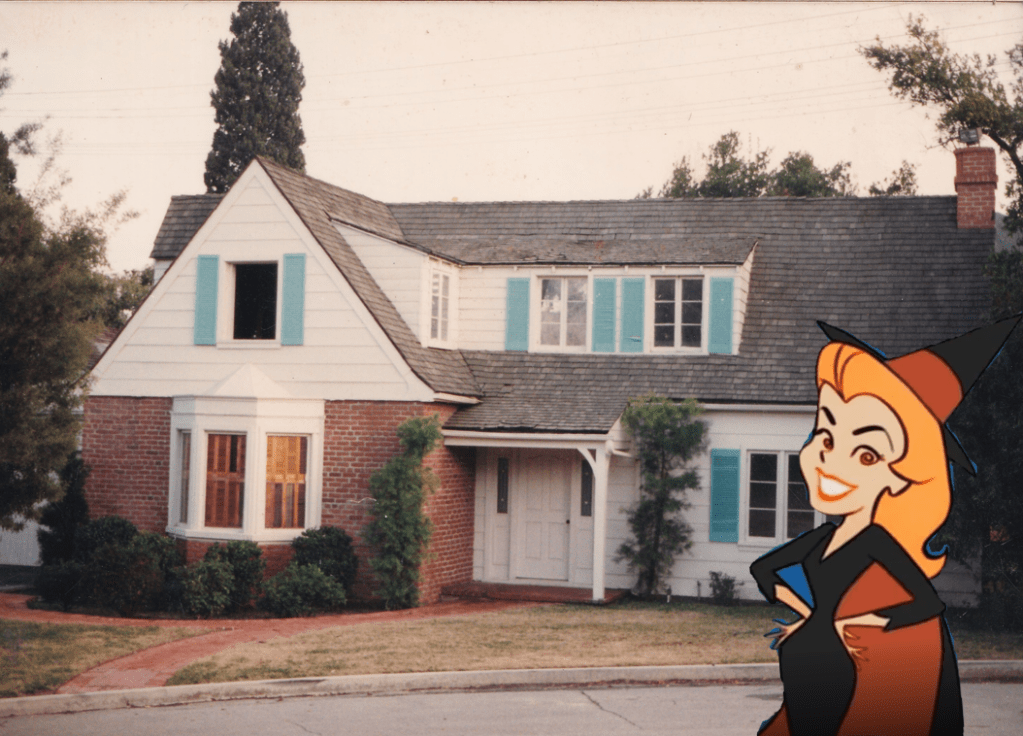
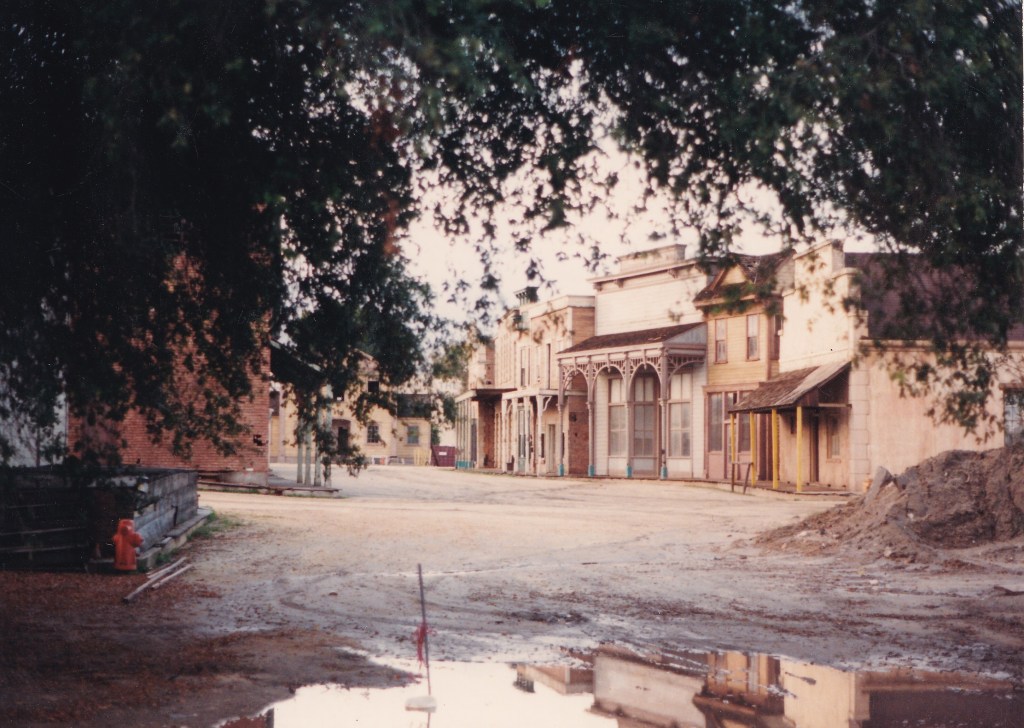
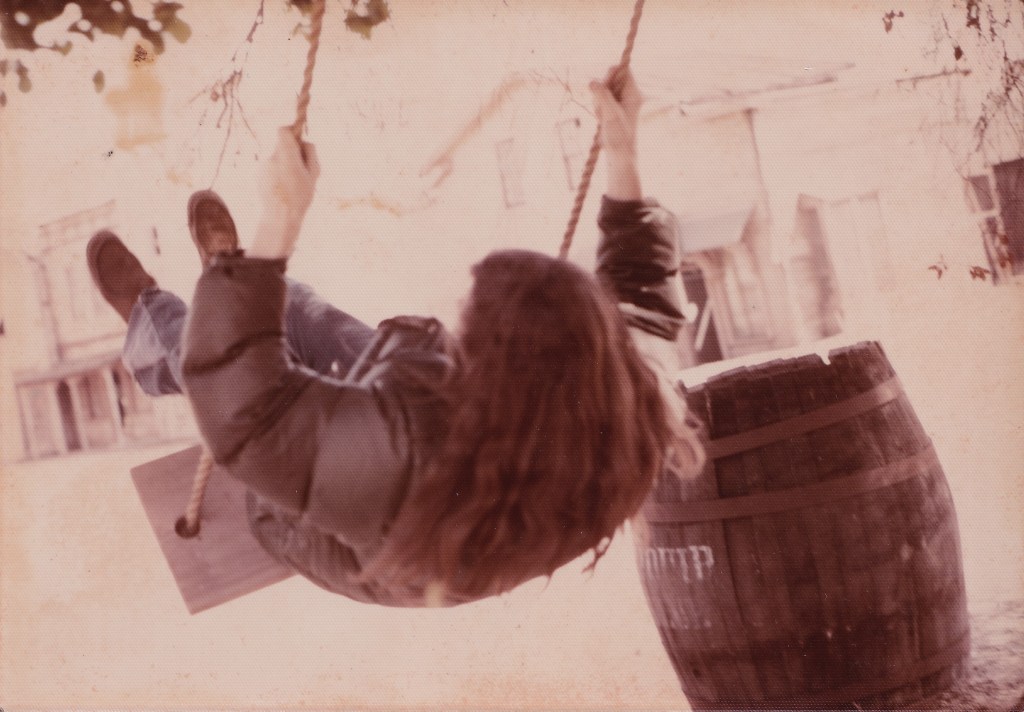
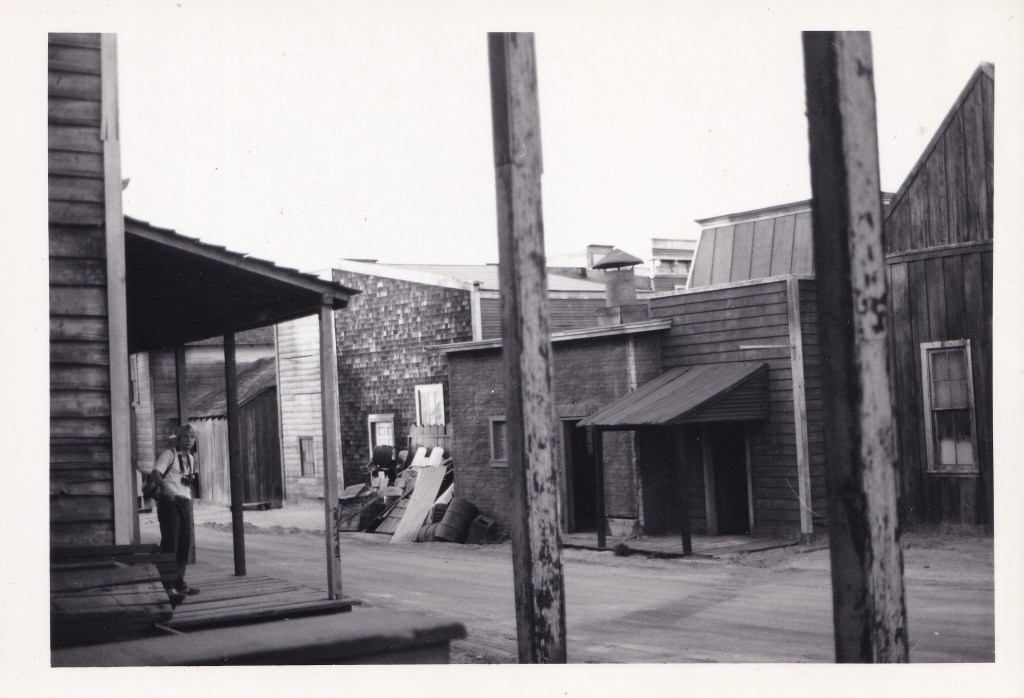
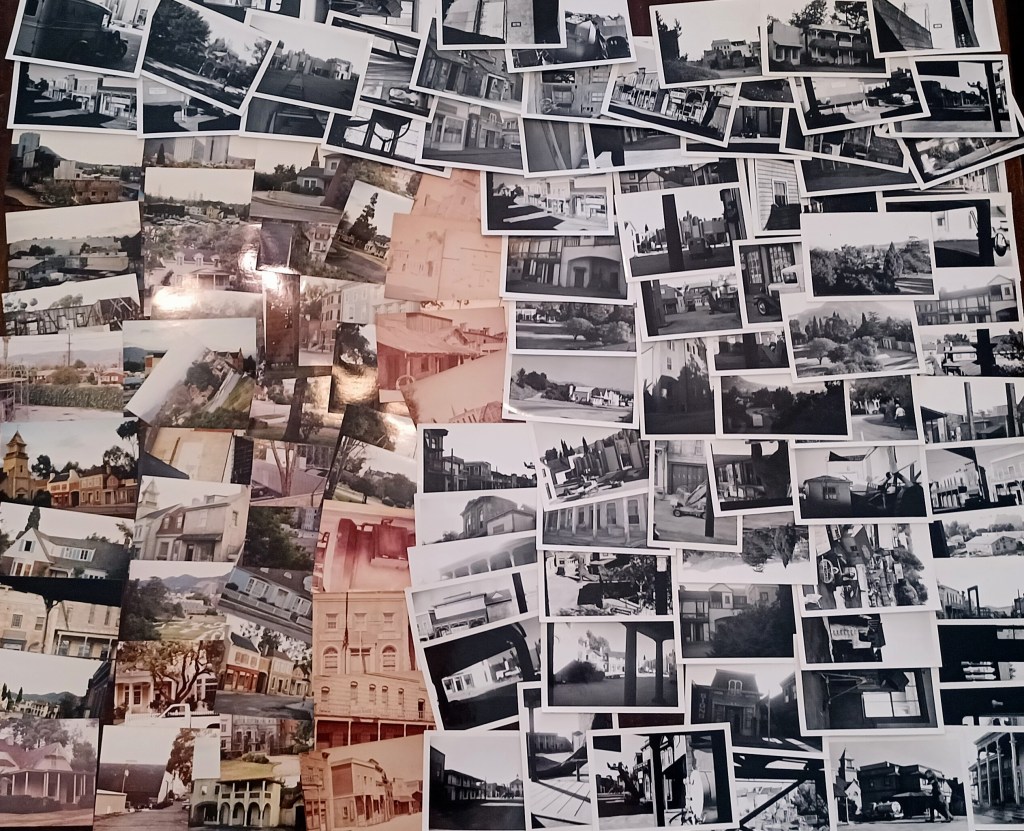
Absolutely Ghoulish…I’ve spent many a night in this normally pitch dark area of the backlot. Full moons rising above this house are priceless…What you may not know is this home sat in three different locations. Follow me to each…

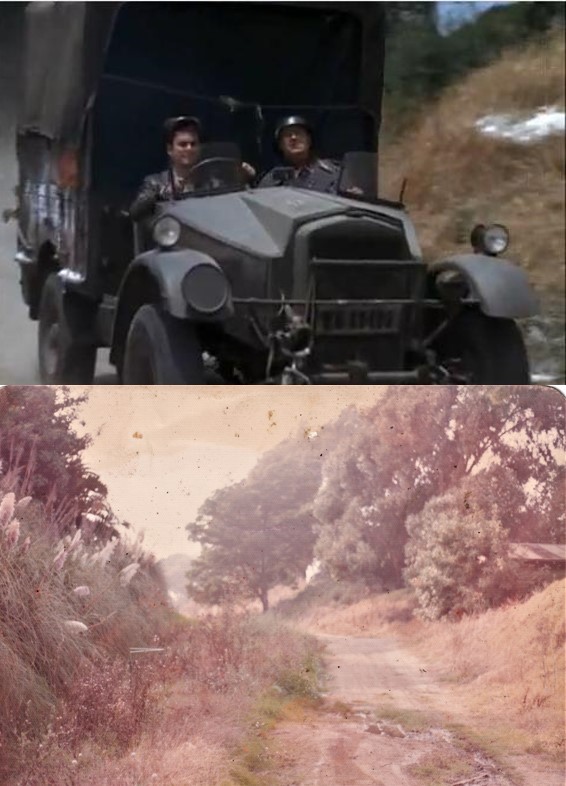
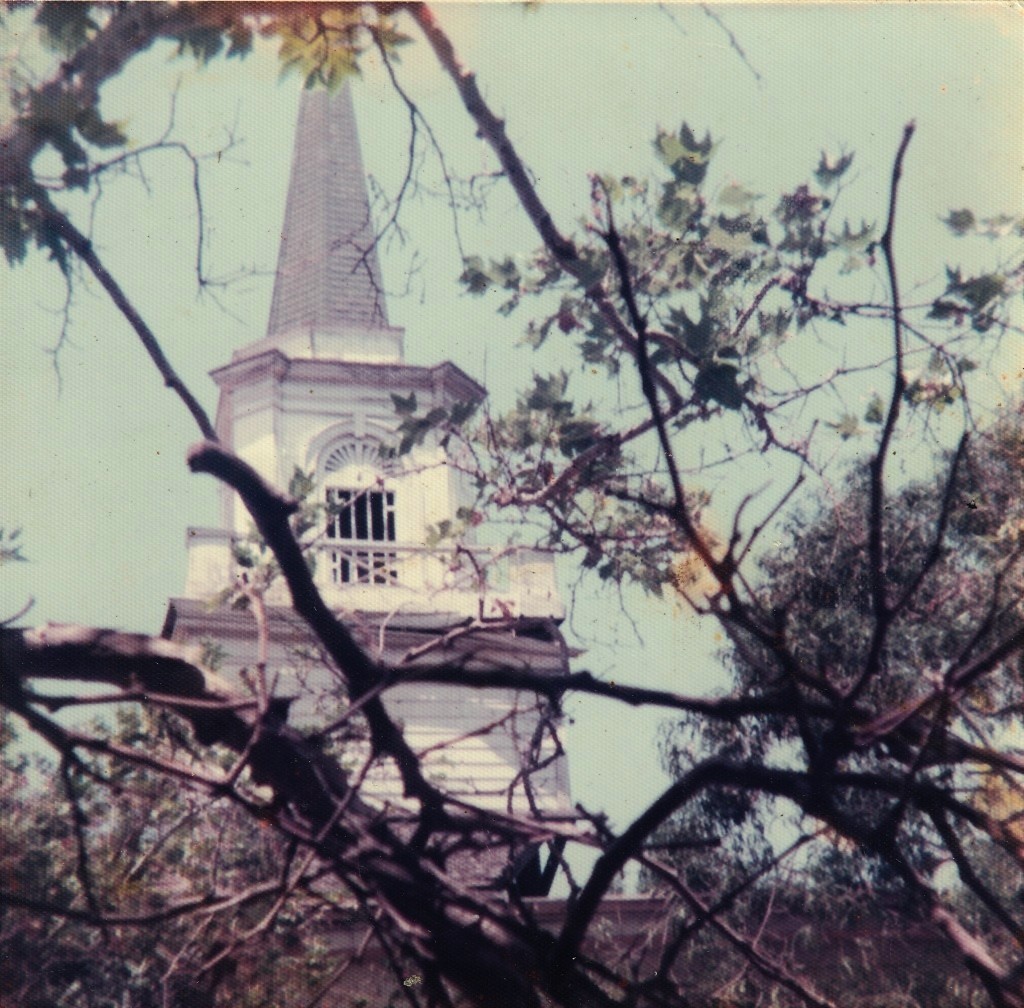
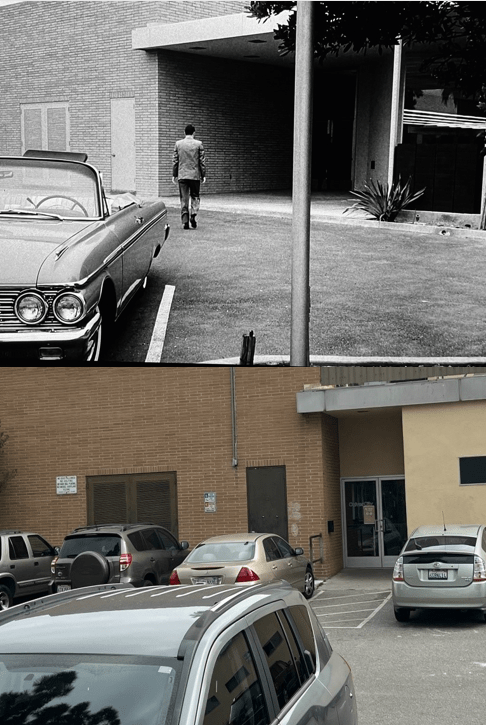
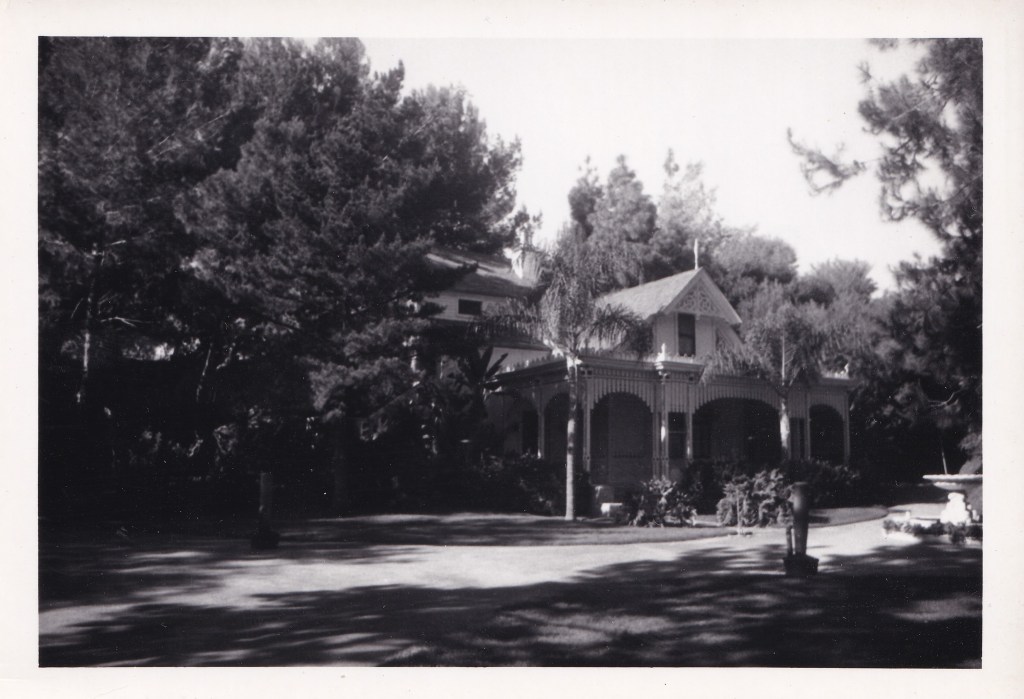
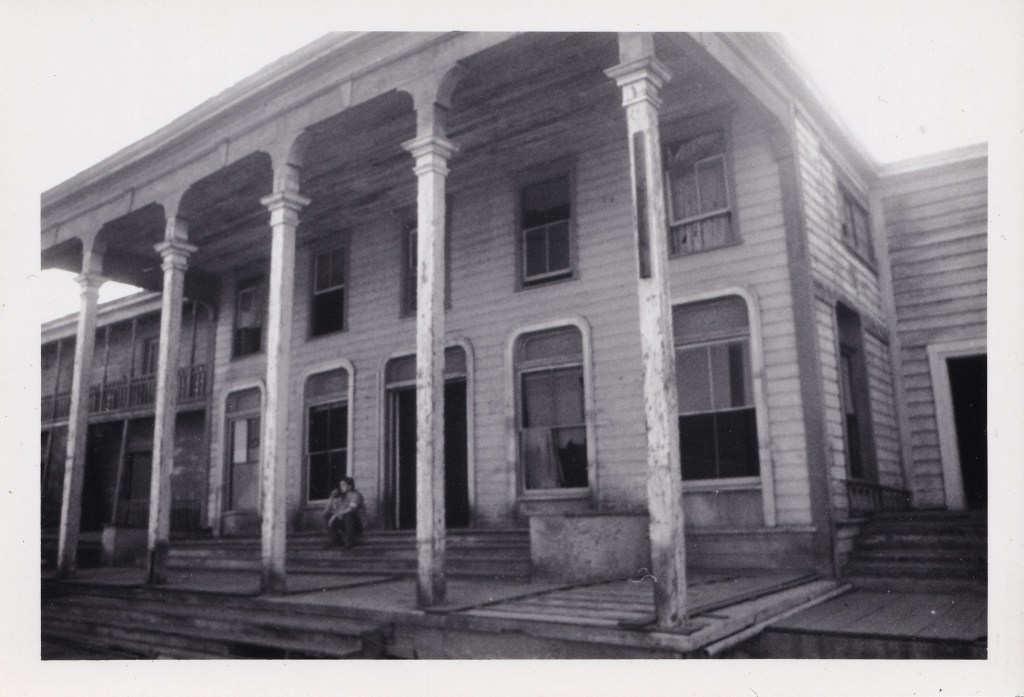
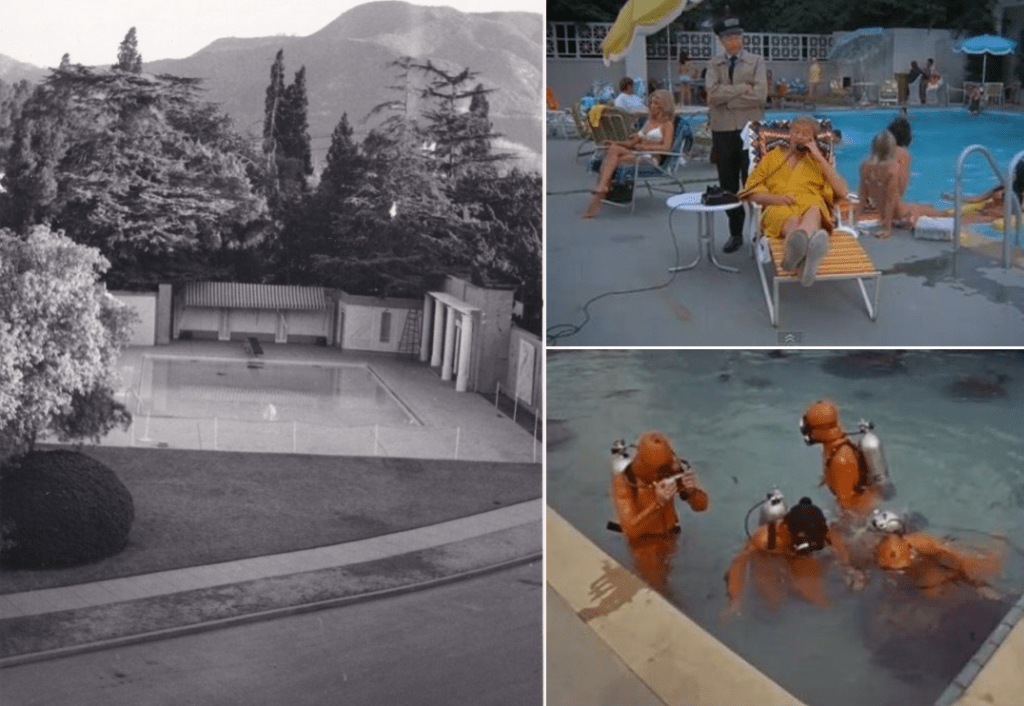
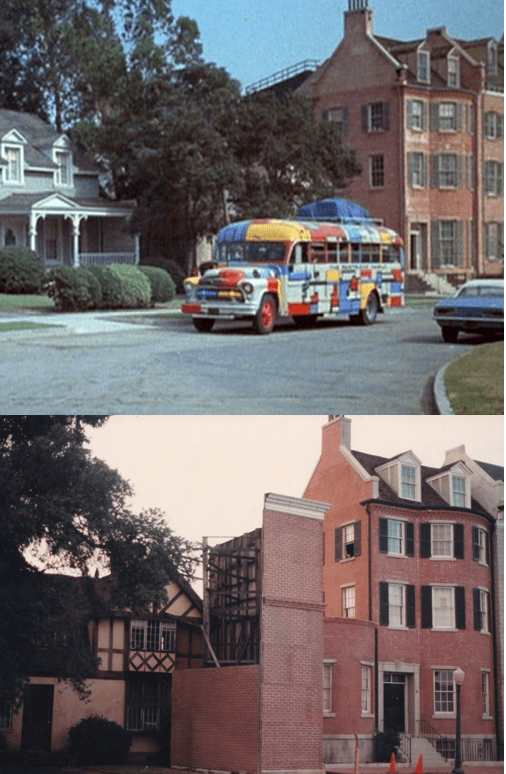
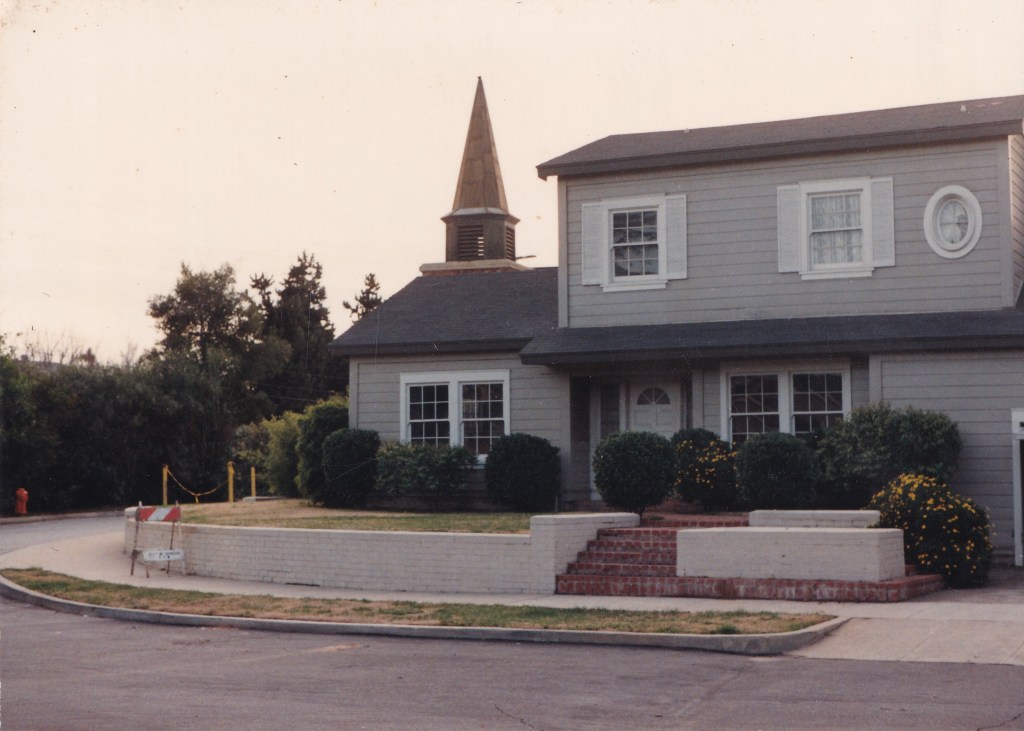
Compare to color picture…

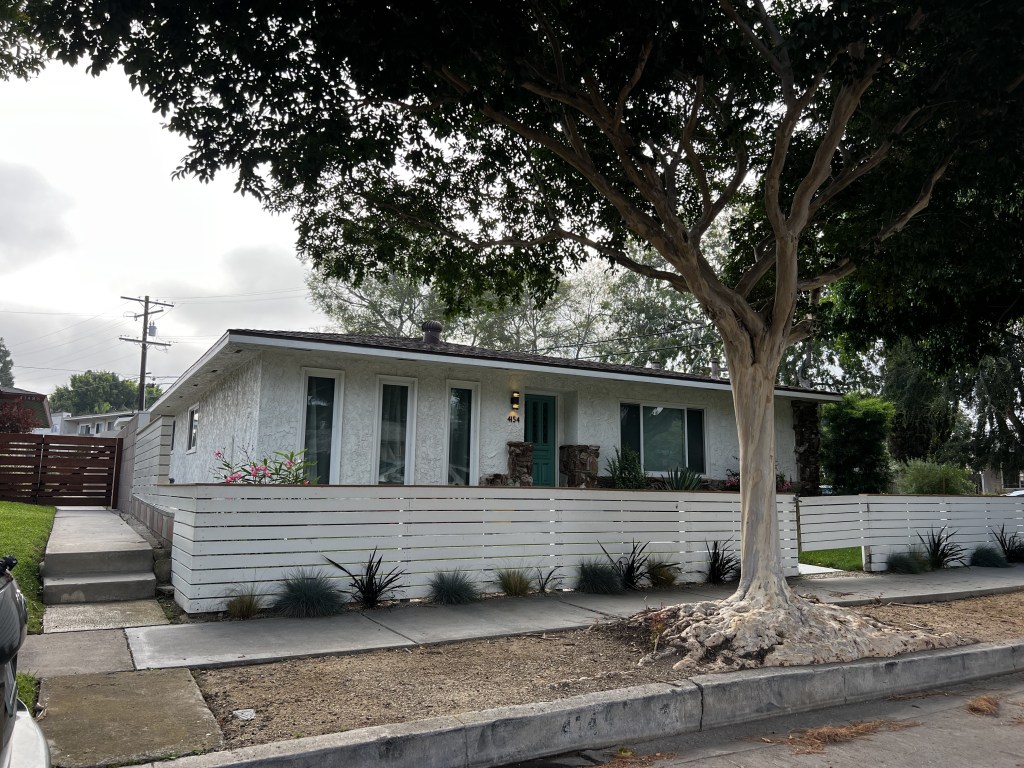
My first ever Psycho House picture on my first camera sneak in. A dead match with this old B&W. Another historic movie set conquered. Little did I know I would get a full access pass for decades to come when I took this photo.

Everyone’s favorite Haunted House.

The Grand Master at his most famous set.

As a kid I built a model of this house. I love Haunted Houses. I visited The Munsters house that same day I visited Hitchcock’s.

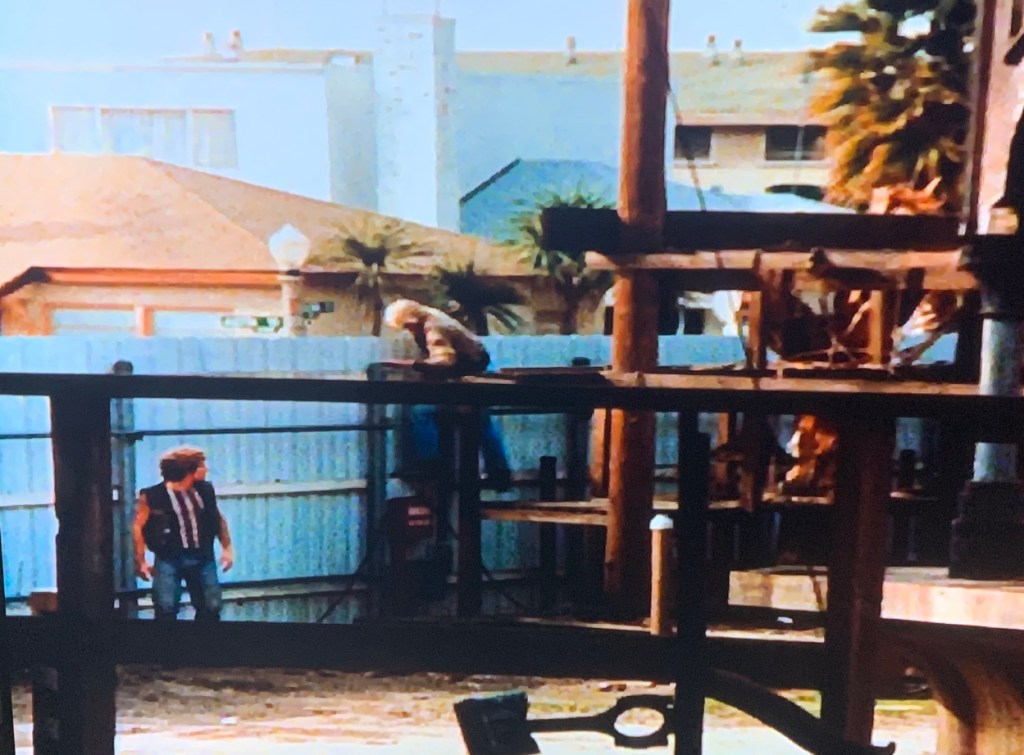
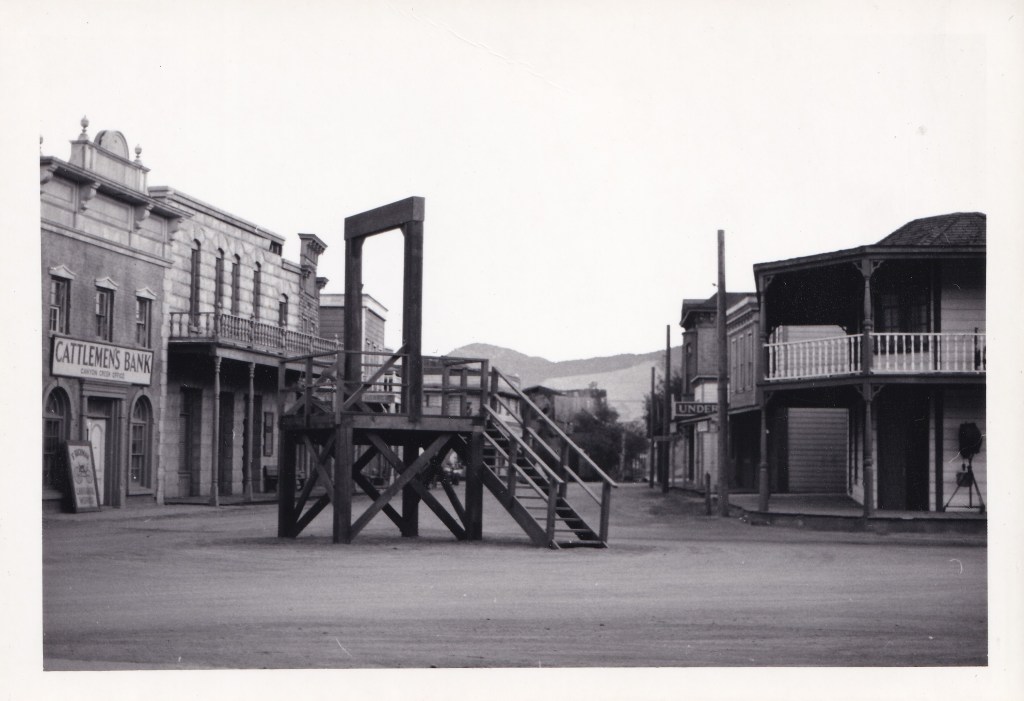
Denver Street is located in proximity to this isolated but already iconic Hitchcock set. Original location just above Singapore Lake. Notice how decrepit and aged the interior of this famous house is, it required a lot of rebuilding to handle all the shuffling it would encounter.

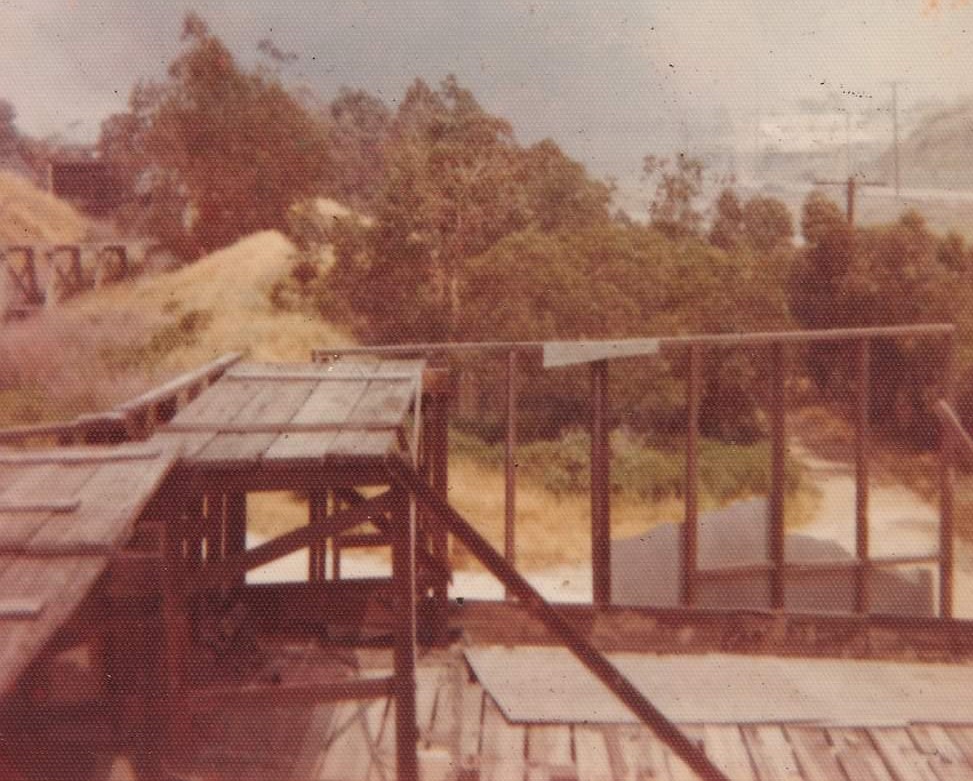
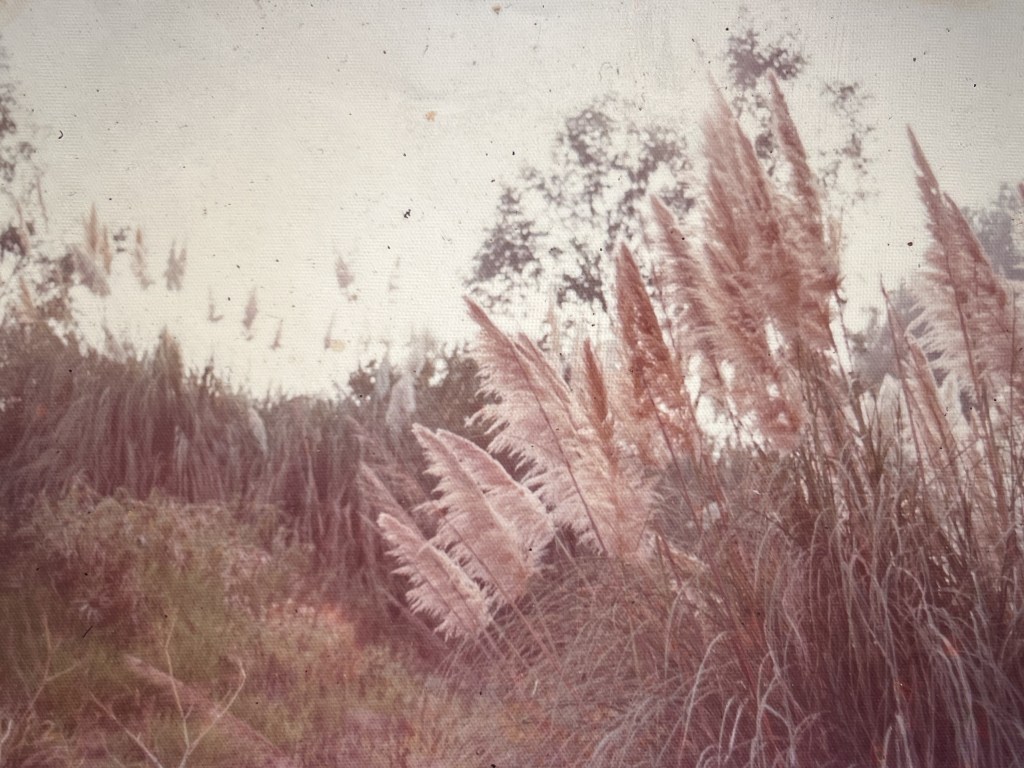
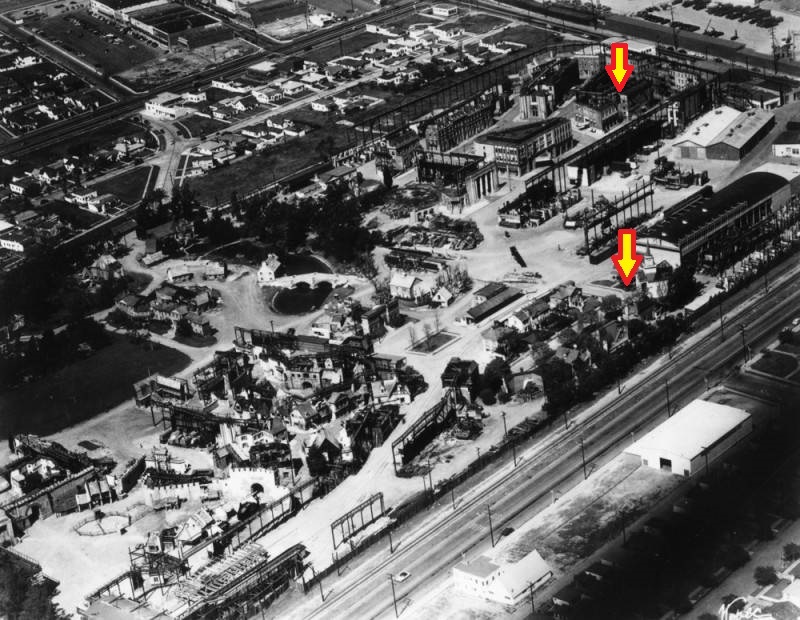
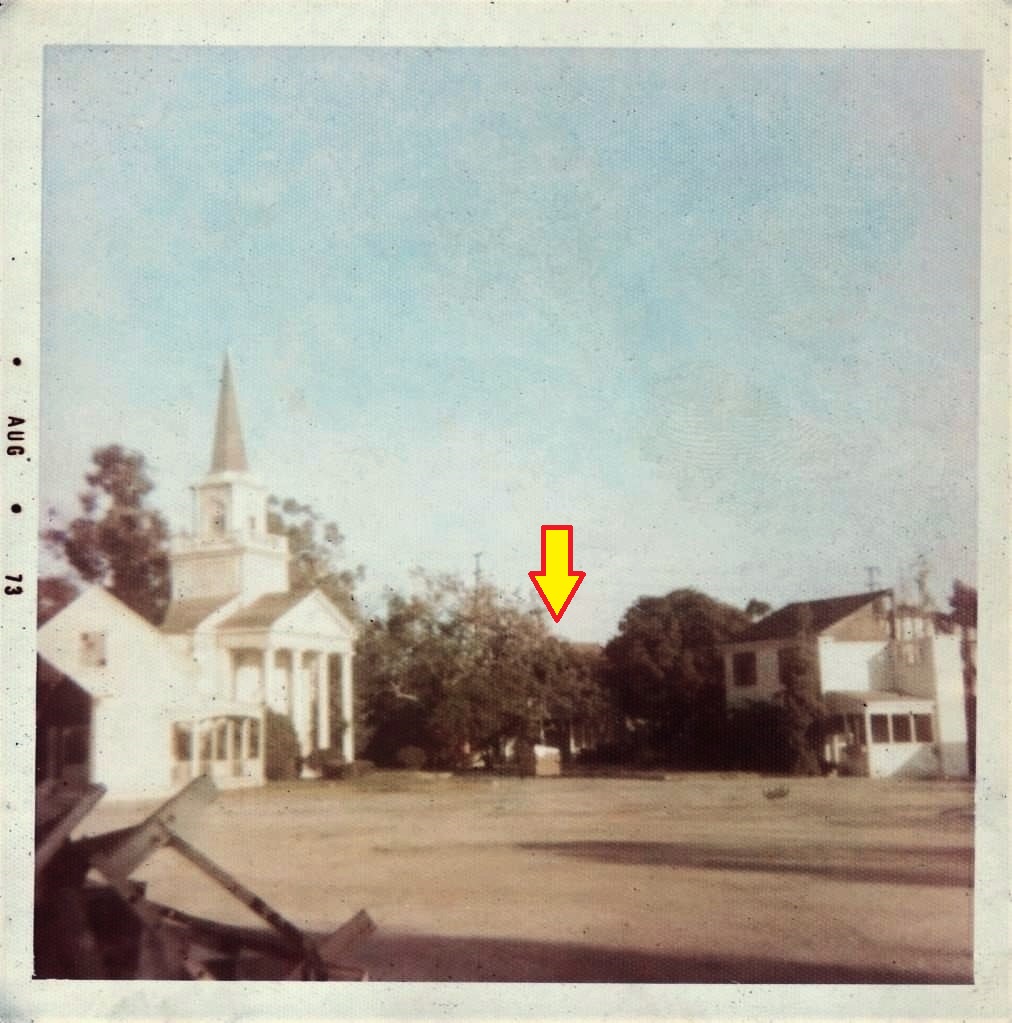
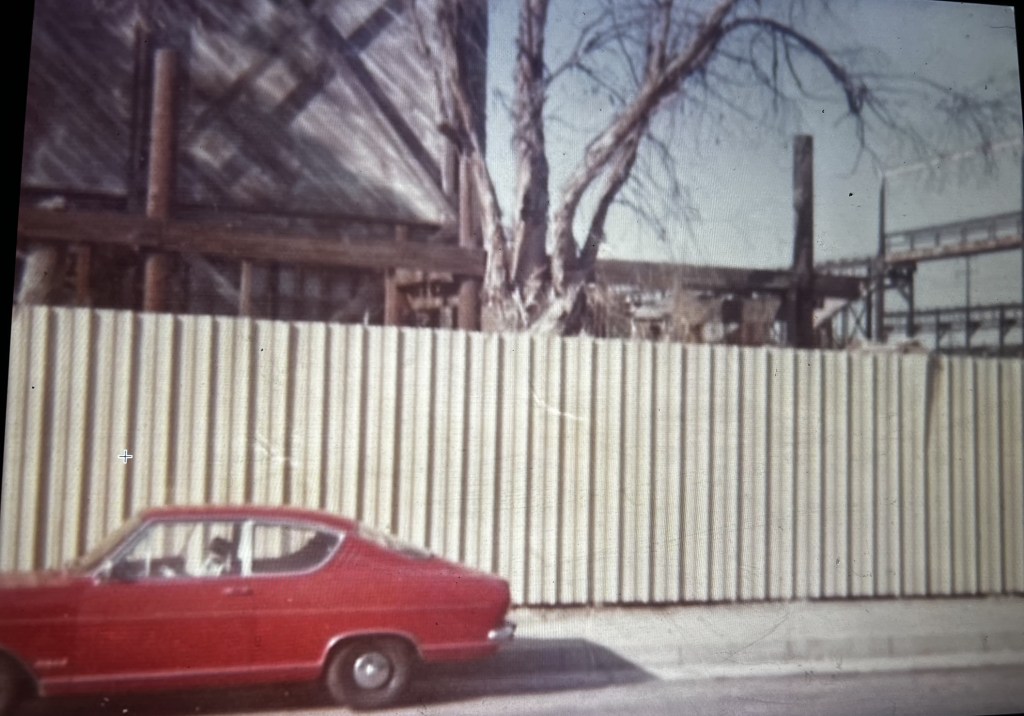
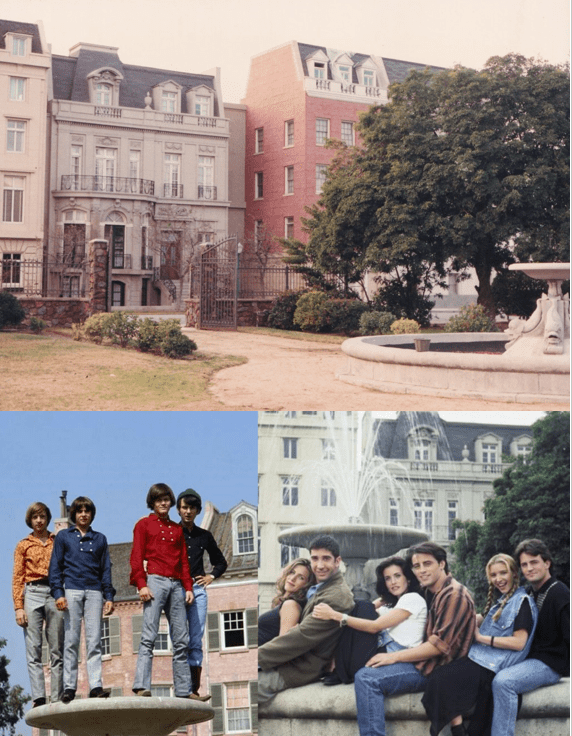
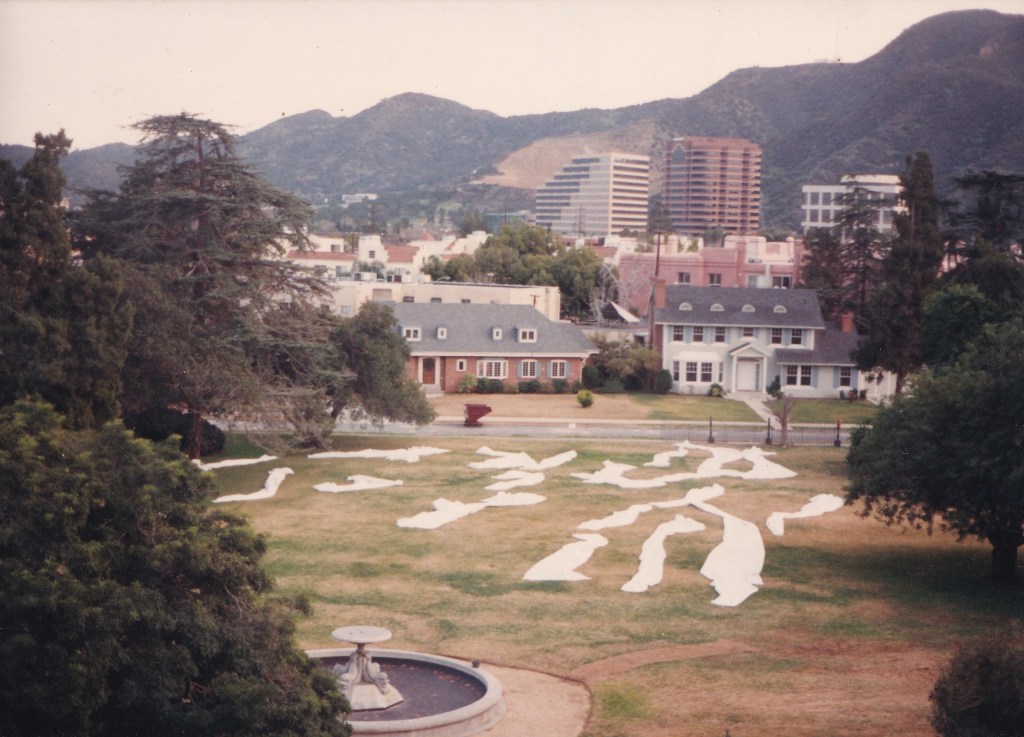
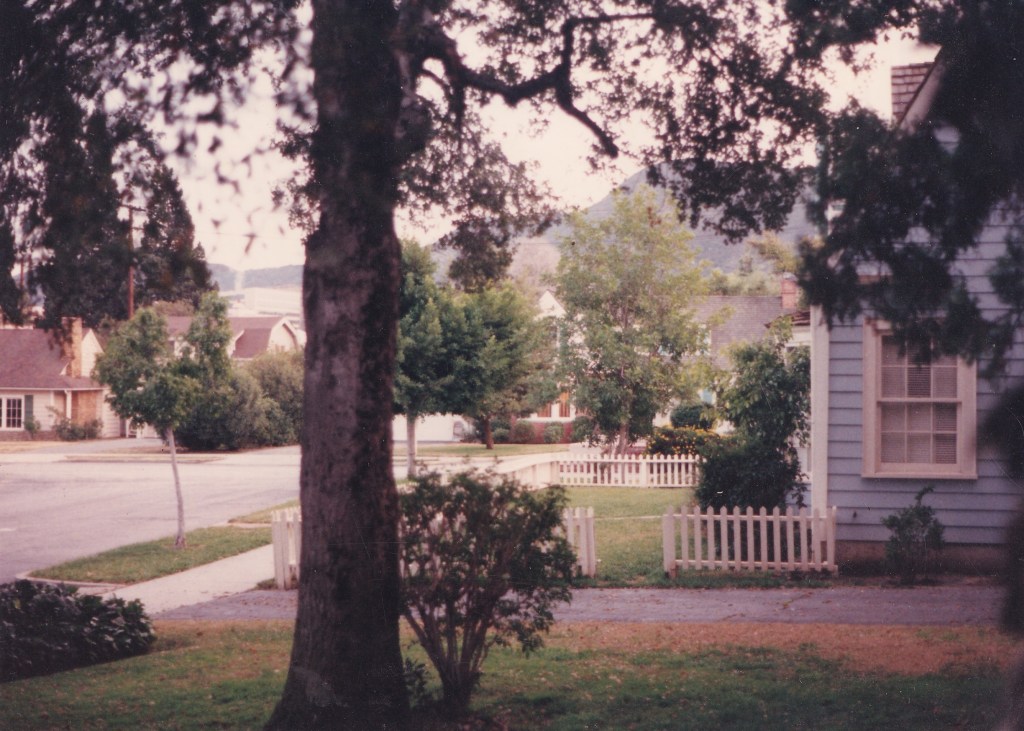
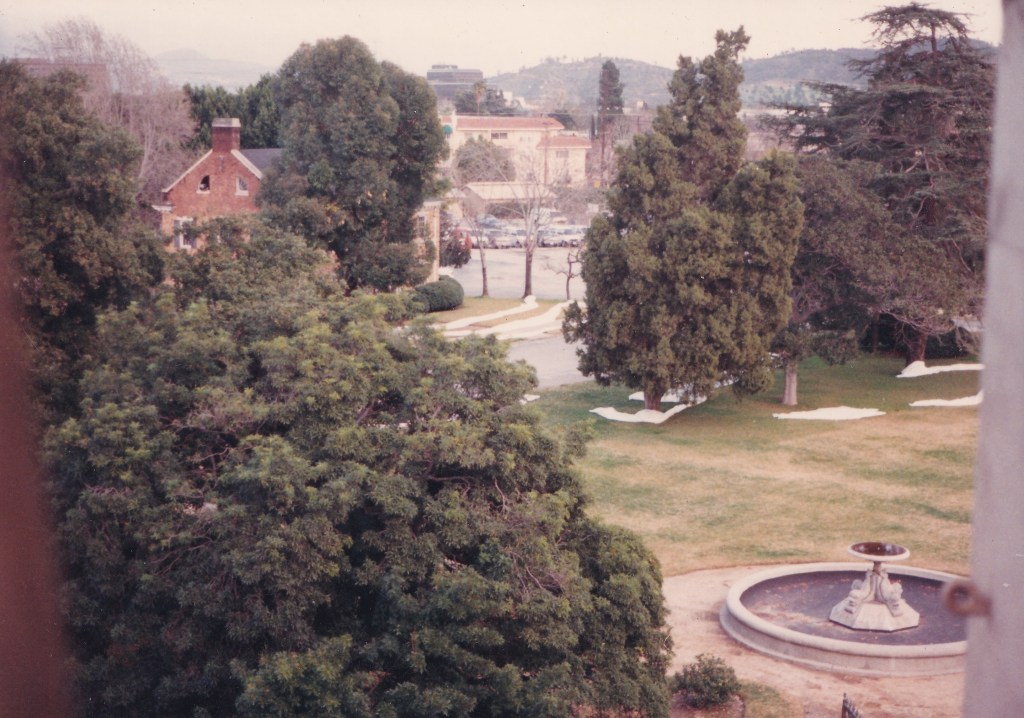
Location number two for the Psycho House. Few remember this location. Distant, left hand side of picture. Foreground is the future and final parcel of land this house will find itself at.

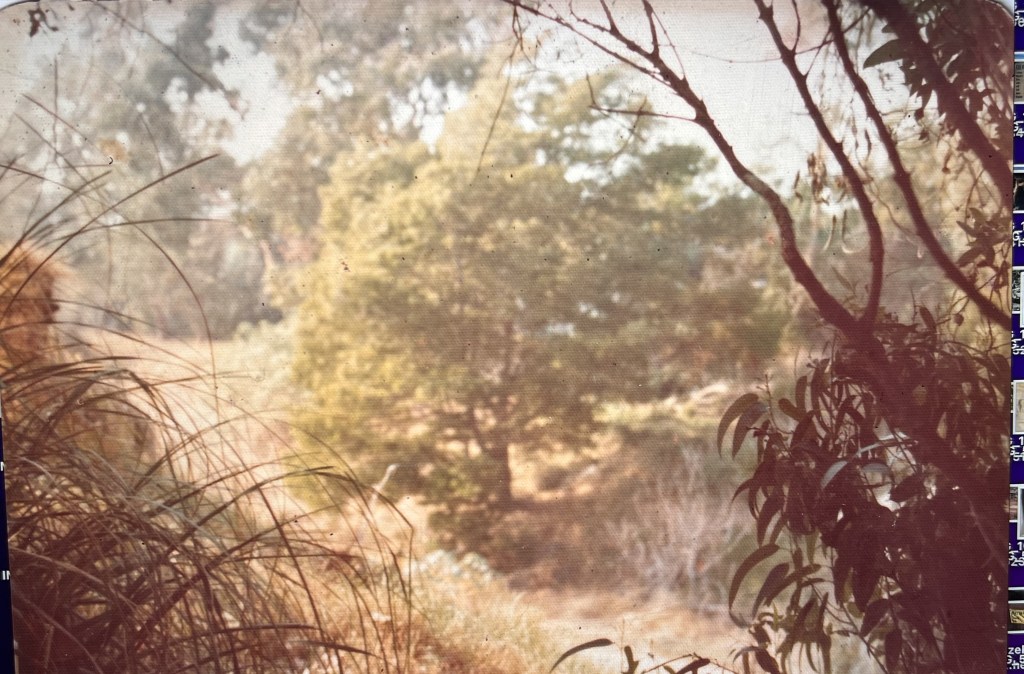
A side angle of location two. The Ice Tunnel is just below the change in elevation. This was a “picture stop” on a paved road on tram route before proceeding into the spinning tunnel of ice. These are very special pictures no one else has, and I was trespassing at this time. Few remember this temporary one year location.

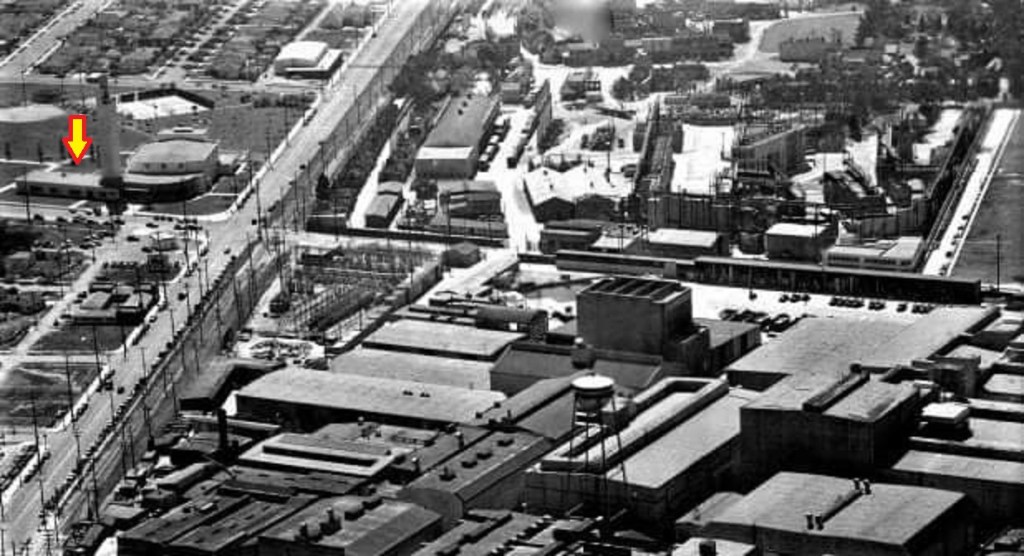
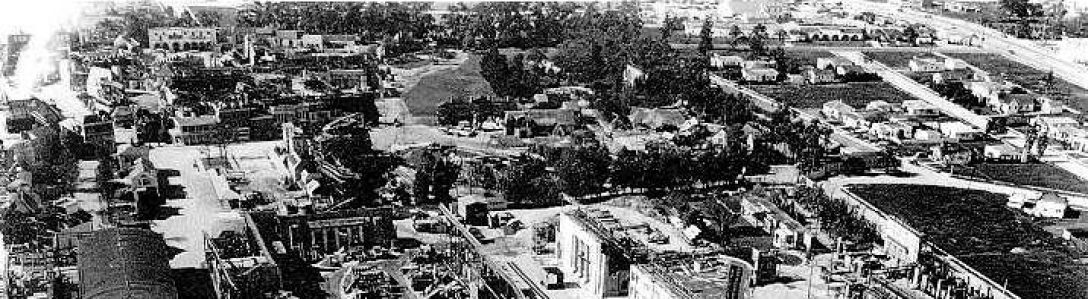
This picture would turn into Universal Studios. Taken from the Hollywood Hills, archives presented me this grand picture. No Freeway, no Barham off ramp, before the famous Hollywoodland sign. Just pastures and lots of farming. Today, this is one of the busiest intersections in the world. Today, the 101 Freeway, Barham Blvd, Cahuenga Blvd intersect the Southwest corner of Universal Studios.

A modernized for today’s touristsCityWalk towers in background. Log Cabin used in Shooter” starring Mark Wahlberg On a deserted “dead end” road” nearby where I I took this picture from, I encountered a “Bob Cat” while I was running power from a shooting station panel.” I Saw him as he saw me-we both did double takes” as he came down from the hillside. He then kept moving down into the lot. Had I been attacked in this area, no one would find me right away. Film companies sometimes use this desolate dirt road area.

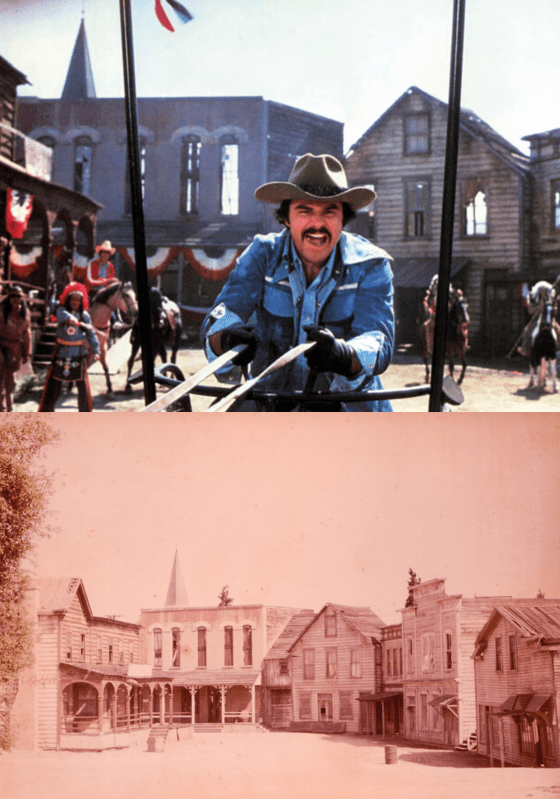
Location two, third and final photo. The Hollywood Hills dominate the background. The 101 Freeway winds through the Cahuenga Pass in-between this house and those hills. Universal looks down on the freeway. This is the backend of the studio, going forward a long ways, Crystal Skull, Indiana Jones built the Ant Hill set way back in this area. Our hero had his hands full being chased by soldiers amongst these massive dirt mounds created by ants you could not step on. Brand new Super Trams in foreground, replacing the Pink and White Glamour Trams. 21 new 747 Jumbo size trams would transform the tour. 1981 or 82, time of these pictures. I was an “Uninvited Guest” at that time.

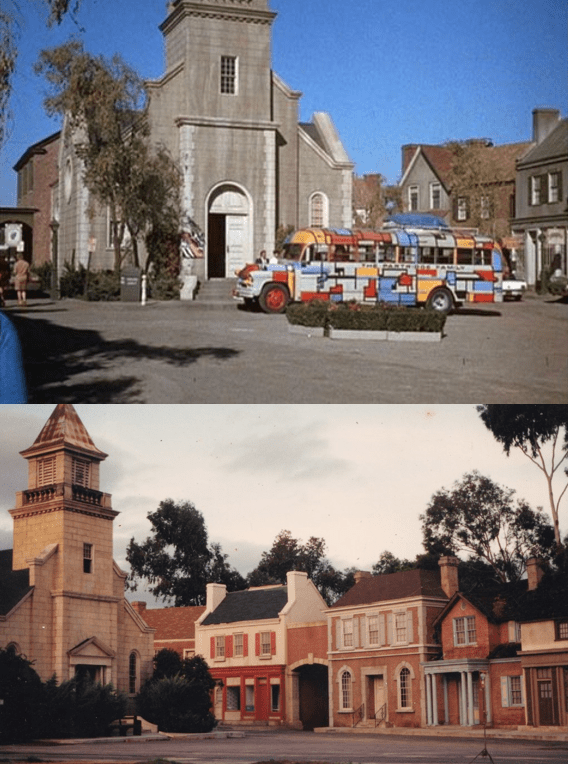
Third and final location, as it sits today. Bates Motel, foreground. The War of the Worlds 747 Crash now sits behind this iconic set. All get used in the world famous “Halloween Haunts” in the month of October.

I have a feeling we’re being watched…

Let’s go inside, shall we? Front door-both sides.

Inside, some of this house still remains, but much need repairs replaced old, rotted wood. The original location had the backside exposed to weather. It aged gracefully, never expecting to move. Welcome to Hollywood, move it did. She still remains today as Universal’s defining set. It was cross braced for the move up the hill, then rebuilt when it arrived in the final location. Since trams would drive under it, it had to be fortified. It now has four walls, a roof, and a locked front door.

Look what’s behind the curtain…A more recent Mother. The last one was kidnapped! Mother is attached to a motor to rock her chair, back and forth.

I was right, Mother had her eyes on us… I had to twist my daughter Christy’s arm to get this photo upstairs where few go.

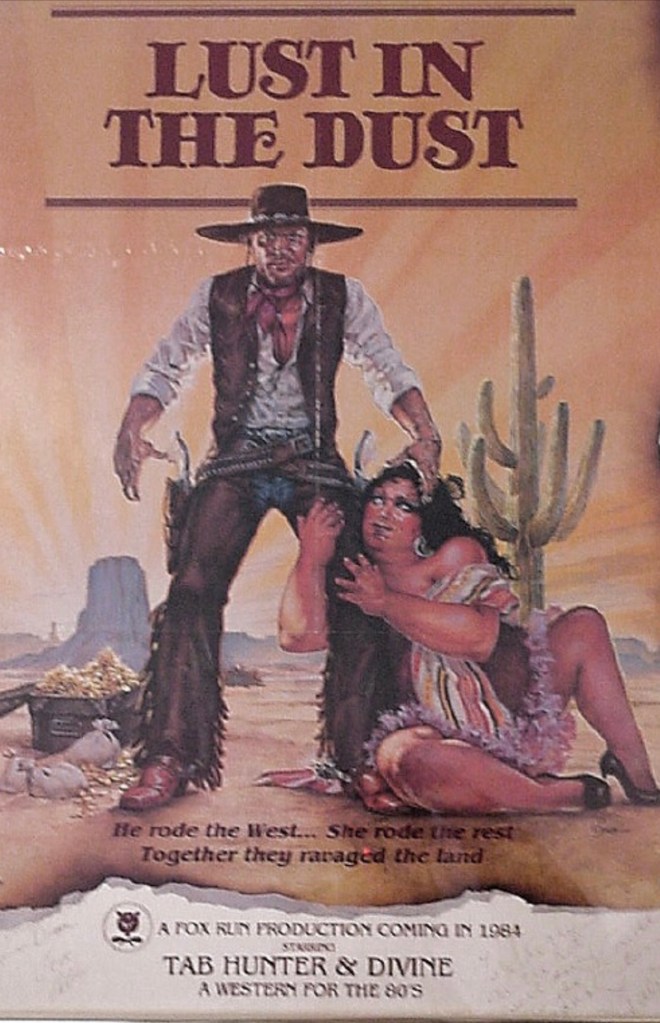
A low budget film that features this iconic house…

This set majestically reawakens in each location it is set down upon. Like a cat with nine lives, it will no doubt remain to send a chill down the spine of generations to come. I’ve spent many a full moon with this set. Coyotes roam free up here and howl in the moonlight.

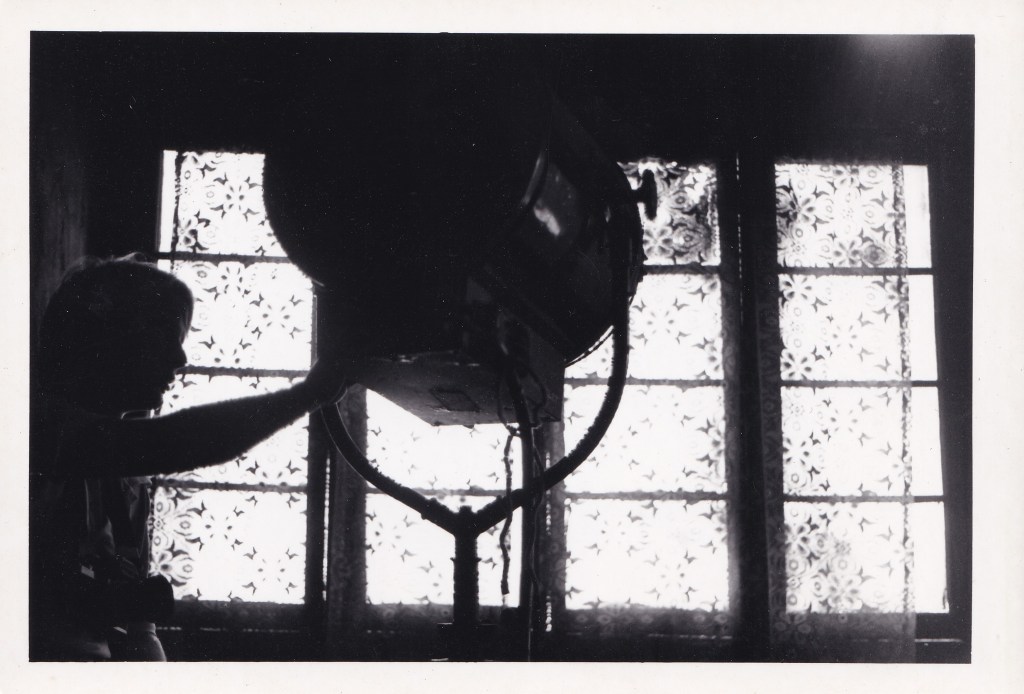
Under a full moon, we begin…

No set in Hollywood History presents itself quite as haunted as this. Perhaps, because it sat isolated for most of its history, on a hilltop, surrounded by steep canyons and covered, thick brush hillsides. At night, it sits off the beaten trail. All angles look upward, making it more imposing. A large pack of coyotes roam this area from dusk till dawn. Many tram guests have spotted these predators, who attempt to capture the deer that live here. A herd that survives all things Universal can throw at them as they graze the grasslands that surround the nearby stream and Falls Lake.

This is Topanga Canyon studio style, on maps it’s known as The Wilderness Area. A Hitchcock inspired backdrop haunts the landscape in all directions, summoning a keyed up feeling from within. A fight or flight instinct lays in wait. I have been told stories of studio visitors becoming stranded up here, getting stuck on dangerous dead end roads, while Mother keeps tabs from her chair.

Sound effects include;

Universal is 24/7 and the pre dawn hours are hunting hours. Moonlight is the only light up here. Owls “hoot’ in satisfied tones. Ancestors of generations worth of these silent, feathered predators. Bullfrogs have deep loud Jug -o-rum calls. Like a cow mooing, that’s why it has a “Bull” prefix. They provide the deep base sounds for this wilderness band that performs in the nearby ponds and streams.

Crickets dominate the sound effects as if they were The Bee Gees, providing their own Night Fever soundtrack for the creatures living in this wilderness. Bats thrive here, once your eyes acclimate to the darkness, a strange Moondance takes place around this home, with little bat whines hardly decipherable to the human ear. Coyotes howl like a chorus line when involved in a hunt, they live here, we just work here. This area takes on a identity that gets erased as the sun comes up.

Only to reappear at night, like a Las Vegas show. Speaking of bunny rabbits, they are everywhere-by the hundreds, before the sun wakes up this extensive canyon for human occupation. Then the sounds of equipment, particularly trams, restart the industrial revolution. But that’s not allowed until 7am, so not to wake the neighbors who live above all this craziness.

Sometimes security does set watch up here. All night, sit in a chair, exposed to the elements, just you and…them. When I spot a new guard, I know I have a captive audience. I tell them what to expect up here, besides sometimes brutally cold weather. I start, “Didn’t the Watch Commander tell you the dangers up here?” I continue to the stunned patrol person, “It’s the most haunted area on the backlot, just something to think about!” -“You could become – the hunted. I stop there, not wanting them to quit.

I give them a powerful work light or two, show them the whereabouts of a rolling phone…just in case, then wish them good luck on their new job.

The fun never stops up here, it only rests a bit…

Written and Lived by…Donnie Norden

Inside the Psycho House: A Nighttime Adventure

Venturing into the iconic Psycho House under the enchanting glow of the full moon is an experience like no other. As the studio and its surrounding wildlife come alive, a sense of trepidation and excitement intertwine, capturing the essence of a Hitchcock-inspired adventure.

The imposing silhouette of the Psycho House looms against the moonlit sky, exuding an aura of mystery and intrigue. Stepping over the threshold, the atmosphere is thick with history and untold stories, amplified by the nocturnal symphony of the surrounding wildlife.

As we traverse the interior, the moonlight dances through the drapes and windows, casting eerie shadows that seem to come alive. The presence of Mother is palpable, her rocking chair creaking in the stillness of the night. Despite the need for repairs to replace old, rotted wood, the house retains its haunting allure, a testament to its enduring legacy in Hollywood.

Outside, the sounds of the wilderness intertwine with the studio’s bustling energy, creating a dichotomy that is both exhilarating and unsettling. The howls of coyotes and the hooting of owls form a haunting soundtrack, while the distant hum of the studio’s activity adds a surreal layer to the experience.

As the moonlight bathes the surroundings in an ethereal glow, the Psycho House stands as a testament to the enduring power of storytelling. It is a place where the lines between reality and fiction blur, where the magic of cinema converges with the mysteries of the night.

Join me on this unforgettable journey to the heart of cinematic history, where the Psycho House reigns supreme under the watchful gaze of the moon.

Written by Donnie Norden

The World Famous Phantom of the Opera Stage

The Opera House remained forever after, built into the stage itself. No other stage on any studio lot has ever been named for one particular picture.

Close up of details inside the stage. This set aged gracefully.

The west side of the- Paris Opera House…Yours truly took all these color photos.

The opera set balconies only take up a section of this massive, elegant stage. This atmospheric location mesmerized the creative minds of film makers and was a most popular destination for filming. If any stage is haunted...it’s this one.

The opposite side “east” on a different day. Movie Caterers use this stage to feed the crew on large shows when it doesn’t have sets in the way. Workers know to go upstairs into the balconies to catch a “cat nap.” Some balconies have hammocks strung inside.”

Center of Opera House. Two massive “elephant doors” are located just behind this Grand entrance. The engineering of these doors was simple and effective for eternity. First you pull a hanging chain that raises it off the floor. 2 inches is all you need, these doors are heavy. Then a wheel the size of one found on an ocean liner is turned for travel, opening the door. There are 2 sets of these and this is how shows “load -in.”

Behind this curved entranceway are 2 large square ‘Elephant Doors.” Like a funnel , this opera set doorway restricts what can load in through here. The outer doors being much bigger. Another set of these “Elephant Doors” sits unobstructed on Southside of stage and is where “big stuff” enters inside.

West side of Opera House

The Real- Paris Opera House this was copied after.

Horror movies is where Universal sets itself apart from other studios. The Studio where Monsters roam free.

“She’ll like me after she gets to know me.” Ghoulish fun never sleeps…

Make-up time-Chaney‘s horrific self-applied make-up was kept a studio secret until the film’s premiere. Rumor had it that Christine’s (Mary Philbin) reaction to the unmasked Phantom was real-she had no idea what he would look like until the moment he was unmasked.

This stage usually ends up with Blockbuster films. Here is a set from The Muppets.

Hardly confused with Monsters, these Muppets had a certain je ne sais quoi that made them very likable. Jim Henson’s puppets were a sensation and became quite the ticket. This Backdoor Stage set was built on Stage 28, by the real backdoor of the actual Stage. Parts of Hitchcock’s Psycho was done on this stage as were scenes from the original Dracula.

Building index…Dec, 1925. A mere 230 acres would expand to 470 acres.This was official Studio map dating back to the making of this film.

Big stage, top of photoThe Phantom Stage. Picture taken in 1920’s.

An entrance into the catacombs below the stage is located here. A metal stairway just out of view walks you up into the stage floor. Just behind this tram is a set of tours that take you to the catacombs below the stage floor. Frighteningly haunted, like the skulls under Paris. It’s proximity to tours that sealed its fate. Before Transformers was put in, the animation next door was “Backdraft.”

A Stage built with a plan…

Finished product-A Masterpiece!

Phantom Stage 28-left of “Transformers Stage”. formerly “Backdraft.’

The Phantom will never completely die and is a fixture at the tour to greet tourists.

Building 3251 is Stage 28, left photo. The right is a bit tricky. #45 is, I believe, Stage 28. Stage numbers change over years and the entire studio has recently been renumbered. More interesting is a creek working its way through the lot. The L.A. River had not been cemented yet by the Army Corp. of Engineers at the time of this original map, so a stream cuts through the lot. Bridges are needed to cross, identified in numbers by #170.

The Phantom of the Backlots walks the same footsteps as The Phantom of the Opera…

This story began a long time ago on a Stage we called # 28, on the Universal Studios front lot:

In 1925, Gaston Leroux’s 1910 novel Le Fantome de l’Opera was adapted to silent film which was directed by Rupert Julian and starred Lon Chaney as the deformed Phantom who haunts the Paris Opera House, causing murder and mayhem in an attempt to make the woman he loves a star. Carla Laemmle, niece of Universal founder Carl Laemmle, played the role of “prima ballerina” when she was 15 years old, and was the last surviving cast member that graced this truly “haunted stage.”

This film premiered at the Astor Theater in New York on September 6, 1925. The final budget…$632,357. Box office return-$2 million.

Lon Chaney, Ernst Laemmle, Edward Sedgwick all assisted in directing with Mr. Julian.

This story actually begins in 1922 when studio founder Carl Laemmle, took a vacation to Paris. It’s there he met Gaston Leroux, who was working in the French film industry. In a simple remark from Carl about how much he admired the French Opera House, Leroux gave Carl a copy of his 1910 novel. Upon reading it in one night, Laemmle bought the film rights. When Rupert Julian was first presented with the script, he simply said “Lon Chaney or it can’t be done.”

Next, Universal needed to recreate this legendary, most opulent playhouse. Stage 28 was big enough to capture it in all its grandeur. Ben Carre, a French Art Director had worked at the opera and was familiar with the novel was signed on. 24 charcoal sketches later, the studio recreated all the Paris stage areas. Tres magnifique! After filming ceased, this legendary set was not torn down-due to how it was built. Partially into the walls of the stage. It became a fixture in all the decades of film to follow.

This stage and Opera House lasted over 100 years! Sadly, we would have to say Au Revoir in 2021 when the stage was torn down in its entirety. Employees at the studio had their hearts broken. This place was revered like your wise, old, debonair relative…The One who’s seen it all!

No stage in Hollywood had the charisma this stage presented once you opened the massive elephant doors. I was blessed being one of a select few who had the responsibility, of both “waking-up,” and putting this stage “to sleep.” I had a full access pass to a temperamental entity, that was state of the art in the 20’s but far from that in the modern age of film making. Learning both the stages strengths and weaknesses, I was able to quickly decipher what would be needed to facilitate today’s Blockbuster films.

This stage was in continuous use and became a destination for top directors such as Steven Spielberg, Ron Howard, Gore Verbinski, and John McTiernan, to name a small few I worked with. I saw this stage in its most private moments, as the lights were shut down after a long day of filming. Only for a brief cat nap before the next long day. I shared 35 years of this enjoyment.

I had a material lock up underneath the stage that was like the catacombs under Paris, France. Instead of skulls, we stored lighting equipment. Until you could hit the light switch, this part underneath the stage floor was even more spooky than the Opera House above it.

The stage exterior was nondescript. Corrugated steel serves as a top protective layer to the iron framing, wood, thick soundproofing, and plaster. If you were ever on a tram tour, you passed along western border. VIP tours could go inside based on availability, but not when filming is taking place.

My Memories…

Where do I even begin? Spectacular sets were built inside this massive stage that had a pit which could be filled with water. The TV Series seaQuest, starring Roy Scheider, used this stage for many aquatic scenes. I was amazed by robotic Dolphins, built by Special Effects. They were so real down to their skin.

Jurassic Park, directed by Steven Spielberg, transformed this stage into a jungle complete with pre historic creatures, with the Opera House area used for video village, craft service, story boards etc.

I blew wind in Captain Jack’s face on the bow of a Pirate ship (with a Ritter fan of course). Johnny Depp and Orlando Bloom sailed- set against a Green Screen.

I had lunch with Indiana Jones on the Crystal Skull. Stage 28 was being used as the catering area. He was in full costume and I had a hat I wore similar to his-he signed mine, as did practically every star on our lot. Sadly, that was stolen out of my car, it was one of a kind. We conversed about another film, years before we were on…Blade Runner. A true Gentleman…Mr. Harrison Ford.

Another Gentleman wore number 18 and played on the Indianapolis Colts, Peyton Manning. My son Hudson came on set with me to meet this Hall of Famer, my boy was a QB on the Venice Bull Dogs, who idolized this man. Also, a shout out to ESPN’s Chris Berman, who was like a big kid, we toured the lot together.

The stage would become French- Quebec style- once again for the traveling Cirque du Soleil. This troupe rehearsed their acrobatic, gravity defying, dance performing ensembles for 3 months on our stage. I enjoyed trying to communicate with this entire French speaking group. I found common ground talking Canadiens de Montreal hockey with my friends from the Nord-du-Quebec.

Final Thoughts

The Opera House was the most iconic set of all I’ve ever set eyes on. I’ve climbed through part and parcel, running power usually. The curtains in the balcony seating areas were original. Some being see through, others a thick velvet with one thing in common… a century of dust. A stairway took you upstairs on each side of the Opera House for your journey into the past. With the stage empty and very dimly lit, this is when the spirit world is most active. A very soundproof stage can at moments-come to life in all its whimsical delights, with no time boundaries or restraints. Just yours to enjoy for eternity.

This stage was demolished for the Studio Tour and some Mario Brothers Playland.

I’m sure Carl Laemmle and Lon Chaney rolled in their graves as 28 came crashing down... I know I cried, I lost a big part of me!

Silence…Fade to Black

Written and lived by…Donnie Norden

Retracing the footsteps of Gone With the Wind

Retracing the footsteps of Gone With the Wind in 1972

I have my own memories of these sets since I wasn’t old enough to have been there in 1938, when the rats took over the neighborhoods of Culver City, frightened from this massive burning of Atlanta. Residents still remember the creature’s exiling the backlot.

I first visited these former Gone with the Wind sets back in 1972, as a trespasser, where only the streets of Atlanta remained. Long gone was the Tara Mansion and just before my first visit to the 40 Acres Backlot, the famous Train Depot, where thousands of Confederate soldiers lay dying in street.

This weathering time capsule of a backlot, which was once rented out to David O. Selznick, still had a vibe from that movie 30 years later. You could still feel the horses and urgency from those scenes’ decades later, especially inside these buildings. The inside never got facelifts like the outside. You can stand in a doorway that has not changed, and imagine with all your senses, the sounds of racing hooves and the smell of horses, the sounds of struggle as carriage after carriage roll by in fear of a battle brewing.

All my friends and I know these streets we coerce almost every day are loaded with a deep rich history. The dust from the stage coaches and war sequences is plastered over windows you can barely see out. Floor boards creak and crack as if all this action just took place. Rope still hangs everywhere in knots that are close to 50 years old now, just withering in the wind…what was on the other end of this hemp is long gone now.

Old signs get thrown inside to fade away, sign replacement is a set decoration’s number one fix, so your mind puts you in Mayberry, not the Atlanta Mercantile Company. Old stuff that collectors today would eat up, sat rotting in these old buildings. We saw stuff that we too left behind -that I kick myself to this day for not taking.

All these buildings are just front half’s, wide open in the backsides. The backside has not changed a bit since 1938, it’s a doorway back in time, through which the actors would emerge in those marvelous costumes, each and every one on this street.

There is very little which remains of the sets from this historic movie. What’s left of Tara is located in a warehouse in Georgia, waiting to be reassembled to its former glory. The only set which remained at The Culver Studios, until recently, was the stained glass from the church, which was unknowingly thrown in the trash. Collectors and movie enthusiast seem to have a greater desire to preserve these items than the studios themselves.

It was an honor to once walk the sreets built by David O. Selznick, but my only regret is not taking more pictures and not rescuing more “souvenirs” from this playground of all playgrounds. Film was expensive and developing was more costly, for a just turned teenager.

No other movie from the Golden Age of Hollywood has had a following like Gone With the Wind. Today, you can see Christmas ornaments, plates, blankets, posters, dolls, etc. still being made and sold in department and online stores. The film has been re-released 8 times and adjusted for inflation, it’s the most successful film in Hollywood history at 3.4 billion dollars.

 “Here in this pretty world, Gallantry took its last bow”. Unfortunately, most of these historic backlots have too, taken their last bow. “Here was the last ever to be seen of Knights and their Ladies Fair, of Master and of Slave”. And due to the subject sensitivity, it’s a movie that today, could never be made. It would never pass the building inspector, yet its critics are not ready to tear it down. But when they do, you’ll have to…. “Look for it only in books, for it is no more than a dream remembered, a Civilization Gone with the Wind…”

Written and lived by Donnie Norden

This house was located on Peachtree Street (40 Acres Backlot) and seen here in the film as Rhett and Scarlett take a stroll with Bonnie Blue.

Another picture I took in 73 of the former GWTW sets with a still from the movie. Many of the facades had changed in 30 years.

Tara location before and after. Interestingly, the bricks which I do not believe are from Tara have the same brick molding (debris farthest to the right) as the top of the columns in the main picture.

A picture I took facing the area of King Kong’s gate where the burning of Atlanta was filmed.

A picture I took of what’s left of the Atlanta Railroad Depot when I arrived.

A picture took in 73′ looking toward the Atlanta Examiner, with a still from Pax Son from the making of the movie.

Here’s a rare Scarlett Perfume advertisement (Window Card) from 1940 and empty perfume bottle. This is one of hundreds of different promotional items sold when the movie first came out. The fragrances on the 40 Acres Ranch at this time were Liquorice Plants, Mint Leafs, Horses, Wood and Dirt… Ranch perfume!

Our damsel in distress in the exodus from Atlanta. In the picture I took on the right, only the brick building remains the same.

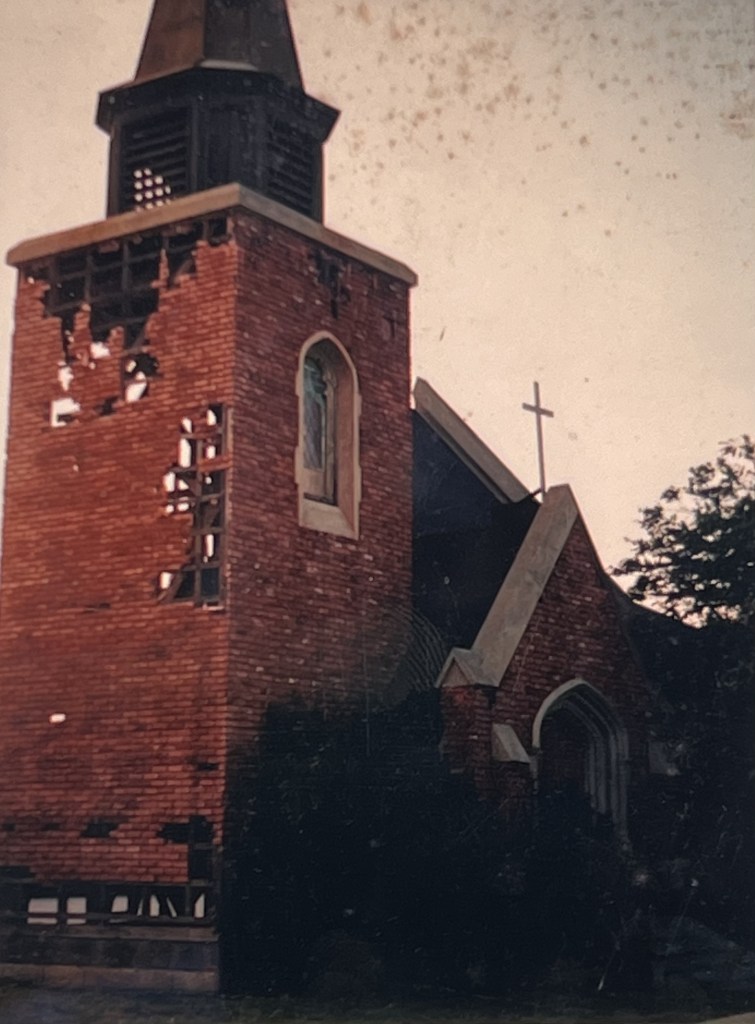
A picture from Pax Son next to a picture I took while up in the Church Tower in 73′.

Inside the Atlanta Train Depot 1939 and 30 years later.

Gone are many of the famous stages used in GWTW, which were removed by Amazon.

Unlike the sound stages in the rear, not much has changed to the main office!

A rare rear shot of Tara taken on the corner of Lucerne & Higuera and the same angle today.

A three picture progression of the 40 Acres Backlot taken 30 years apart.

For more backlot adventures, check out my book on Amazon.com

Planet of the Apes, 55 Years Later…

Lake Powell

Fox Movie Ranch/Malibu Creek State Park Before and After

The Ape City was built in this area which is adjacent to the Century Lake, which is no longer visible because of the overgrowth.

Malibu Creek State Park Before/After

Fox Movie Ranch and Point Dume Beach in Malibu. The movie ranch is now the Malibu Creek State Park and is open to the public.

Fox Movie Ranch/Malibu Creek State Park

The cage to hold the humans was set up on the old foundation of what was once the Crags Country Club Lodge. The private lodge was built around 1900 and subsequently torn down by 20th Century Fox after purchasing the land. 

This area currently known as the large group camping area of the Malibu Creek State Park was the location used as the area where the apes were hunting the humans in the fields of corn.

This area currently known as the large group camping area of the Malibu Creek State Park was the location used as the area where the apes were hunting the humans in the fields of corn.

The movie ranch is now the Malibu Creek State Park and is open to the public.

Fox Movie Ranch/Malibu Creek State Park Before and After

Pirates Cove at Point Dume in Malibu. A famous Nude Beach. Around the he corner is another famous location, Paradise Cove and its iconic little pier.

The final scenes take place in what is known as Pirates Cove at Point Dume in Malibu. A splendid place to surf!

The costumes were extremely revealing for impressible, young, soon to be teenagers, especially on the big screen.

Hours in the make -up chair is how your day begins…

Roddy and his classy Quellazaire, used by both men and women.

No one smokes a “Fag” as eloquently as Audrey Hepburn.

MGM Backlot 21974. Pictures from Donnie Norden collection. No Cameras on set!.

Arc Lights glowing above a Subway. An Earth Quake is about to take place.

Roddy McDowell in Blue Robe, smoking, fresh out of hours of make-up, going over first scene of day. His cigarette smoke rose upwards and I shared this “smoke” with him, in my hiding place.

Good time to invest into the future. All this smoking can make an ape thirsty…

Everywhere I turn they’re smoking, the only time they don’t is when the camera is rolling.

These two have been hiding out in my backyard next to other movie props.….for decades! Cool toys for cool Boys!

Spring 1968, We Begin;

Most everyone my age remembers Woodstock and the impact it had on culture in 1969, but another phenomenon proceeded this time and space. Planet of the Apes was the name of a novel written in 1963 by Pierre Boulle. It was adapted for a screenplay written by Michael Wilson and my hero, Rod Serling. Sci-Fi director Franklin J. Schaffner was chosen to lead a cast that includes two actors I would “in the not to distant future” watch act before my eyes in movies on the MGM backlot.

The early 70’s became all things apes.

In 1968, I was in a Catholic elementary school, St Augustine. “Education by the end of a ruler” as I call it. A school that prepared you for life. Some nuns you feared, like apes, no nonsense. I bring up this comparison to several scenes where apes intimidate and rule humans in a setting of caves, fields and beaches. In other words, I related with Charlton Heston, Kim Hunter and Roddy McDowell.

I vividly remember walking down train tracks all the way to the iconic Culver Theater, now Kirk Douglas Theater. The Bill Boards around town were effective and lured you in. The fact Apes could talk and became dominate over man is all the plot you would need. Needless to say, after 2 hours of popcorn and candy, the walk back home was surreal. This is what movie making is about. We were captivated by what my Pal Jimmy and I just witnessed. A fast walk to the theater changed to a slow walk home alongside good old MGM.

Both of us go to different schools, and quickly this film spread like a wild fire. Nothing was ever done like this before. For an eight year old, this was frighteningly real. You wouldn’t want to run into this group of Apes on Horses, with rifles no less.

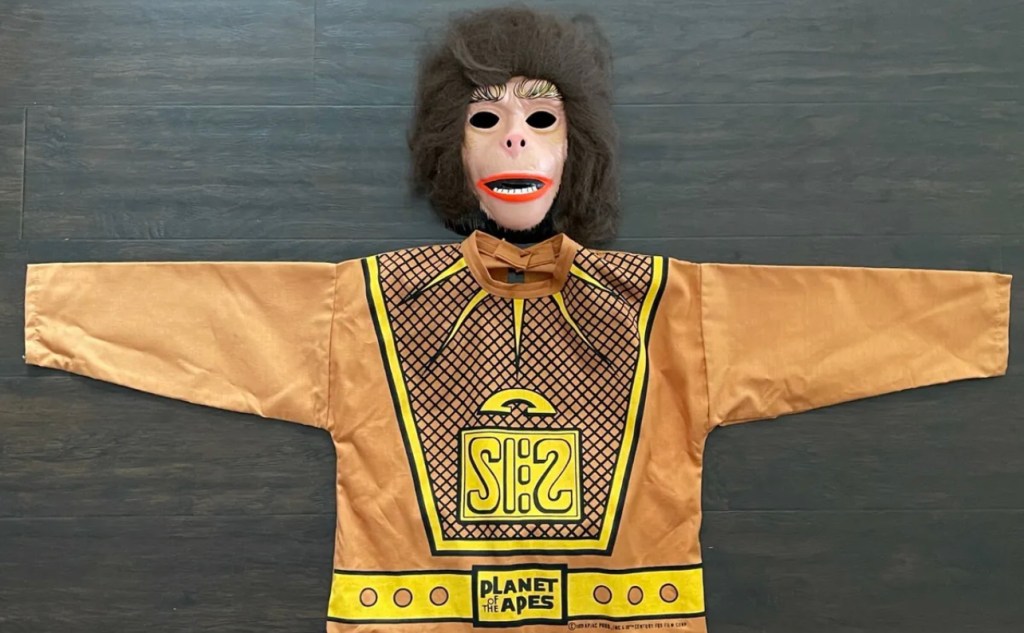
Locations included California, Utah, and Arizona. The final cost was $5.8 million dollars. It returned a whopping $33.3 million into the pockets of the producers. It received honors for Best Make Up, Best Costumes, and Best Original Score. It launched a franchise, 4 sequels, a television series, an animated series, comic books and tangible items such as lunch pales and costumes for Halloween.

Fast forward 1974The T.V Series

By now, the world could not get enough of this concept, I’m now 14 years of age. I already started my backlot trespassing lifestyle, watching Charlton Heston in another thriller, Soylent Green, on the MGM backlot in 72.’ Imagine my surprise when truckload after truckload of broken cement was delivered to MGM’s backlot for use in a T.V Series of the same name, Planet of the Apes, 20th Century Fox Television…starring Roddy McDowell.

In my book Hole in the Fence, I take you with me on set. I meet Roddy, an absolute Gentleman and a kid from the MGM stable himself. I wear Urko’s helmet while the crew took lunch. I slipped on ape hands, then toted a rifle. MGM security saw me in costume and totally flipped out. I looked pretty intimidating.You can read the rest in my book.

Sadly, do to the high cost of filming, the series was discontinued. Not before Roddy McDowell escorted all the neighborhood kids who were trespassing- onto the set. Like he is one of us.

I excitedly watched every sequel made in this franchise leading up to this T.V series. Never in my wildest imagination could I have imagined I would live this.

Final memories;

Yes, Apes smoke cigarettes, all the time. They read newspapers and follow the stock market when not in scenes, they also make phone calls on rolling phones, to their agents. They eat meals, in costume, removing what garments they can in the hot summer sun. Horses have gun holsters and finally, No Cameras, allowed on set.

Today, I bring you back to simpler times, when apes ruled the world !

Many of the scenes from POTA were filmed at 20th Century Fox Ranch. This movie ranch is known today as Malibu Creek State Park, and has been open to the public since 1976, after the State of California bought the property from Fox in 1974. The lake in the park is named Century Lake after it’s former owners.

Stuff...

The shocking ending—in which the remains of the Statue of Liberty are found, revealing that the supposedly unknown planet is really Earth—ranks among the most famous in film history.

The immense popularity of the film resulted in four sequels: Beneath the Planet of the Apes (1970), Escape from the Planet of the Apes (1971), Conquest of the Planet of the Apes (1972), and Battle for the Planet of the Apes (1973) and a TV series (1974). In addition, Director Tim Burton remade the first film in 2001. MGM or Sony -technically had an ape village built wall to wall inside Stage 27.

Written and lived by…Donnie Norden.

Vintage Stars in Fancy Cars

Forges et Ateliers de Construction d’Eure et Loire
Better known as Facel Vega. A large loaded bar folds down for the passengers in the back seat. Kangaroo upholstery provides a unique high quality comforts.
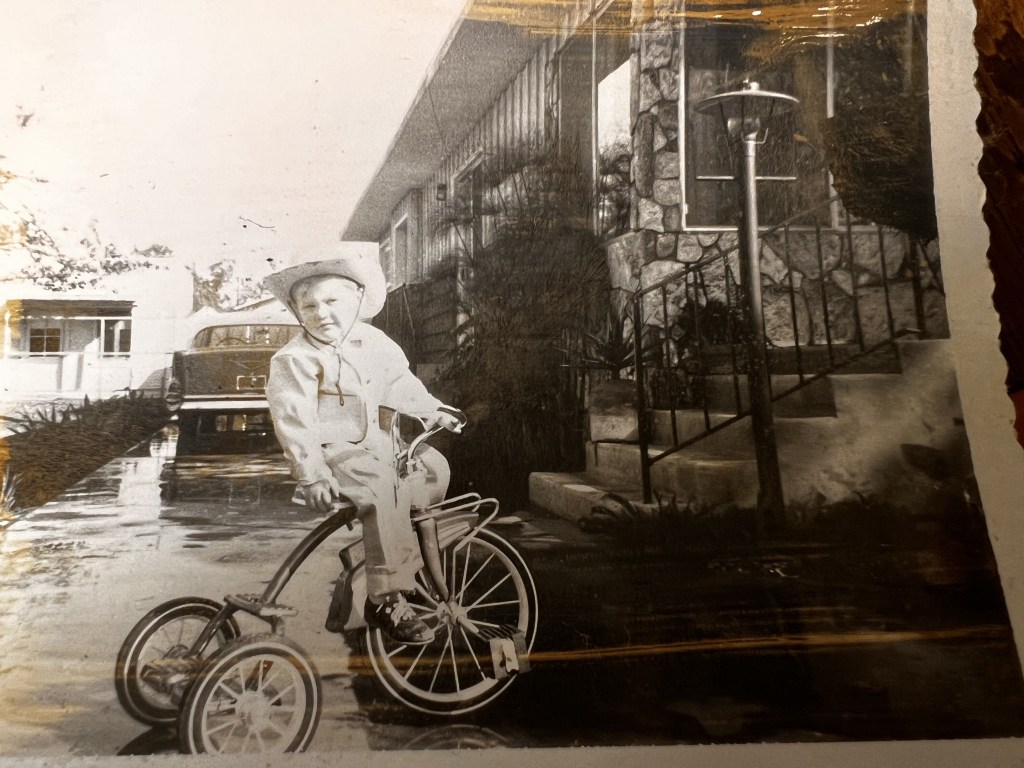
My dad knew a gem of a car when he saw one…We had a 1967 GTO and and a 57 Chevy. He used a Ranchero for his pool cleaning business. This is our front yard, a block from MGM. Across the street, in a double sized lot once owned by Ronald Coleman, we found this car. A famous animal trainer for motion pictures and television resided next door to him. Glen Smith, often, famous movie dogs walked down our street, Frank Inn brought over Bengi for a visit, other dogs from the Lassie TV series stopped by. My street is like an extension of the backlot, complete with MGM security drive -by’s in a red Bronco. It’s all in a days work for me. Chips -MGM TV -filmed 3 episodes on my street. Sounds easily carried down my block from the MGM backlot. As a kid, Combat sounded like it was filming in my backyard. I was an MGM/ Desilu museum of sorts. My street leads you to…MGM Lot 2.
My front yard- 1972. This car sat parked in a driveway for years, never moving, just a few houses down from ours. This became my dad’s pet project, to bring this super low mileage classic back to it’s glory.
My pop-Donald LeRoy Norden, waving good -by as he takes his prize for a spin around town. After he would leave for work in his 57 Chevy, my friends and I would sneak drive this…My dad would roll in his grave if he saw what these cars go for, price wise- now.
You too could be The Talk of the TownRonald Colman and Cary Grant. “Who’s this guy driving my car?”is Ronalds expression.
My dad was so proud of this car, now I know why. It’s worth a fortune. But our family did not see one red cent. Easy come easy go, like my movie props, I guess. I wasn’t old enough to drive legally but we moved it around, that’s a good way to put it, it just moved it up and down the street, to be seen. Like the big shots we were…
Lost Horizon set, this car sat in a huge yard tucked into a over grown corner, similar to this spot. Nature was trying to recapture it. I’d see it everyday, it never moved until my dad got his hands on it.

R.I.P RAC-OOO

36 made- and Ronald Colman bought one.

Finished product look a like…

This is on the cheap side…That’s just the average Joe version, the value climbs as the star power of the owner is factored in.
This sold for 500 K…Steering on right side for our Abbey Road friends. My dads had a push button automatic transmission located between the front two seats…
Ornate wood console trim. The engineer who designed this ride is Carlo Manchetti, a former Le Mans winner. Ford and Ferrari would meet their match. Capable of 160 MPH
Similar to ours, push button gear shifter…and ignition.
What a prize…
302 k-SOLD… with no movie star attachment. I can’t believe we got rid of this car. The perfect MGM ride to work, I could push it there I live so close…
Quite the fleet, some fine transportation for Mr Coleman. His last two roles were Around the World in 80 Days, and The Story of Mankind, both cameos. He died on May 19, 1958, at age 67 from pneumonia.
Debbie Reynolds-DER 000- very interesting because my dad’s Facel Vega had the license RAC OOO. Neither middle initial matches either star. Ronald’s middle name was Dean. Debbie Reynolds was formerly Mary Francis.These are coded license plates.
It Started with a Kiss but this car ended up chasing down every colorful- yet evil villain in the 60’s…Alan Morton posted this sequence on a site Fiction, Horror & Fantasy on TV. Nice job Alan!
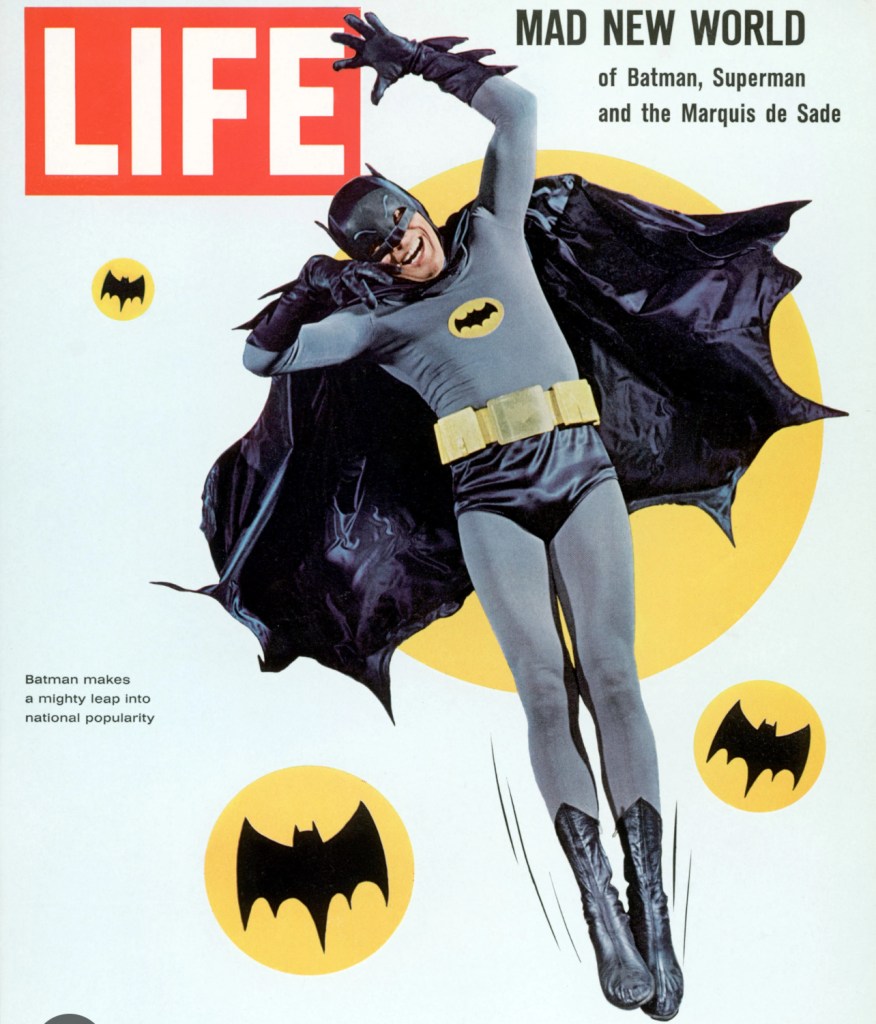
There’s lipstick and a hair brush in the glove box Batman”
The dynamic duo outside the Bat Cave...”I smell Debbies Reynolds perfume Batman” -“Relax Robin, or I’m selling this car!

Prior to production of the classic film Bullitt, Sports Illustrated invited Steve to a track in Riverside, Ca. The top high performance vehicles in the world were at his disposal. What fun this man had…
The studio demand he be off the racing circuit, of which he’s highly efficient,
1966 Jaguar-very smooth at 110 MPH yet capable for family errands. Ms. McQueen is “kind of keen on it”
A Red Corvette Sting Ray, Red car -427 inch V-8, $ 5,500 top end. A blue Ferrari 275 GTS with a rear mounted 5 speed gearbox. Steve regards Ferrari as the supreme engineer…price $ 14,500
A blue Aston-Martin DB6 starts at $15,400. The red Cobra 427 is a real” Stop Light Bandit” price $7,500
A red Alfa Romeo, Duetto, the latest from the small distinguished Milan works, corners brilliantly with superior brakes. McQueen likes it looks but would like more power in a car that costs $ 4000. A blue Porsche 911 delighted McQueen with predictable handling with furious cornering. This proves Porsche solved it’s oversteer problem Steve remembered from his racing days.This rear engine vehicle costs $6,500.
When Steve’s not racing cars-he’s racing bikes!
Bavaria, Germany- Location.
Elvis, the car collector, on the backlot..
A mega-star two seater…check out those fancy guitar sun flaps above.
BMW below…Caddy above at airport
Just imagine running into The Blue Moon Boys, at some late night Texarkana diner, grabbing a bite to eat in- between traveling, trying to make ends meet…That’s a catchy name for a band fellas!”
Elvis was not a shy star and in public acknowledged his fans, several Culver City residents in the 60’s and early 70’s have had their own personal encounters with The King, including my sister Nancy at Vet’s Park Auditorium while making Viva Las Vegas.
Elvis with a mouthful of Novocaine in his last ever photo- after hours in a dentist chair… You have to admire a guy that keeps his dental appointments- no matter what hour of day or night !

Lets start in 1923…

It was then this imported British actor named Ronald Colman got his first lead opposite Lillian Gish, in The White Sister. It launched his career as a romantic idol in the silent era. But, Ronald had more success in talkies. Some of his acclaimed films include ( A Tale of Two Cities, Lost Horizon, and The Prisoner of Zenda)

Ronald Colman died the same year he bought this car, it’s a 1958 Facel Vega. A French Body on top of a Chrysler V-8, 325 horsepower engine block. This car was brand new. But it sat exposed, for a decade at least, with zero conditional love. It’s lost it’s owner and turned into a golden lonely orphan, parked under a fruit tree on a dirt driveway. How it got there, your guess is as good as mine. Real old people lived there. They must have in some way been connected to Mr Colman.

The elder gentlemen and owner was not into cars, so much so, he left a window down, ruining the kangaroo skin upholstery. .That was impossible to replace we found out in my dad’s attempt to restore. The sin here was, this car was brand new. The engine purrred once it was jump started back to life. The mechanical end seemed right out of the factory, but the interior aged significantly.

It moved on to our front grass for awhile as my dad always had 3 or 4 classic vehicles in our long driveway. My friend Jimmy and I often sat in the backseat, and pretended to be adults drinking and carrying on-like movie /rock stars. 93 KHJ and The Beatles played through the speakers. Ringo had nothing on us, we could match him car for car, song for song…

You can’t do a car story without mentioning two other legendary car collectors, Elvis and Mr. Steve McQueen. I hope you enjoyed the ride!

Written and lived by… Donnie Norden

A Tale of a Pair of Shoes-The Twilight Zone

Dead Man’s Shoes” Written by Charles Beaumont. Directed by Montgomery Pittman. Aired Jan, 19, 1962

Props needed…”Shoes”…

What You Need“-Written by Rod Serling. Director Alvin Ganzer. Based off “What you Need ” by Lewis Padgett…”What happens next-I put these on- right- they take me somewhere?”

Now What old Man!”

“Nathan Edward Bledsoe of the Bowery Bledsoes, a man once, a specter now. One of those myriad modern-day ghosts that haunt the reeking nights of the city in search of a flop, a handout, a glass of forgetfulness. Nate doesn’t know it but his search is about to end, because those shiny new shoes are going to carry him right into the capital of The Twilight Zone”

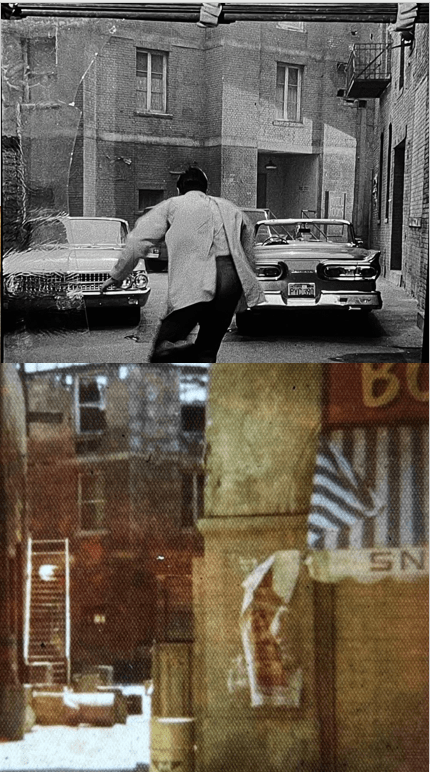
A picture of mine-Looking down from across the way. This is where Rod introduces the opening narrative involving Edward Bledsoe and those shiny shoes…

Just going for a drive with the boys- no there’s nothing in the trunk”…Rod’s intro done on stairway behind car.

One of the three passageways into this secluded area…

Entrance to alley from Eastside Street.

This building is being knocked down by bulldozers…This was same alley Limo turns in.

Time to get up and stretch my legs”

This was one of my very favorite spots-center of New York City. Three entrances combine under this stairway.

Might as well have a drink!”

Coast is clear-dump him here”

Upstairs, across from Hobo stairs-looking down on deceased drop off point. I took this picture on a rainy day on the backlot.

“Poor fellow- sure has some nice shoes”

Good place to sleep up there”

Up -Theredifferent angle on our Hobo stairway.

The final moment of this most iconic stairway. I wanted this so bad, I’ve run up and down this a million times-recreating every movie scene ever done. My first view of filming on these stairs was Charlton Heston looking down in Soylent Green.

This wise old owl and I became friends. Center picture-white head, focused on me. A pair of them could be found up here sleeping in daylight, hunting at night. On quiet nights-the owls could be heard communicating fervently at times, shrieks echo the length of the street. Owls are part of the landscape. They ended up having babies. I’m proud to say offspring- Still Exist. I saw one recently flying off with a possum toward the Columbia Pictures sign and iconic Water Tower on Lot 1. Bone piles of digested rodents made like a science puzzle. I love owls!

Recognize this?-The alley being demolished.

1975- “garbage” is set dressing.

“Those are some high falutin shoes”

Same stairs -1976. Set dressed for Popi, a short lived MGM TV project starring Hector Elizondo.

Camera Marker-“Action”…My favorite words.

I feel rich”… just strutting along.

I like your shoes,- I’ll trade ya”

1980- Same angle our actor begins his feverish walk upset at our street vendor. Damaged vehicles are left over from the TV Series “CHiPs”

What gives old man?”

Get out of the way!”

This is not what I need!”

First, my tie gets caught in the elevator-now this!”

Where the trucks are parked in this picture is where the impatient man in those magic black shoes was struck down, on that corner. August 1973-“Lemon-Up” commercial being filmed.

The same area as the hit and run– long before the television series existed.

Larry Blyden gets killed in this alley and goes straight to “heaven”

You’re a Winner!”

Before being “Mr. French” Sebastian Cabot absolutely nails this part as Mr. Pip, the Devil’s Caretaker. This is the other Place

A down and out Jack Klugman befriends a trumpeter in this alley. “A Passage for Trumpet”

Sometimes, taking the high road in battle tested running shoes is “What you Need -to escape, that is!

Active Lad ShoesHigh performance, all terrain, acrobatic, dependable, and silent- except when playing basketball. The “right” shoe always wears out first- due to never ending skateboarding, which we do here often.

Shoes are important on these backlots…

Fancy shoes are for entitled hobos and movie stars. Trades and craftsmen wear boots and protective footwear. Security wears polished, shiny black leather footwear that match their uniforms. Trespassers wear tennis shoes-always ready to run and scale fences. It’s on the backlot they all come together like keys on a piano.

You can tell a man’s life story by the shoes he wears. You can tell a kid’s by all the scuff marks and dirt trapped below the surface. All the dirt on my body, from my cheeks, brow, hands, etc. is from somewhere here at MGM. I’ve worn out several pairs over the years here at MGM because- that’s what kids do! That’s what moms are for…new shoes, clean clothes, and dinner.

The Twilight Zone features two episodes with shoes as the narrative. Neither “ends well ” for the guest stars who fit inside these fancy Oxfords… Death becomes them.

Many times, hiding from security searching whatever building I’m hiding in, you hear only footsteps. Some rapid, some thuds, some soft footing sneaky types. You tune in on your surroundings, especially when you’re hiding from the law. Their fancy polished shoes make noise-like a tap dancer in a MGM Musical. My tennis shoes are silent, yet comfortable. When we climb fences, we are careful not to leave scuff marks. Shoe prints on fence tops are a dead giveaway for enquiring security personnel. The fences reflect the wear and tear of shoes, the rubber marks left on metal fences tell their own shoe story.

These two shoe episodes were always especially cool since both filmed extensively on the same section of New York Street. I can’t tell you how many times we relived the hobo scene at the top of the stairway. I’ve spent many an afternoon killing time in this alley that has more history- than any alley in the world.

This alley is the same one used in Boystown in 1938. Kids are throwing fruit at one another as Father Flanagan walks down the street adjacent to our alley.

I’ll keep focused on the Twilight Zone history, since this is that post.

In “A Nice Place to Visit episode, Larry Blyden is killed in this alley in a robbery and discovers himself in his “afterlife”. Sebastian Cabot stars as the provider of “any wish’ and is in charge of that “other place.” Directed by John Brahm. Writer-Charles Beaumont. Season 1-episode 28.

In “Person or Persons Unknown” Richard Long -“David Gurney” escapes from an institution that has a set in this alley. Charles Beaumont wrote this one also with the same director, John Brahm, this time in season three-episode 27.

Jack Klugman and John Anderson meet- in this alley in “A Passage for Trumpet,” Directed by Don Medford, Written by Rod Serling. Season One-episode 32. Featured music by Lyn Murray, including trumpet cues.

This condensed section of the backlot is like a funnel everything channels through. It’s fairly safe, but a long way from fences. If you somehow end up being pursued, just keep climbing higher than the pursuers. Catwalks connect to other buildings allowing eventual escape. Reason being, “no one is going to make that climb if they don’t have to.” Sometimes we have no choice and I’ve had to do it at night-“the devil you see vs. the devil you don’t.”

Somehow I survived, thanks most likely to a a very worn -in pair of black and white tennis shoes with a mind and story all their own…

Written and lived by…Donnie Norden

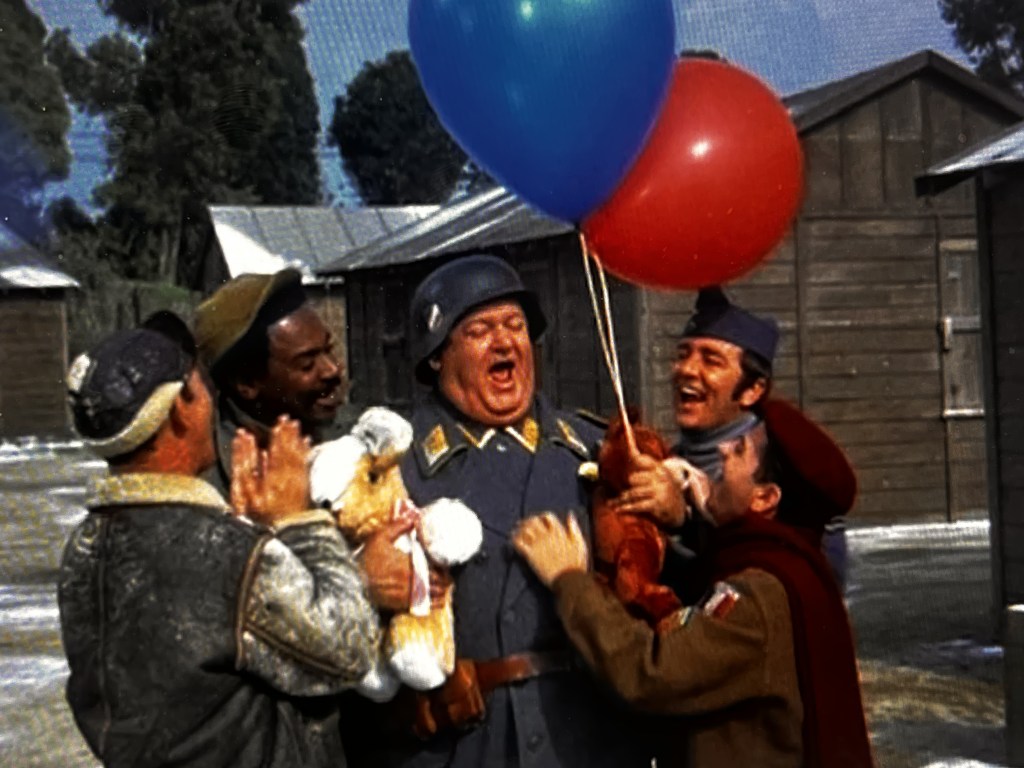
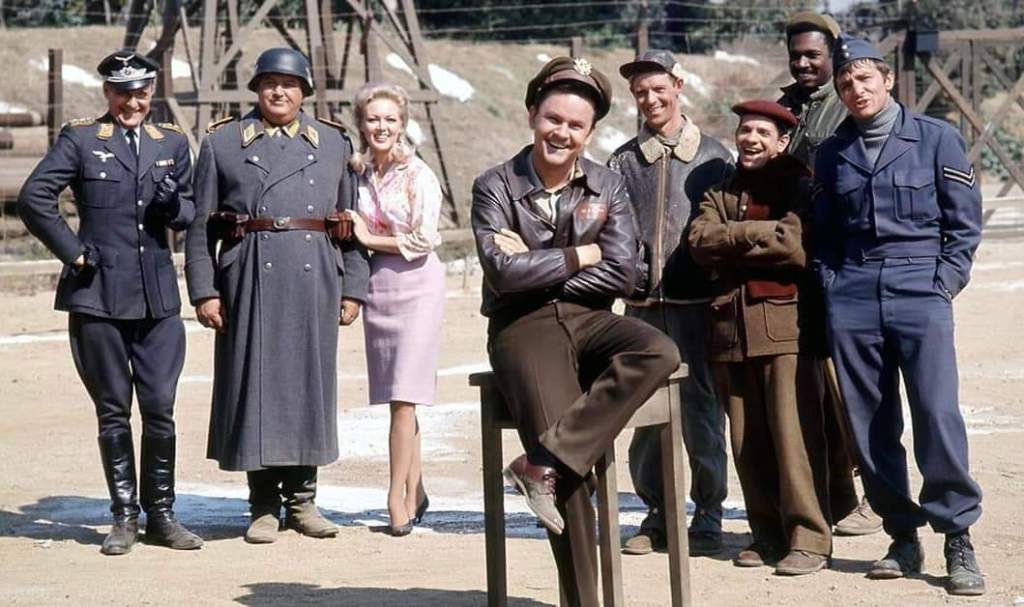
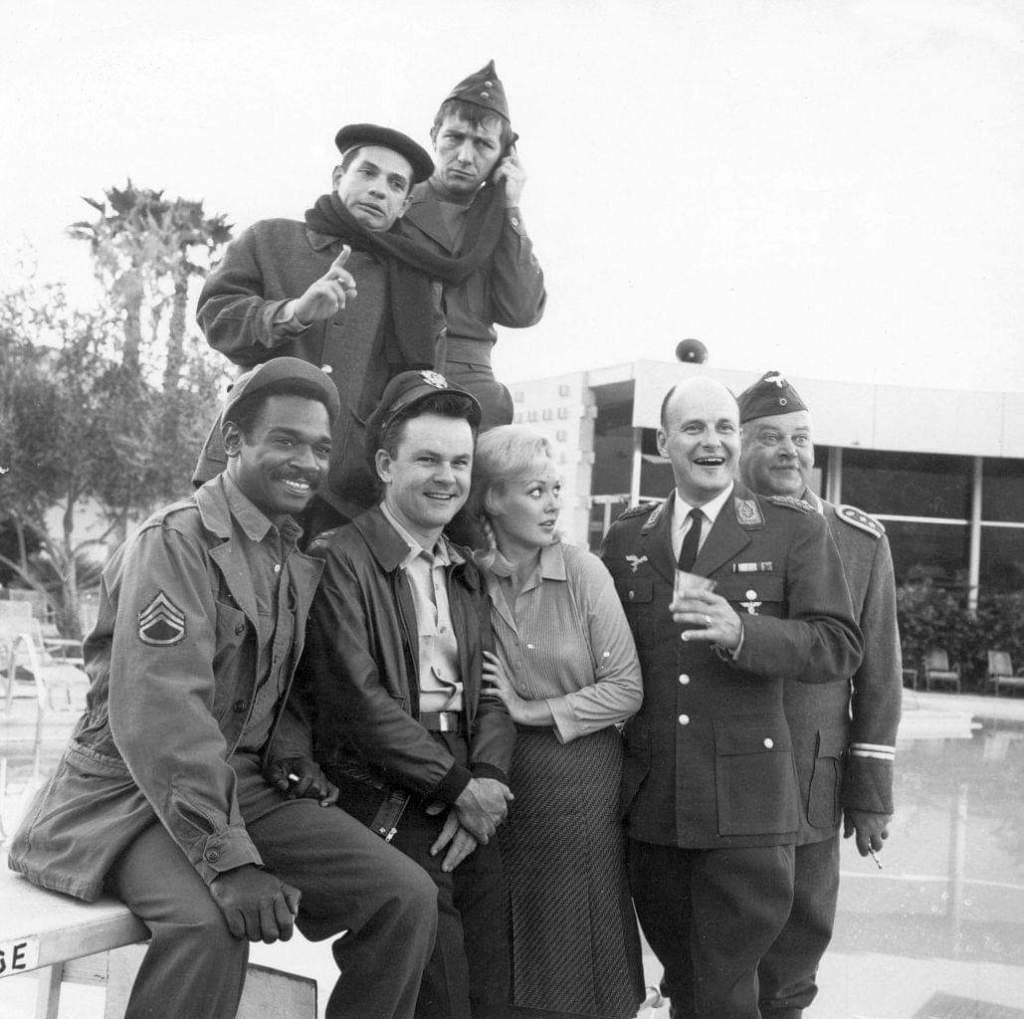
A Guard Tower at Stalag 13

In the summer of 1973-this story begins…

Teenagers will be teenagers, fun can be had anywhere. Anywhere for me almost always involves a backlot. I have a pretty girlfriend, named Maureen. She’s a female me, she likes excitement and smoothly and efficiently climbs razor sharp fences, usually in cut offs. We trespass at MGM Lot 2 all the time, it’s part of living so close. But my shiny new first ever girlfriend has heard so many cool stories about Desilu, she wants me to show her around. Like a 13 year old Gentleman, I agree.

A Green- Culver City bus drops us off on the corner of Van Buren and the driver reminds us “bus service stops at 10 pm.” We cordially nod in approval. I paid our fare with change from my dad’s Blue- Santa Monica Bus coin dispenser. It’s like my own personal piggy bank. Nickels, dimes, and quarters are at my beckon call when dad mistakenly leaves this money contraption on our kitchen table. Yes- my dad is also a bus driver with the Venice/Santa Monica beach route. Sometimes Jimmy and I ride with him just for the views. There are always plenty of nice girls riding along with the newest trends in beach attire, which is barely any attire at all. It’s cultural and educational.

Maureen and I exit the folding glass doors across from the Culver Hotel, at a Richfield Gas Station. It’s just a short walk from here to the La Ballona Creek. As we head in a southern direction, we small talk back and forth as we briskly walk to our destination. We slow the pace down as we pass where Bruce Lee once lived during the filming of The Green Hornet, “”He lived upstairs here,” I point upwards to the second floor in a duplex right behind Desilu. Every teenager “DigsBruce Lee and sadly he just passed on at the age of 32…His death shocked me like when Jimi Hendrix died, or when Vince Lombardi, Pete Duel, and Venice legend Jim Morrison died, all recently. It seems to us young teens… The Good Die Young!

We pause in respect likehe’s here!

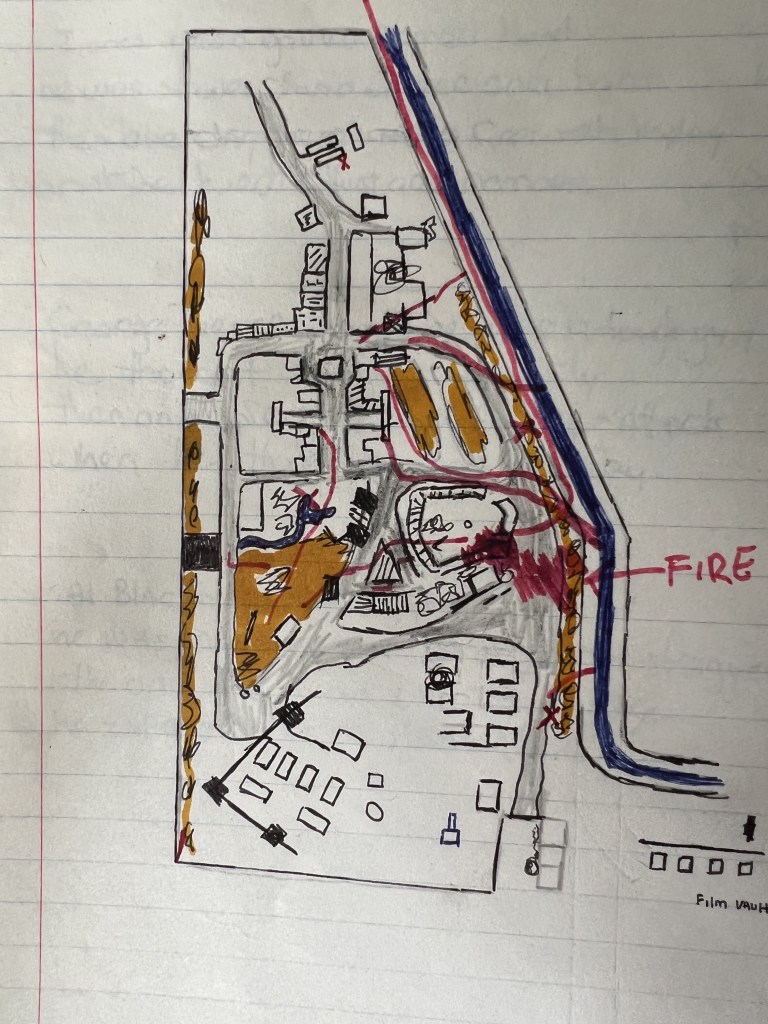
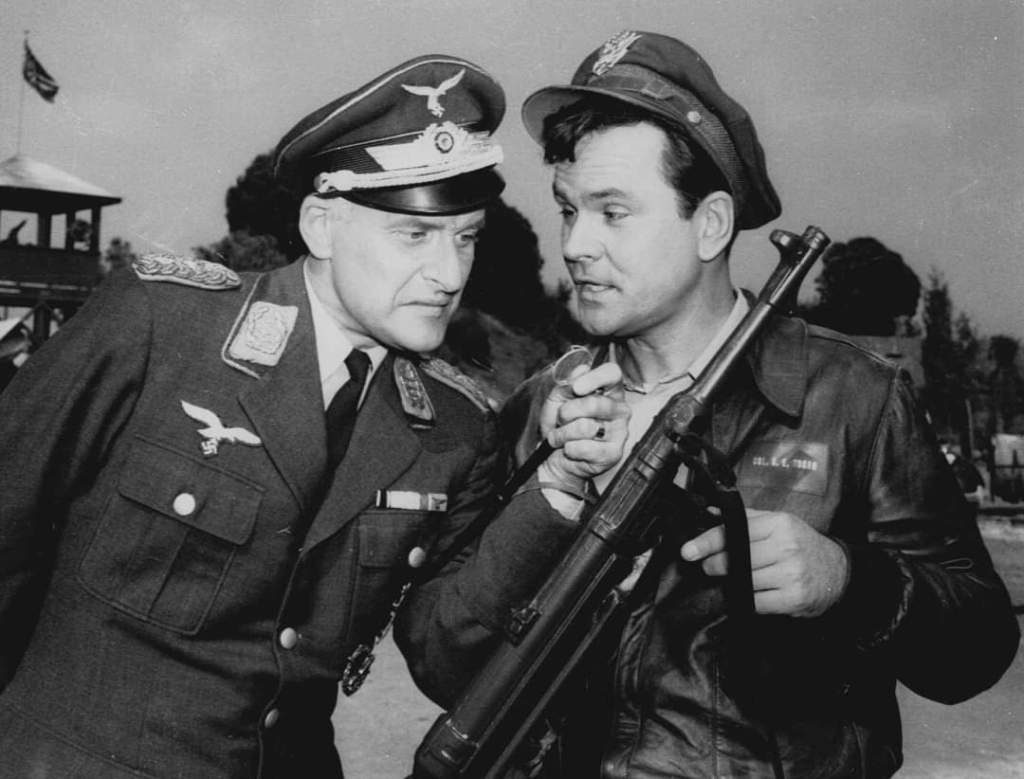
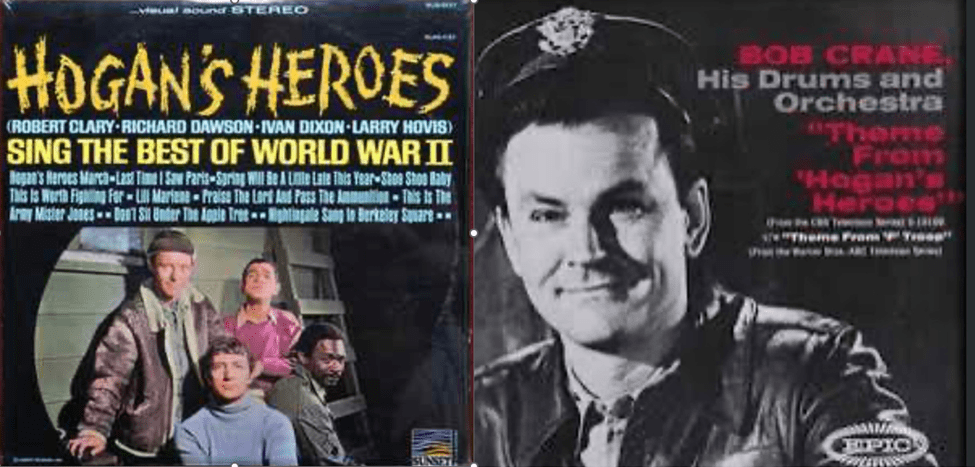
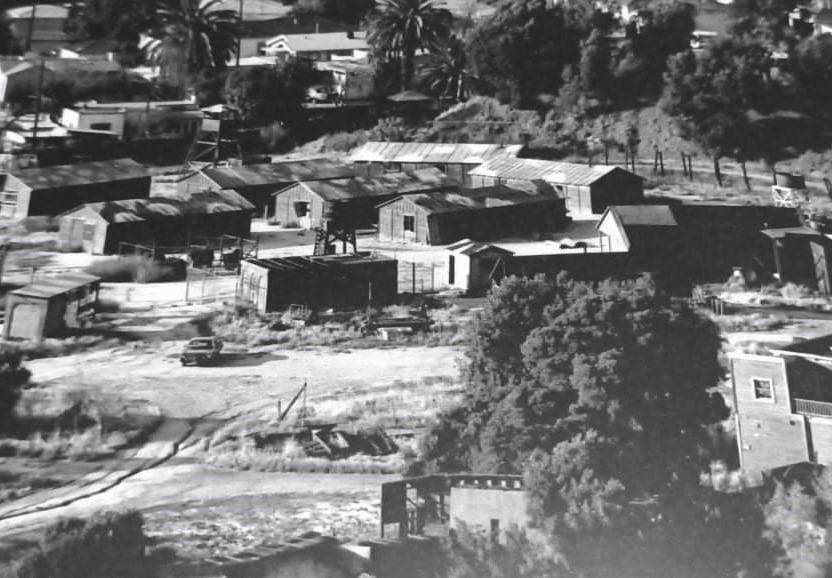
We continue down the street and climb down a cement slope and into the La Ballona Creek. This is where most trespassers begin their journey. There is no fence at all. Barb wire chain link surrounds the studio, but no obstacles here. Guard Dogs have disappeared that use to guard this place. It has a new owner, Laird Studios, and Hogan’s Heroes was just canceled last year. That is the main destination tonight, Stalag 13. It’s just past 6 PM on a summer night, with a bright orange sky highlighting itself against a gracefully aged backlot.

We hold hands as we go up that same cement embankment and peek between eucalyptus trees that line the creek on one side and a dirt road that leads all the way to Mayberry. The first set we pass is Goobers Gas Station. I show her around, first inside where empty shelves used to sell motor oil. There is still a pump and an icebox, left behind out front. Off to the side is a dirt pit that cars drive over so Goober or Gomer can change your oil. There are a lot of holes around this backlot. We both jump over the pit at the same time because- “we saw Opie Taylor do it!

I cut through some Eucalyptus trees pulling Maureen behind me through a face full leaves where we enter the King of Kings set, built in 1927 by Cecil B. DeMille. “Me and the boys just built this fort” as I proudly walk upstairs to the second floor. It’s narrow inside and we have a table and chairs…they are actually boxes that say Explosives that we found at the camp. I quickly realize there is no comfortable place here to relax and talk school. This is a mans fort- so we move on.

Downstairs and after one last farewell glance backward, we proceed forward under a plaster archway . We’ve now entered the old west. Like a pair of tumbleweeds we roll through town. All’s quiet so far, we are the only people here this evening. As the sky becomes a more dramatic orange with whipped up white clouds, we head towards the infamous Hogan’s Heroes tree stump.

I hold open the lid as Maureen proceeds down a 6 foot wood ladder into the dark abyss, not hesitating at all. The entrance is being lit by the remaining daylight which suddenly turns to pitch black as I slam shut the hatch. Just me and her in the pitch dark inside most famous tree stump in the world.

I have the advantage, I control the lid. Her laughter turns into a scream as I grab at her childishly. She has located me in the pitch blackness and begins punching me as I reopen the lid for my own safety. As I help her out of this wood and composite stump chock full of spider webs- I notice her forehead and hair has some fairly large cobwebs on them, like camouflage.

We reset our bearings to approach our next target- Klink’s Office. We enter from the backside of his headquarters while walking and taking in 6 foot tall licorice plants. The entire backlot looks and smells like this wonderful fragranced gift from nature. We arrive quickly taking one step into the tiny, widely exposed backside and stand between a wild wall that hides this field from camera as -the front door opens. It’s my turn I turn to twist that black metal door handle and we step out on the covered porch overlooking the Stalag, we are at this moment like – Colonel Hogan and Helga.

I really want to make out, so does Maureen...I think. I feel electricity usually reserved for when I’m being chased, or hitting a home run, or scoring a touchdown-It’s that feeling!

We walk to the dog kennels located next to a wishing well and a utility hut. I tell her “I want one of these for my dog Pebbles”- who sometimes trespasses herself. I know all the tricks here, I say “under one of these 6 dog houses another backlot hole exists,” she finds it and celebrates like some hidden Golden Easter Egg. There is a certain moment of satisfaction when you see this particular camp entrance that supposedly begins at the tree stump yonder. Here it is- in all its glory.

Next we browse into a P.O.W. bungalow which happens to have… rope cots. We sit, then lay on them but we reject them as very uncomfortable, like potential “rope burn” uncomfortable. Close but no cigar. We open the P.O.W. door and look toward the main gate. “let’s go climb up into the guard tower, shall we?

We run in anticipation, stopping to look in the Red and White striped guard shack. Close by, a ladder invites you upwards toward the guard lookout vantage point. The gigantic searchlight has been removed as was the machine gun. We look over the Stalag as the sky just begins to darken. We are in the Tower farthest right looking outward beyond the Main gate, toward the grassy snow covered knolls.

A lot of kids watch sunsets at the beach, but Maureen and I dig backlots and find Stalag 13 very romantic. Eventually we get sick of standing and just lay on the floor of this tower…making out like sophisticated 13 year olds. I remind her to be careful not to fall through the hole the ladder rises up through. Maureen looks beautiful as the sun sets on her already golden blonde hair. As I remove one more cobweb…”We begin the Art of Making Hickeys” on each other’s necks to the sensual sound of crickets.

Definition…For those who don’t know- those are marks left on the skin, usually after sucking, and, can take 10 days to disappear.

Sometimes, I just like to soak in my surroundings. She likes to talk. I guess it’s what you call “pillow talk.” I find myself fading in and out but hear something that spikes my interest. She said, “when I get older, my first time has to be special, like in a barn with hay and moonlight.” I nod in polite concurrence. She may think I’m not listening, yet I feel that we have ratified an agreement, like a treaty between two countries. I think to myself… Desilu has three barns. Three! Whee! Three! Be careful what you wish for young lassie. Pillow talk… I can dig it.

Every time we watch the episode of Hogan’s Heroes when General Burkhalter arrives at that main gate, we share a secret. We were the last scenes at this Stalag…with those same two giant Southern California Palm Trees off in the distance. We each gave our personal stamp of approval on this iconic set. “Don’t let your mom see this for Ten Days-at least!

Written and Lived by… Maureen Miller and Donnie Norden

We’re off to Desilu! The Number 7 takes you past not only MGM- but Desilu too. MGM Studios pictured on the right.

Love American Style… this is how I felt after leaving the guard tower with Maureen!

The tower farthest is our landing spot. This is where we discover “necking and hickeys”.

Our love nest is the tower on the right.

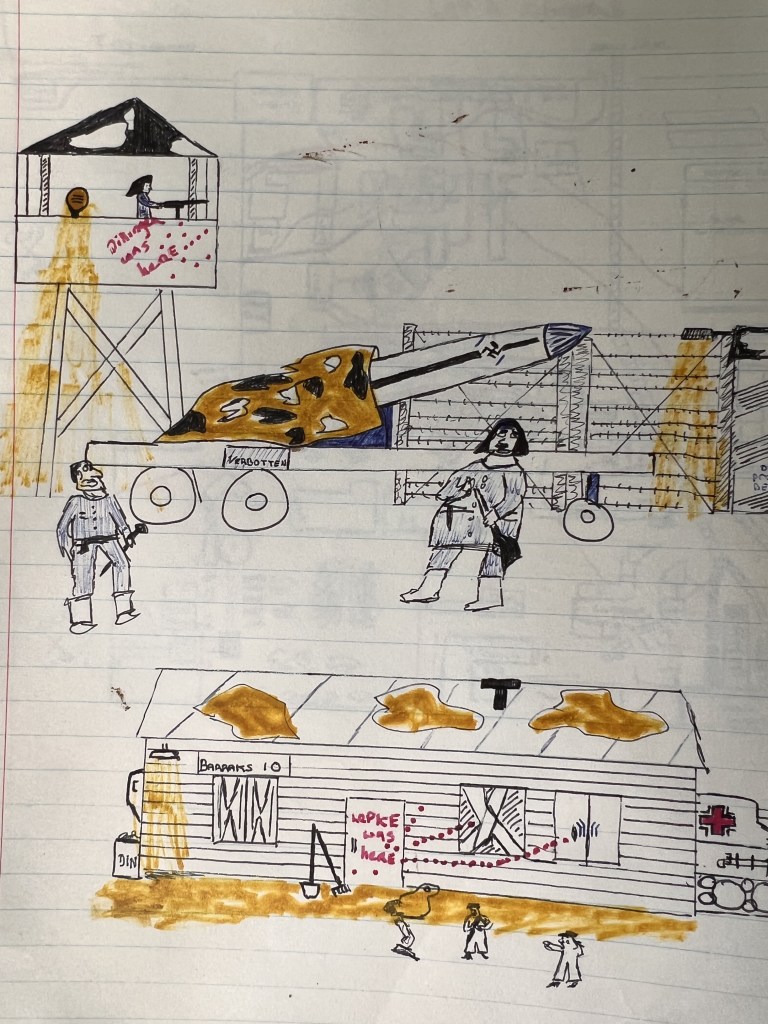
This picture was taken right before Stalag 13 was torn down. It was dressed a bit different for She Wolf of the S.S. They painted the guard shack neutral and added a medical cross on the roof of Klink’s office.

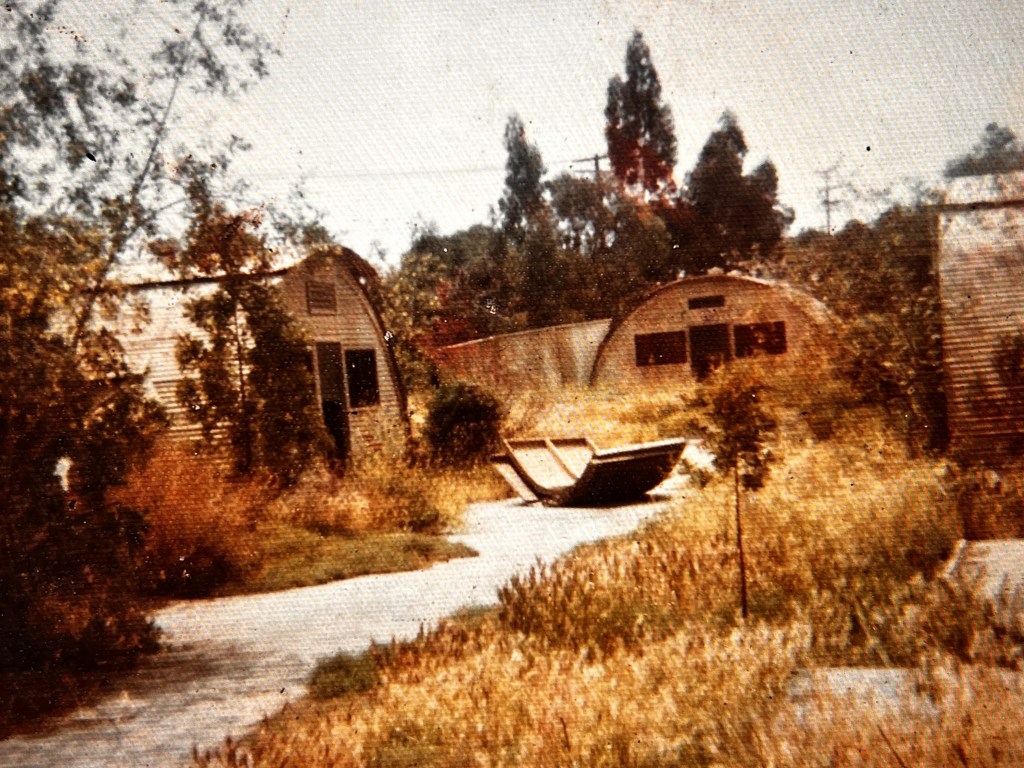
Just behind those Eucalyptus trees lies Camp Henderson from Gomer Pyle. The Baldwin Hills looks downward like a balcony seat.

Future TrespassersLocation, location, location… Proximity to the studios would set our fate. At this age, machine gun fire echoed through our street from the T.V. series Combat, filming close by. I was born in the middle of WW 2-on T.V. anyway.

Partners in crime…Maureen on the left/Donnie on the right. Yearbook photos at Culver Jr. High. Funny thing here is “I never carried Identification but I did carry a brush-everywhere.” We were constantly brushing our hair. She was always reaching in my back pocket. That’s life in the 70’s.

50 years later on the site that used to be MGM Lot 3

Up this stairway- in that square windowless room is my first Desilu fort. Inside we have six of these “explosivstoff” boxes to sit on. Built by boys for-boys needs.There were about twenty of these boxes inside the barracks at Stalag 13. This fort often saw extensive teenage partying. Soon after more forts popped up. One in a saloon which had a rolling phone to call “off lot.” We had pizza delivered to the saloon. Then another fort in the farm home used in Mayberry R.F.D. Our last fort built was in Andy Griffith’s House, upstairs. That had a church pew for a group prayer if need be, we removed it from the church across the way. This fort burned down in the Mayberry fire.

A four foot deep square hole lies under one of the six dog houses. This was where the POW’s would enter and exit the camp. The tree stump tunnel was how our Heroes snuck back into Stalag 13. They were both just- holes in the ground.

Of the three stumps, only one opens. This lid shuts by that rope handle. It had an incandescent light at one time for the actors that were put inside. This evening had no such amenities…Pitch black darkness awaits us.

This wooden cross piece was part of the top lid that opened and closed. It’s all that remains from my tree stump that was towed across town on a steel wheel cart when Stalag 13 was torn down. I wanted a dog house but those were already removed. “I need something from here” were my thoughts as I began to panic. The camp was down to guard towers, cots, and rooftops painted as if covered with snow, removed from the barracks. I then realized …”The tree stump is still here” so my best friend Pat and I used resources we could find around the 40 Acres backlot and devised a way to ‘Bring it on home.” It was a fixture at my home for almost another decade before finally collapsing from “over use- by big kids!”

The main gate of Stalag 13 has two towers on each side of the two gates that swing open and can be latched shut.

This gaurd tower has had many occupants in the past. Our fearless Camp Commandant can be seen peeking over the edge.

This is the actual interior of the P.O.W.’s barracks. These cots were inside without the cushion tops. Rope was all that we had to lay on and was not comfortable at all. Somewhere, we will find- our sanctuary. These cots ended up on Western Street and made it upstairs to our Saloon Fort. The fort with the Rolling Phone. We dialed 9 to get “off lot.” We called all over the country, just horsing around, whoever picked up the other end was told “Hello, we’re casting agents in Hollywood” The studio came looking for this phone because a large phone bill must have been attached. The saloon was boarded shut! “Damn, We’re out of business”

Stalag 13 was used in the Mission Impossible episode Trial by Fury (1968). Both are Desilu Productions.

The Guard Tower being used in the Mission Impossible episode Trial by Fury (1968)

Prison Camp in an unnamed South American country, in episode Trial by Fury (1968)

A great shot of the underside opening of the roof

Klink’s Office, South America style… Mission Impossible.

In this scene you can accidently see the parking lot just beyond the truck which is used for the cast and crew.

In this overview, you see two guard towers at the main gate. A third would later be added the left end of the barb wire fence. Marion Davies’ dressing room is located over there and Hogan’s Heroes used her old make up facility for touch- ups. I would rediscover this mobile heirloom in 2021, after hiding behind it in 1972. Camp Henderson is the Quonset Hut section of buildings on the right side of this picture. These two legendary movie sets often filmed side by side in the real-TV Land.

Cleopatra 60 years later. The Epic that nearly bankrupted 20th Century Fox

Elizabeth Taylor’s life had been threatened after the Vatican had denounced her scandalous relationship with Richard Burton. During the filming of Cleopatra’s entrance into Rome, the thousands of Roman Catholics who were extras became a serious concern. Soldiers packing guns lined the streets with barriers and cables to prevent an assassination. As Taylor came through the arch, the crowd broke through the barriers and cables. But as Taylor and the movie crew feared for her life, she realized that they were shouting “Bacio Liz!! Bacio Liz”, declaring their love for the actress. Instead of remaining in the highly strung character of Cleopatra, Taylor began to cry and thank the crowd as she blew kisses, and the scene had to be reshot.

Cleopatra 60 years later. The Epic that nearly bankrupted 20th Century Fox

Like Cleopatra of the Imperial Roman Empire, Cleopatra the movie nearly affected the course of history. This literary Epic, nearly bankrupted 20th Century Fox. Budget overruns due in part to turmoil on the set of the epic had forced the studio to completely shut down for six months and sell off a huge chunk of its backlot, which would eventually be turned into Century City.

During early filming at Pinewood Studios, the harsh weather conditions of the English winter brought on pneumonia for the fragile Elizabeth Taylor, where she eventually collapsed in her hotel room. An emergency tracheotomy was performed successfully at the hospital and Taylor slowly recovered. This setback helped to hold up the shoot for months, necessitating relocation of the production to the hot climate of Cinecitta Studios in Rome. Co-stars Peter Finch and Stephen Boyd were replaced with Rex Harrison and Richard Burton; and lacking a workable screenplay, the producers brought in Joseph L. Mankiewicz, four-time Oscar winner and a late choice to save the project, to replace Rouben Mamoulian.

Then there was the notorious affair with Richard Burton, that would lead both parties to leave their spouses, which Taylor would refer to as “Le scandale”.

Interestingly, with all of the attention surrounding the adulterous affair between Taylor and Burton, cost overruns and production troubles, very little attention has been focused on the important role of the Seventy-nine sets which were constructed for this movie. In fact, it is the sets themselves that define this movie as “Epic”.

Then there was the budget for Elizabeth Taylor’s costumes, $194,800, was the highest ever for a single-screen actress. Her 65 costumes included a dress made from 24-carat gold cloth. 26,000 total costumes were created for the film. Elizabeth Taylor’s overall take of $7 million for her role is equivalent to approximately $64.3 million in 2022 dollars. Adjusted for inflation, this is one of the most expensive movies ever made. Its budget of $44 million is equivalent to over $425 million today.

The movie was supposed to be released as two separate movies, “Caesar and Cleopatra”, followed by “Antony and Cleopatra”. Each was to run approximately three hours. But the studio did not want to wait an additional 6 months to capitalize on the Taylor-Burton affair. So, they released it in one colossal hunk, slicing out a lot of substance from the script.

It should be noted that the presentations of Cleopatra that were shown during June of 1963 were the original 4-hour version.  Only a couple of weeks into its release, the studio shortened the film by nearly an hour and circulating prints were edited to conform to the revised cut and/or replaced with newer prints.  All subsequent bookings were of the shorter cut regardless of whether or not it was roadshow or general release.

In the end, Cleopatra turned out to be the highest-grossing movie of 1963. It received nine nominations at the 36th Academy Awards, including Best Picture, and won four: Best Art Direction (Color), Best Cinematography (Color), Best Visual Effects and Best Costume Design (Color). Once it opened, it was sold out for the next four months. In 1966, ABC paid Twentieth Century Fox a record $5 million for two showings of the movie, a deal that put the movie in the black. But it wasn’t until 1973 when Fox claimed this movie finally broke even, and Fox “closed the books” on it, keeping all future profits secret to avoid paying those who might have been promised a percentage of the profits.

All in all, I love this movie and I find the making of it almost as interesting. This is one movie meant to be seen on the big screen!

Written and lived by… Donnie Norden

The Roman forum built at Cinecitta was three times the size of the real thing.

The dress that Elizabeth Taylor wears for the moment when Cleopatra arrives in Rome cost $6,500 to make in 1961!

The affair hardly came out of nowhere. Taylor had been taken with Richard Burton since catching him on Broadway as King Arthur in “Camelot.” The studio considered numerous actors for the role of Marc Antony, but Taylor only had eyes for Burton, so the studio bought out his “Camelot” contract and Taylor got her man.

During Cleopatra’s entry into Rome, the shots of the entry of Cleopatra’s giant sphinx, and the parade that precedes it, were filmed several months apart, posing problems in matching the lighting. The American child actor who played her four-year-old son got taller during the delay. He was replaced by an Italian boy, complete with a thick, inappropriate accent.

Joseph L. Mankiewicz said a master shot was spoiled because the camera caught an enterprising extra hawking gelato to his fellow extras.

Sir Michael Hordern who played Cicero, remembers the doves that were supposed to fly out of the miniature pyramid when it opened had grown very drowsy in the Roman heat and remained inside, a crew member had to hide inside to shoo them out at the right moment.

The budget for Elizabeth Taylor’s costumes, $194,800, was the highest ever for a single-screen actress. Her 65 costumes included a dress made from 24-carat gold cloth.

Writer and director Joseph L. Mankiewicz was fired during post-production, due to the quarrels with the then, newly reinstalled Fox President Darryl F. Zanuck, over the nature of editing the movie’s length. Since he wrote the script as he was shooting, Twentieth Century Fox soon realized that only Mankiewicz knew how the story fit together. He was then brought back to complete the project.

Elizabeth Taylor demanded that this movie be shot in the large, 70mm Todd-AO format system. She owned the rights to the system as the widow of the format system’s creator Mike Todd.

Production moved from London to Rome following Elizabeth Taylor’s illness, and the movie’s elaborate sets and props all had to be constructed twice. The production required so much lumber and raw material that building materials became scarce throughout all of Italy.

Roddy McDowall was playing a teenager in the first half of the film, despite being in his mid-30s.

Elizabeth Taylor’s overall take of $7 million is equivalent to approximately $64.3 million in 2022 dollars.

The life-saving emergency tracheotomy that Elizabeth Taylor received after being hospitalized in England, left a noticeable scar on her neck which can be seen in this image. Obviously, this would have been a historical error and great care had to be taken to cover it during shooting. On a personal level though, Taylor became quite proud of her scar (She called it her “war wound”) and made very little attempt to disguise it in public, something that annoyed studio publicists.

Cleopatra biggest controversy was the adulterous affair between the stars Taylor and Burton. It marked a turning point in Hollywood; the public would no longer buy the studio system’s sanitized version of the stars’ lives, nor would the stars allow the media moguls such control over their personal lives.

Knocking back some spirits in between takes.

Burton was an inveterate womaniser; he’d had numerous affairs but always returned to his wife Sybil. Everyone assumed this dalliance between him and Liz would be just as short-lived and that it would simply blow over. By February rumours of the affair had gone worldwide and Sybil Burton and Eddie Fisher couldn’t ignore them any more – they both fled Rome in the hope of forcing the couple apart.

Sharing a seat, in between takes.

One of the first pictures captured of the two by the paparazzi

As soon as they resumed filming the chemistry between them was too much. “I feel as if I’m intruding,” Director Mankiewicz said one day as his shouts of “Cut!” “Cut!” went unnoticed by Taylor and Burton during a love scene.

Original Pinewood Studio set that had to be demolished when production was moved to Rome.

Cleopatra’s navy required huge numbers of boats and ships. It was said at the time that Twentieth Century Fox had the World’s Third Largest Navy!

A group of female extras who played Cleopatra’s servants and slave girls went on strike to demand protection from the Italian male extras. The studio eventually hired a special guard to protect the female extras. In the gossip press, it became known as “The Revolt of the Slave Girls.”

A clerical error by Twentieth Century Fox probably cost Roddy McDowall a Best Actor in a Supporting Role Academy Award nomination. The studio erroneously listed him as a leading player rather than a supporting one. When Fox asked the Academy to correct the error, it refused, saying the ballots were already at the printer.

Hume Cronyn was originally signed to be on the movie for 10 weeks. He stayed with the production for 10 and a half months.

Sir Rex Harrison offered up his own salary to help the production and finish the movie. Mankiewicz refused to let him do that.

This image has an empty alt attribute; its file name is gettyimages-88803982-2048x2048-1.jpg

A lot of the promotional artwork used in Cleopatra omitted the image of Rex Harrison. A clause in Sir Rex Harrison’s contract required a picture of him to appear in any ad with a picture of Richard Burton. He got the last laugh when he became the only one of the movie’s three stars to receive an Oscar nomination for his performance.

When a large billboard showed only Burton and Elizabeth Taylor, Harrison’s lawyers complained. The studio tried to fulfill the contract by placing a small picture of Harrison in the corner of the billboard on the Seventh Avenue side of the Rivoli Theatre. Harrison was not satisfied!

The updated poster showing Sir Rex Harrison’s full image, and his previous image was covered up with “Tickets Now On Sale At Box Office”.

Seventy-nine sets were constructed for this movie

In Anzio, while building the Alexandria set, a few construction workers were killed by an unexploded mine left over from World War II.

An aerial view of the Alexandria set

“HOT SET”Pretty risque for 1963!

One of the final scenes of the movie filmed in Egypt. Egypt initially refused to let Elizabeth Taylor in because she had converted to Judaism when she married Eddie Fisher. They changed their minds when they realized the movie’s presence would put millions of American dollars into the economy.

The death of Cleopatra and nearly the death of 20th Century Fox.

A Press Conference to discuss the plans to sell off and develop the 20th Century Fox Studio Backlot.

A picture of the 20th Century Studio backlot which would become Century City.

Century City Plaza Hotel under construction.

The Premiere shown in theatres (Movietone News).

European Premiere in London. Filmgoers wait to enter the theater for the 1963 premiere of Cleopatra starring Elizabeth Taylor, Richard Burton, and Rex Harrison.

New York premiere at the Rivoli Theatre.

Elizabeth Taylor and Richard Burton did not attend any of the US premieres.

Hollywood premiere at the RKO Pantages Theatre.

Souvenir coins given out at the premiere. These coins are a replica of the necklace of gold coins of Caesar and Cleopatra used in the movie.

Christmas of 1963. RKO Pantages is still showing the Roadshow engagement of Cleopatra.

A Strike Zone from the Twilight Zone

Park Avenue Baseball at MGM

Number 444, those two columns next to the number was Home Plate. We used both when one or the other had stuff blocking it. We pitched from the sidewalk in section 461. Kids imagine cool stuff, this was a ballpark if I ever saw one.

From high above…center of picture. Park Avenue and Wimpole Street. That’s where you can find me, almost every day.

I never expected this place to provide so many activities…Heaven on Earth.

Wimpole Street became ‘The Green Monster” …Park Avenue became Fenway Park.

Just another day…

So much here, that Time Machine was stored in the large Airplane Hangar with cockpits and fuselages. It rolled and the door opened upwards. We had some wild parties using this prop. Picture two is an example of neon signs bringing this street to life. These were also stored on the backlot in a warehouse entirely devoted to neon signs. These neons get used over and over, just relocated to different locations. Pics 3, 4 and 5 are the front side of this building. 5th Avenue greets you when you take a short cut through this building. The theater marquee can barely be seen. I’m this last picture. Notice the movie is “Please Don’t Eat the Daisies” starring Doris Day. MGM always put one of their shows as a feature…”now playing.” Selfless promoters- anytime you see this marquee, MGM features are displayed.

MGM Art Department photo of “The Swan” filmed in 1956 being promoted on marquee “now playing.” What better way to shamelessly promote your product…

That’s me”... Stanley had a blazing fastball. He idolized Ron Guidry of the Yankees and pitched like “Louisiana Lightning“…very tough to hit off.

In this picture-Stanley just hit an orange ball-very top of picture in flight… Stanley played for UCLA and became an engineer. He was always fascinated by the electronics in the old airplanes in our backlot airplane hangar. He was cut out to be an engineer and was hired by JPL…Jet Propulsion Laboratories. He calculated everything he did, especially involving angles and projection. I learned a lot from him. Long time friend from St. Augustine’s, we’re Catholic boys. His brother was named John Orden, which became my alias since John rarely trespassed and our names were very similar. Security thought that was my name for a long time.

The PhantomCHiPs. My strike zone chalked on wall can be seen just right of front tire. The paint is chipped off wall from all the pitches. We played practically everyday from 1978 to 1980. Yes we played with the transportation guys and laborers from that TV series. We had to ask them to not block our home plate with their crashed cars. They forklifted the cars out of the way so we could play. They cordially agreed if- they could hit a few balls themselves. I owned the place those final few years…

This could just as easily be Stanley, Maureen , and Myself. What’s real here and what isn’t?

Take Me Out to The Ball Game

When I met Mr. Gene Kelly, we talked baseball and he told us how he grew up loving the Pittsburgh Pirates. I had no idea of this man’s passion for this Grand Old Game. We immediately “Hit it off.” I talked about the Pirate Team in 1974, when this meeting took place. They were a powerhouse team back then. He told us his favorite movie was The Three Musketeers because of all the fencing involved. He loved “physical challenges.” The coolest guy I’ve ever met-as real as a star could be. Humble, friendly, asks question about myself and was in absolutely no hurry to leave. He leaned against his car as we could talk as long as we wanted. Our visit took place at the curb of the main doorway in The Irving Thalberg Building… The center of the MGM Universe. When I told him- “we dance where you performed Singing in The Rain on the backlot, ” he broke out the biggest white tooth Kelly smile he is famous for. “Actually we do more splashing than dancing.” My favorite memory of all things MGM.

“The Monster” in left field. Each set of windows had their own rules, some were outs, some were hits…

View from home plate looking toward “first base” which was a fire hydrant, just out of view.

This Twilight Zone episode titled “Execution” was filmed directly at Park Avenue. We always loved when this episode was rerun. We loved to see “our park” used. This is one of the best episodes of all.

You never know who or what can show up in this main backlot intersection…

“Home plate” is either column depending on obstructions. Jim Henry’s Paradise became my Paradise. We have relived this scene exactly as it appears. It gives me chills to this day… Very special to me. When I had no one to play with, I’d listen to games right here on my beaten up transistor radio…Vin Scully was part of this landscape.

Albert Salmi, “Joe Caswell” looks like Pete Rose sliding head first into 2nd. Where he hits the dirt would be where we pitch from. This man is one my all-time favorite actors. This episode was aired April 1, 1960. Written by Rod Serling, Directed by David McDearmon.

Repurposed sign used before in MGM’s 1943 “Cabin in the Sky” directed by Vincente Minnelli.

First base line, this is Park Avenue on Studio nomenclature. This is how the field looked in our first season of ball.

View from window on Wimpole Street. Balls often ended up inside this building and on the roof. Crashed cars from CHiPs turned into part of the landscape. We had them moved if they blocked our pitching mound or home plate. Not bad for being trespassers!

Rooftop was a homer, it was fun to retrieve the balls to see where they finally stopped.

I’ve hit a lot of tennis balls up here…Home plate is located where the middle worklight is situated. This is the top of the “Green Monster.” We pretended this was Fenway Park. A short porch but 4 stories high, just like Fenway. This is a 6 am picture after being on set all night for “Hero at Large.” 1980 MGM feature starring John Ritter. I actually was hired as security on this film. This story will be in my 3rd book. You won’t believe what happened here involving myself and MGM Security. They checked up on this set since MGM was renting their old lot back for the ‘Grand Finale” of MGM on lot 2. It’s a wonderful story with incredible pictures. Not everything went as planned but sure was fun.

I’m in a bit of trouble for playing baseball -of all things I’ve done on this backlot.

My day in court over trespassing. Stanley and I were detained by CCPD who randomly pulled up in the middle of a game. The evidence I brought to court was my MGM baseball pictures. The ones you see in this post. The D.A. asked” is there a fence with posted “No Trespassing” sign. I said the only fence is barely standing, nothing’s posted saying “We can’t!” As he looked at my pictures he said ‘Case Dismissed” followed by, “I would have played with you too, looks fun!” This was the very last few months with the lot being demolished completely in October 1980.

A couple years later, See…Im not a bad kid. I just love MGM...”My home away from home.

“The End” of MGM Baseball and my marvelous backlot, 5 months after court. Truckloads of useable lumber were salvaged and trucked off to Mexico.

MGM Backlot Two-Waterfront Street, which was where centerfield was. I retrieved tennis balls off this sidewalk and cobblestone road, exactly where this scene took place. Singing and splashing in the rain on a totally pouring rain day on the backlot. We always felt Gene’s spirit in this area...

Waterfront Street, pre Singing in Rain.That would happen 5 years later than my MGM Art Department photo. Also known by us kids as centerfield.

No truer words…this place changed my entire life. Had I not trespassed, my life would be incomplete. The cherry on top of a life in Motion Pictures and backlots

Hunting for Candlesticks...From an Emperor, No-Less.

I will conclude with this quest a follower of mine and great granddaughter of the designer jeweler/silversmith regarding candlesticks from the 1937 Film-“The Emperor’s Candlesticks” Their great- grandfather made these for that film. In case someone knows their whereabouts today…they certainly still exist. The mystery is where? Just in case we can help find this needle in a haystack, Contact me and I’ll pass it on. Thanks, sincerely Donnie.

I found the plaster faces located in Verona Square…Now the hunt is on for Candlesticks!

43 years ago this weekwe begin.

Batter up !

Games begin by tossing up the bat at home plate followed by hand after hand until the handle is reached. We play 9 innings at least. Often these days turn into double headers…18 innings of fun. Hours fly by, arguments ensue because we’re very competitive. At times we have players in the field, but usually it’s Stanley and me…one on one.

I’ve played against a truckload of Marines a couple of times. Talk about intense. Guys come together from all around our country to experience what I do-everyday!

Cold weather is not a factor either. December 24, 1979, it poured all day non-stop. Stanley and I played 18 full innings-under a black, wet and often pouring sky. We were completely drenched the entire afternoon, when you hit the ball, water splattered like a dog shaking off.

Our centerfield happens to be where Gene Kelly filmed Singing in the Rain. When I met Gene, we talked baseball. He grew up a Pirate fan. I would love to have played him, right in the center area where all his musicals were filmed. The classiest man I’ve met. I didn’t wash my hand for a week after saying our farewells. On this Christmas Eve, while retrieving hit balls, I took a time out to jump in puddles and Sing – in a very heavy rainfall. I had a mitt instead of an umbrella.

All these movie memories float through my mind like soap bubbles from a magic wand. I’m living my dreams. I was so fortunate to have grabbed hold of that MGM Comet as the lot was in its final years, and sailed off with all things MGM. They let me on board with all the Hollywood legends and craftsman. I’m a trespasser, but a real good one.

I will be forever grateful to Steven Bingen for putting me in his latest MGM book- The MGM Effect along with writing the foreword to my book. A fantastic read, I’m very honored.

Besides my love for BB gun fights on the Combat set, baseball is another activity that occupied our free time. This Park Avenue set combined with our teenage imagination turned into our own private Fenway Park, complete with a wall full of windows that towered up in left field. This is the closet field any kid could have to that wonderful iconic baseball field.

Let’s just say our own field was probably just as iconic, although Fenway is even older…1912 started construction in Boston. Our version of Fenway had the same nuances as the real field, even better. Windows came into play designating doubles in second story, triples in third story. Homers on roof often ended up on Copperfield Court. If you cleared the catwalks, that’s a monster, tape measure shot. It was fun collecting the balls after their journey.

Cables that were used for the black tarps to create night in day stretched above us. Blackbirds would sit on the wires looking down at us and sometimes these wires cut down balls headed to catwalks for a potential homer. That was always frustrating when a sure homer was erased…

In this post-I include a Twilight Zone episode pertinent to my ball field, titled ” Execution” it was always in the back of my mind as I toed the mound. This is where all the action occurred.

When MGM was in charge, we could only imagine playing games here. But when private security took over, the opportunity presented itself. “Instant addiction” This became the funnest field anywhere not only this city-but the world. I can’t watch a show using this area without baseball memories flooding through my brain. I’ve had multiple security issues at ‘home plate,” but I talked my way out of most. I was even hired to be security for the final two films on Lot 2, in the middle of a game.

Hero at Large and Being There would close out the backlot filming for all time. I was hired at ‘Home Plate” when the owner of the company “Ren,” who chased me several times finally gave in saying “You love this place-don’t you?”…”Of course” as I stood there holding a bat-ready to run once again. But this wasn’t that moment. I bonded with him-after all our chases. He said “Do you want to be security on these two shows?”

I’d be honored sir” …a couple weeks later I carried a badge. How’s that for evolution, from being Public Enemy # 1 to carrying a badge on my old backlot. There is a lot more that happens once I’m “employed” that is a story in itself.

I first met “Ren” when he caught me skating in Esther Williams’ pool. He was with a female guest and was giving a tour. He was as surprised to see me in the bottom of the pool as I was to see him at the top. He vehemently demanded me out of pool, his patrol station wagon was a parked a ways away and he held on to me as we walked toward his vehicle. There was no way I was getting inside. He was being extremely rude. As we got close to the car, I had enough. I knocked his arm off my stretched out T-shirt and took off running with my skateboard. Stopping just long enough to tell his pretty guest “I can give you a better tour than he can!” That’s how we met, he would see me a million more times.

After all this history, toward the end of the lots existence, once again I deal with law enforcement. It’s the police this time. The lot was basically a junkyard and no security was usually ever on lot. So when the Black and White pulled up between the mound and home plate, 2 officers exited, one on each side. I figured I could talk my way out of this, but it would not be the case that afternoon. But the courtroom was where I took charge, using pictures of baseball games on Park Avenue. After all my adventures in a decade on this backlot, this is the event that required me to appear before a District Attorney at the Santa Monica Courthouse.

His first question was “Is there a fence and a posted No Trespassing sign?”…”No there isn’t” and I provided picture evidence of fences barely standing and us playing baseball.

“CASE DISMISSED” was his immediate response. The room erupted into laughter. The D.A. continued, “I’d play you guys -that looks fun!”

My pictures get around to say the least…

R.I.P. Stanley…till we meet again!

Written and lived by…Stanley Orden and Donnie Norden.

Lassie -A Dog’s Tale

The Original Lassie in 1943-Named “Pal” Starring in “Lassie Come Home” featuring Elizabeth Taylor and Roddy McDowall, Directed by MGM legend Fred Wilcox.

Fred is a MGM original, as is Lassie. In 1931, Fred was in charge of Recording and Scoring sound for MGM Features. I found this recording sheet in the bottom of a drawer. One of the older documents with his- name on it- in existence. His sister was married to Nicholas Schenck, the theater chain entrepreneur along with Marcus Loew.

Lassie walking up Copperfield St., MGM Backlot 2.

My Art Department still of Copperfield St, MGM Backlot #2

1943-Copperfield Courtyard.

My MGM Art Department still from the same location Before/after- Lassie set.

“Lassie” looking for home at MGM Copperfield Court. Same loaction as my Art Department still below.

This is a production still for Lassie set. B/W vs color. This film was to be done originally in B/W.

The famous Watterloo Bridge, Lot 2 -1943

A picture I took in 1973- of the bridge set used in Lassie Come Home

Need caption

Here we are trespassing on the same bridge.

MGM Park Avenue/Waterfront area, here depicting Scotland. In “Challenge to Lassie”, our courageous and loyal collie finds herself non-collared, non-licensed and (non-law abiding). Just a fellow fugitive trespasser…

This is a MGM Art Department Still shot for this film. Challenge to Lassie-1949

Provisions and Hotel sign can clearly be seen mathing my studio still above.

Two of my all-time favorites…PaL and Roddy McDowall. This started a series of six Lassie films at MGM.

Pal was one of 1,500 dogs auditioned. He was rejected for being a male. A prize winning collie show dog was selected. Rudd Weatherwax, Pal’s owner, was hired to train the star selected, while Pal was hired to do- STUNTS.

Similar to the way Johnny Weismuller’s career started on “Tarzan.”

What a pretty couple… “Some of my best leading men were dogs or horses” – Elizabeth Taylor

You better have finished your homework!”

“This is the same way Johnny Weismuller’s career started” on Tarzan.

1949 Installment…seen in the following four pictures.

Priceless!

Even the Devil can’t fool a dogkid!

Lassie at a swank party thrown by Ray Anthony-He is a male -one Lucky Boy!”

Pokey with June Lockhart

Pokey with Don Norden Sr. in 1960. That’s pops 57 Chevy and our house, across the way. MGM is the tall trees in the distance. Esther Williams pool and a haunted cemetery lie at the base of those Eucalyptus trees.

Pokey, taking a break from his Lassie T.V series.

Lassie and owner/handler-The legendary Robert Weatherwax, son of Rudd. The handlers and the dogs spanned generations.

I got my lines down-How bout you guys?”

The TV series… “Lassie Jr.” is the lead now.

I wonder what Lassie talked about?”

Couch time is very important for these hard working animals.

My dog Thora loves watching Lassie during her quality couch time…

Lassie…in between parts, delegated to The Animal Actor Stage at Universal Tours.

This almost never ending series lasted long enough for me to be part of it. 1989-92, this was a Universal Series, starring Dee Wallace and Christopher Stone with a star from the B/W series, Jon Provost. Pretty cool he was reconnected to Lassie

Lassie joined Rin Tin Tin and Strongheart as dogs on the Hollywood Blvd walk of fame. One missing famous dog is Asta. A movie veteran Terrier that starred alongside Myrna Loy, William Powell, Cary Grant, and Katherine Hepburn. Asta needed a better agentit belongs on this strip of famous stars. Asta-also known as Skippy, depending on the film, never played a hero- relegating it to a background star.

In 1943-This Tale Begins:

The first ever “Lassie” was planned as a low budget, black and white children’s film. Pal, was rejected for the role, because his head was too flat and eyes too big. 1,500 dogs applied. Pal was hired to do stunt work with animal trainer and legend Rudd Weatherwax. Their job was to make the star lead “look good.”

A female show dog was chosen for its looks. It needed a lot of training. Pal was a grizzled veteran.
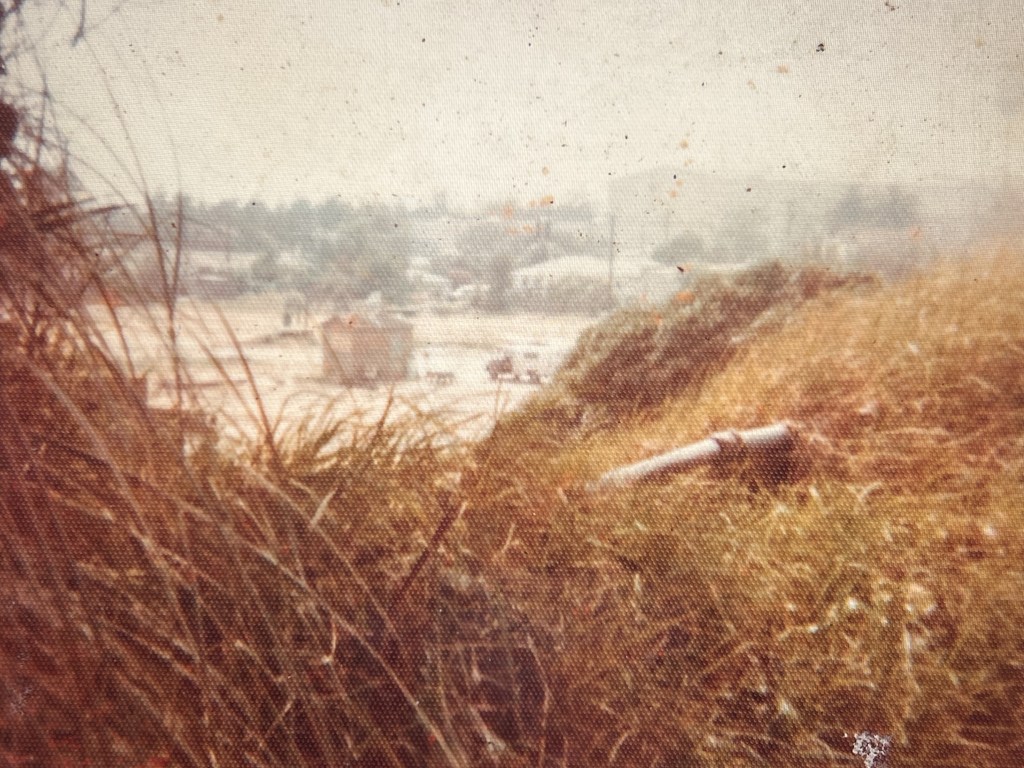
During the course of filming, a decision was made to take advantage of flooding in central California. The opportunity for spectacular footage of the surging San Joaquin River was too tempting to resist. The female lead was still in training and refused to enter the raging waters. “Pal” saved the day.

A Star is Born, the sequence of shots involves Lassie swimming the river, hauling himself out without shaking off, attempt to crawl, then finally, lay on his side motionless. Lassie successfully completed the task all in one take shots, prompting director Fred Wilcox to-” tear up.” In response, the producers let the female lead go and the male legend “Lassie” was born.

Female Collies shed more than males. That too was a noticeable problem with her coat disappearing as the weather warmed. From this point on this series would have a male lead. The first six weeks needed to be reshot. MGM decided to upgrade this film to “A” status. Technicolor would replace B/W. Publicity would promote this full boar.

In 1951, MGM felt this series had run its course. Following “The Painted Hills,” the studio “MGM” and Rudd reached an agreement, parting ways. Rudd would own Lassie’s rights. Television Producer Robert Maxwell convinced Rudd the future for Lassie would be television. They came up with a concept with a boy and his dog on a struggling farm in Mid -U.S.A.

Now casting begins, “Pal” would be the casting director, and whatever lucky boy has chemistry with our dog lead-“wins out.” Pal and Tommy Rettig bonded and two pilots were shot using Pal and Tommy. Pal, now double digits in age, was set to retire with his off-spring, Lassie Junior, ready to perform as series lead. He was three and had two years extensive training. After viewing the pilots, CBS added this series to its fall line-up.

Fast forward again-the 70’s;

Rudd worked with another aspiring legend named Frank Inn. Frank’s claim to fame was a terrier named Benji. Frank happened to be visiting a fellow trainer who lives across the street from me named Glenn, who assisted on the Lassie TV series. Movie Dogs often visited my neighborhood. One day Glenn called me over to meet Frank Inn and his little side-kick Benji.

The duo just returned from LAX from NYC. The trip originated in France, and Frank’s spirit was still up in the air. Air France flew Concord S.S.T’s back then, and the pilots on board wanted Frank and Benji in the cockpit. We are talking supersonic flying, this plane creates “sonic booms” when coming in to land. Benji opened this door of adventure for Mr. Inn. Frank was still “sky high” as he shared his story, while for Benji, it was just another day.

Animal handlers are absolutely amazing individuals. We take for granted these animal’s reactions in films. But these innocent creatures need non-stop acclimation to movie sets that are so distracting. So much can go wrong, especially with the exotic breeds. I have seen young lions brought on to stages, caged or chained, not to be in a scene, but to get somewhat used to all the lighting and activity without going wild. Training starts extremely young and being comfortable around so many humans in a film setting is not an easy task.

This series carried on so long, I worked on it at Universal. They produced the final series often using the Universal Backlot. They own the rights to it now, acquiring it from The Weatherwax family.

“Paws Up” to all the skilled trainers who have the ability to communicate with these extraordinary creatures.

Written and lived by…Donnie Norden.