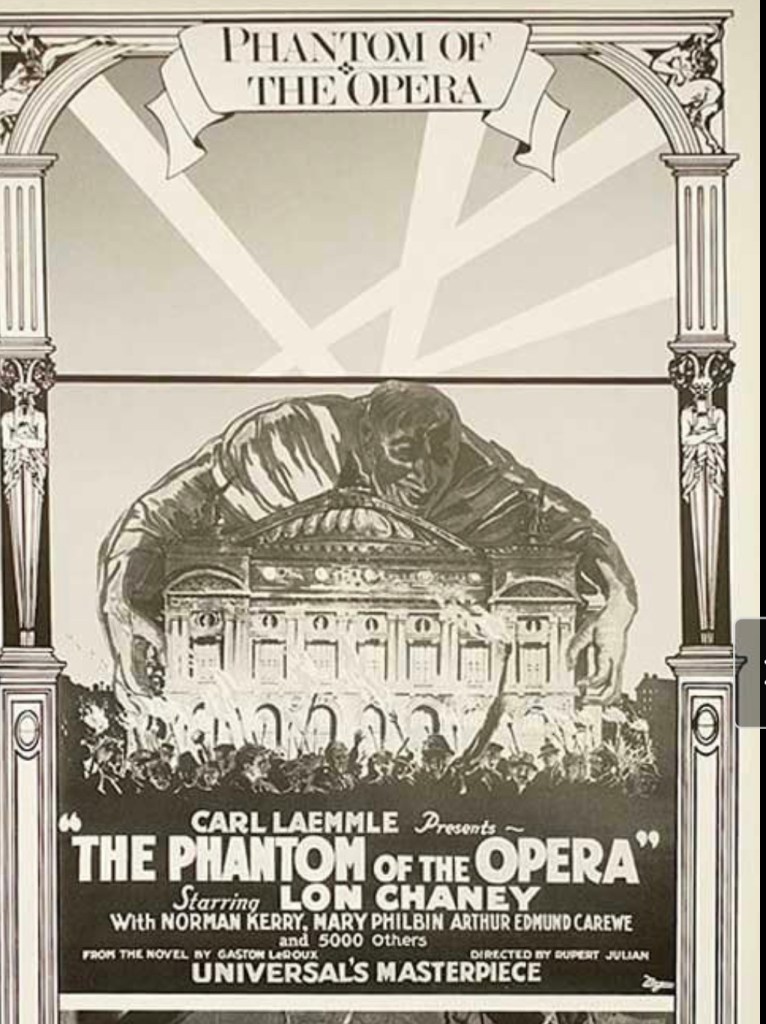

The Opera House remained forever after, built into the stage itself. No other stage on any studio lot has ever been named for one particular picture.
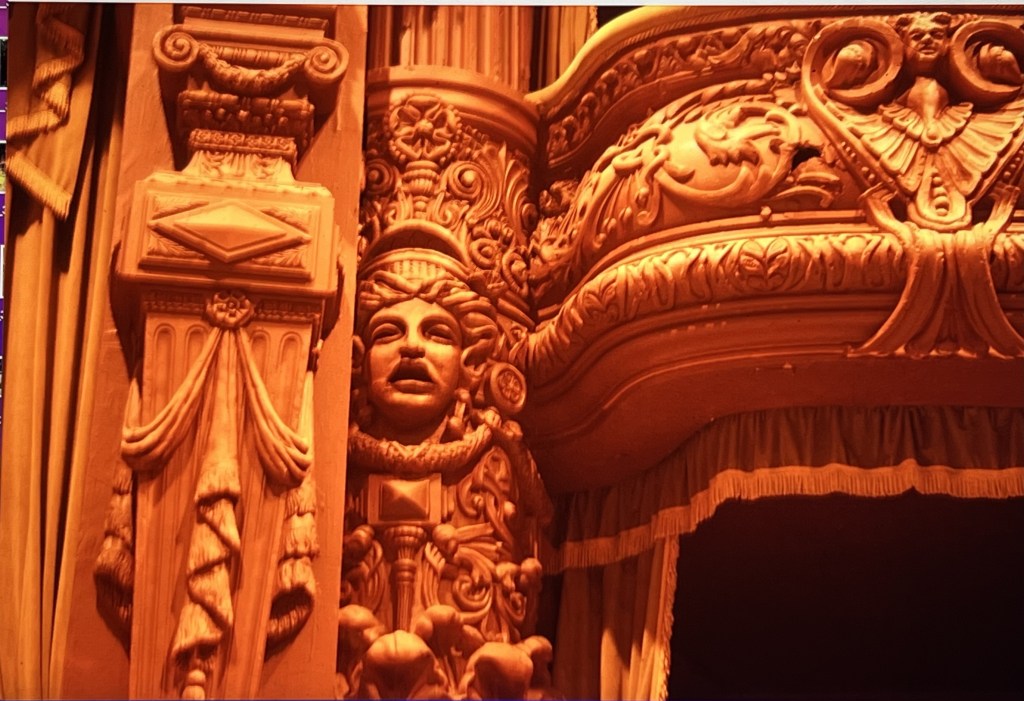
Close up of details inside the stage. This set aged gracefully.

The west side of the- Paris Opera House…Yours truly took all these color photos.

The opera set balconies only take up a section of this massive, elegant stage. This atmospheric location mesmerized the creative minds of film makers and was a most popular destination for filming. If any stage is haunted...it’s this one.
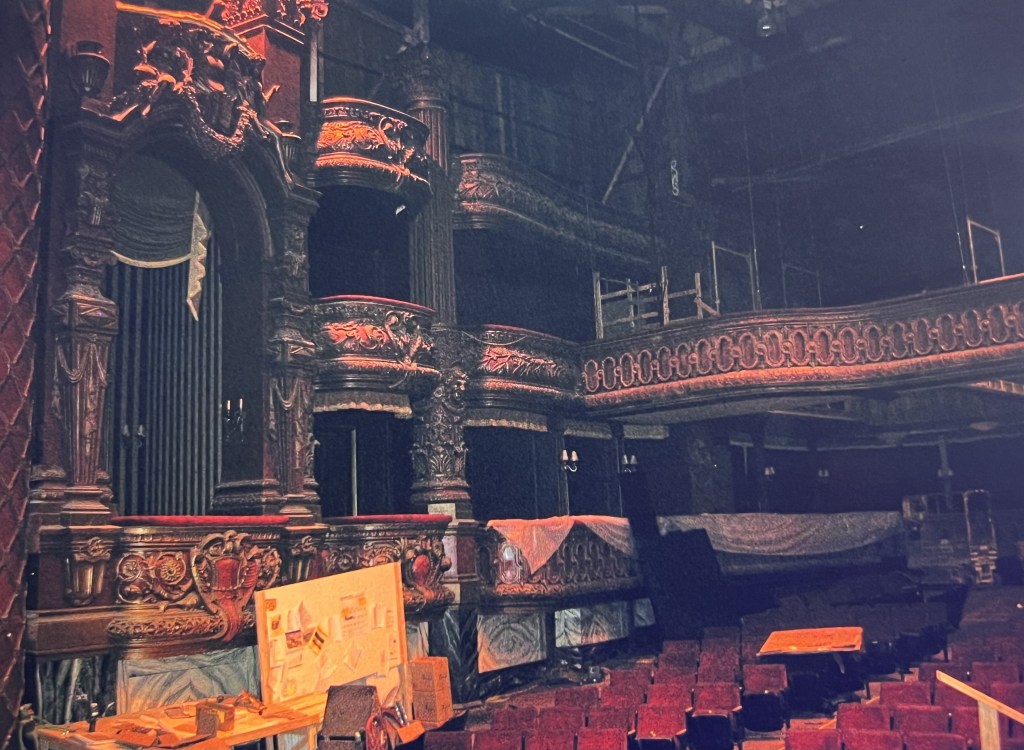
The opposite side “east” on a different day. Movie Caterers use this stage to feed the crew on large shows when it doesn’t have sets in the way. Workers know to go upstairs into the balconies to catch a “cat nap.” Some balconies have hammocks strung inside.”
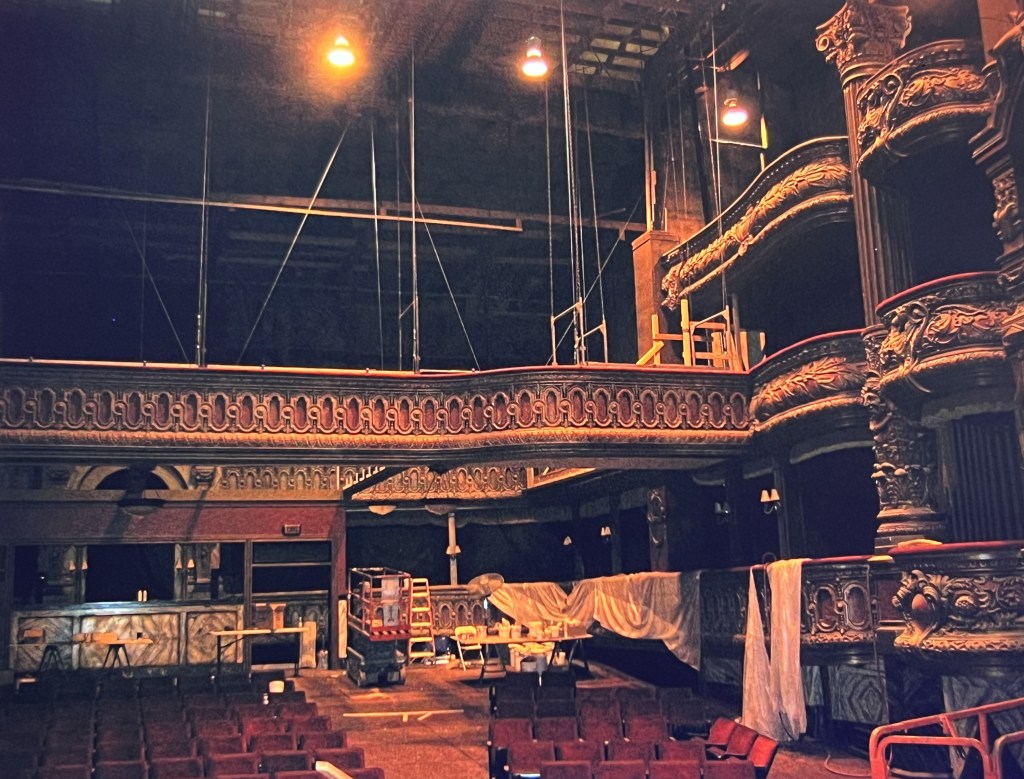
Center of Opera House. Two massive “elephant doors” are located just behind this Grand entrance. The engineering of these doors was simple and effective for eternity. First you pull a hanging chain that raises it off the floor. 2 inches is all you need, these doors are heavy. Then a wheel the size of one found on an ocean liner is turned for travel, opening the door. There are 2 sets of these and this is how shows “load -in.”

Behind this curved entranceway are 2 large square ‘Elephant Doors.” Like a funnel , this opera set doorway restricts what can load in through here. The outer doors being much bigger. Another set of these “Elephant Doors” sits unobstructed on Southside of stage and is where “big stuff” enters inside.
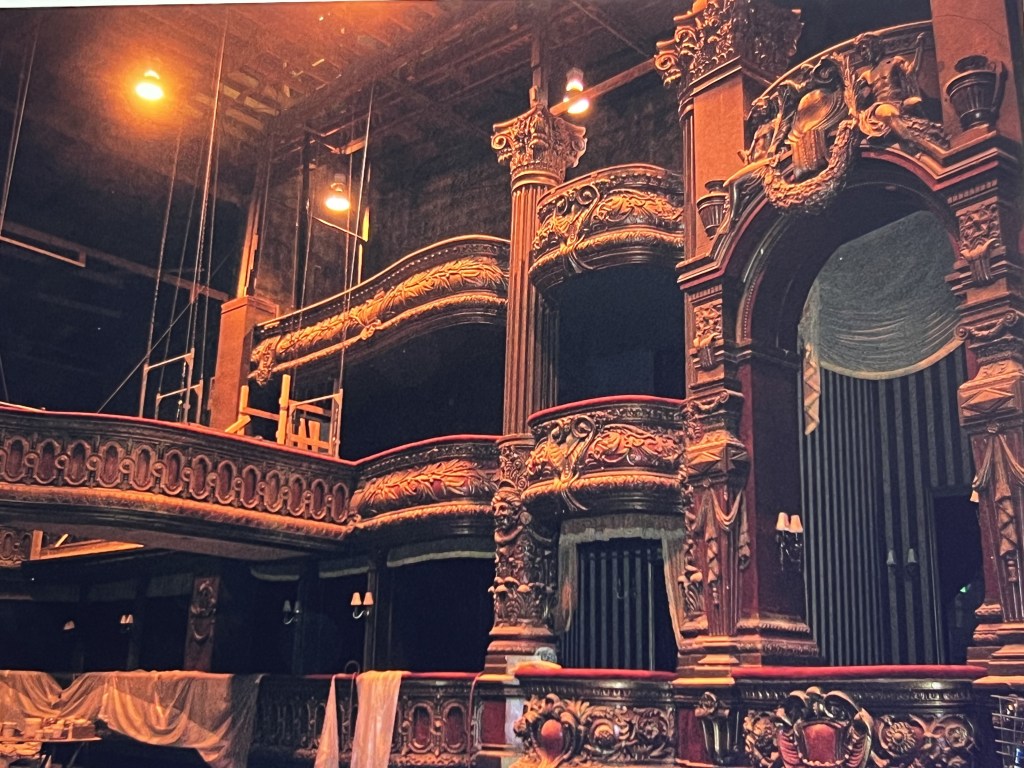
West side of Opera House

The Real- Paris Opera House this was copied after.
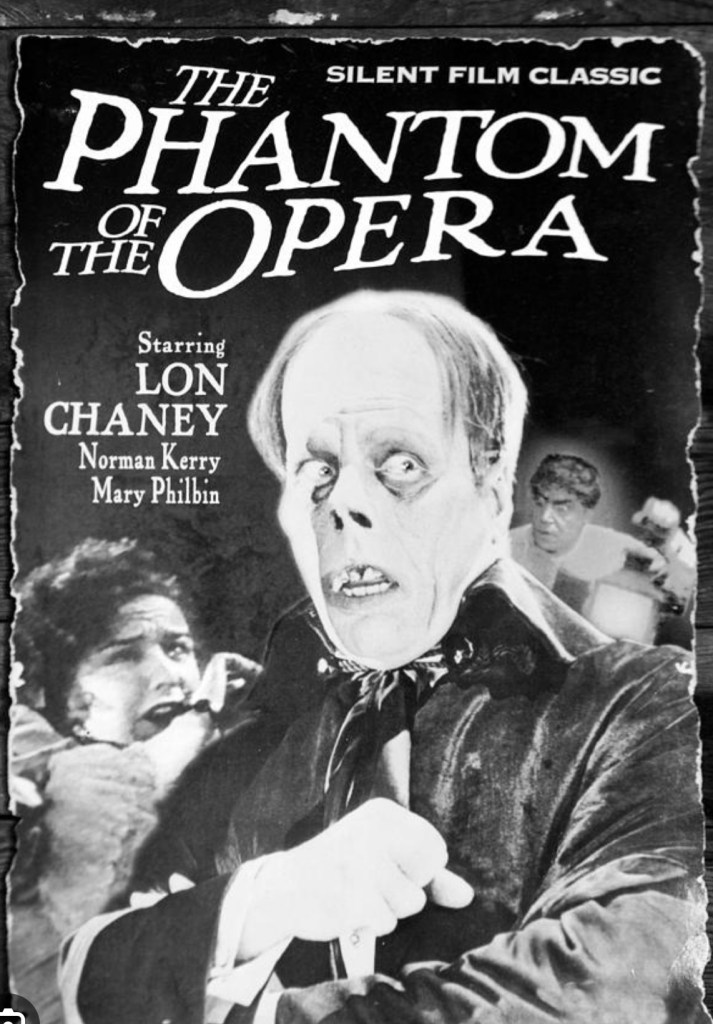

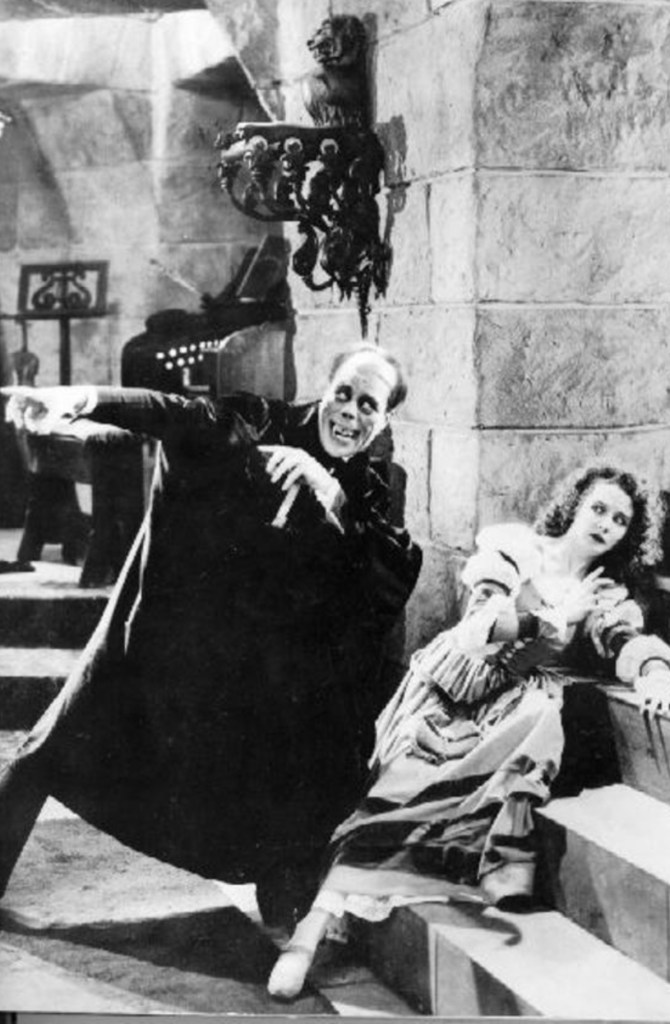
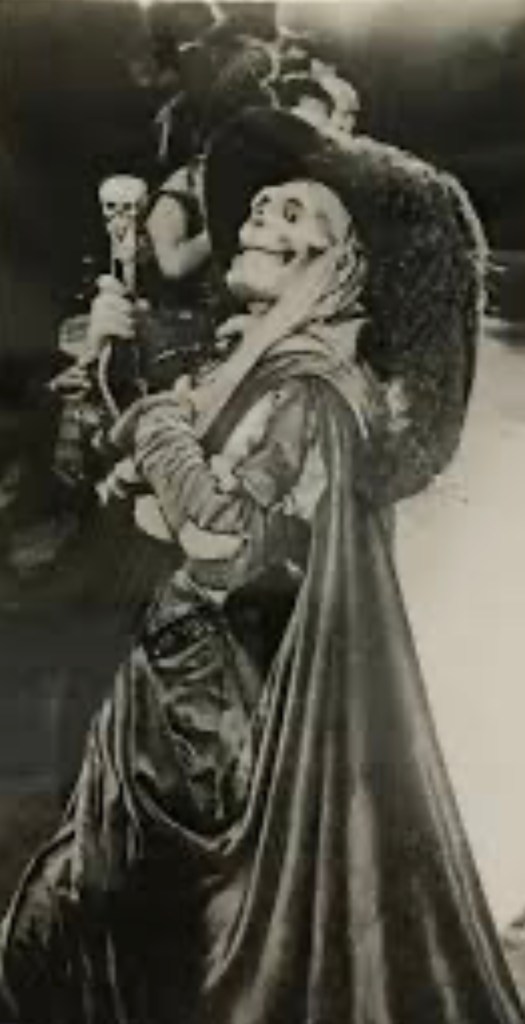
Horror movies is where Universal sets itself apart from other studios. The Studio where Monsters roam free.
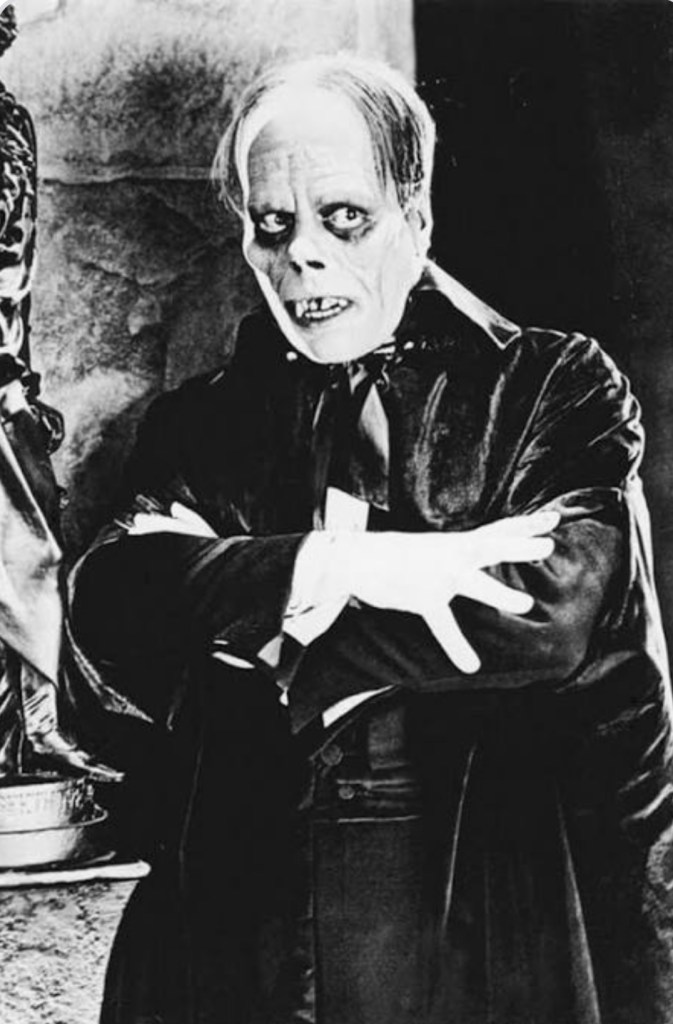
“She’ll like me after she gets to know me.” Ghoulish fun never sleeps…

Make-up time-Chaney‘s horrific self-applied make-up was kept a studio secret until the film’s premiere. Rumor had it that Christine’s (Mary Philbin) reaction to the unmasked Phantom was real-she had no idea what he would look like until the moment he was unmasked.
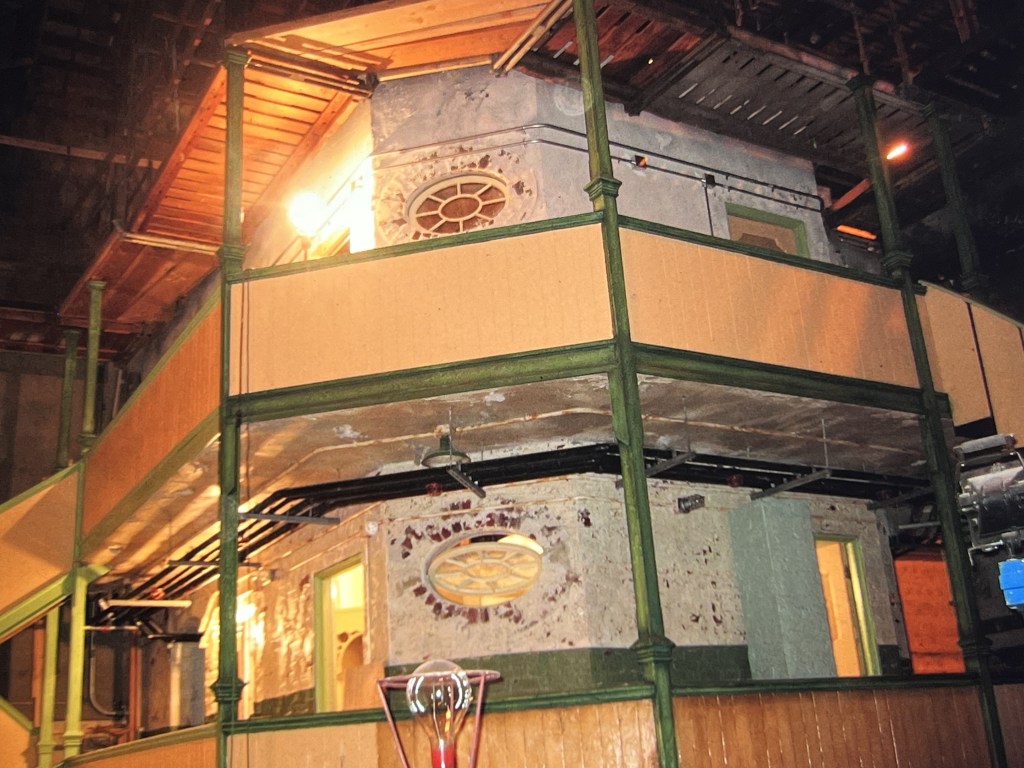
This stage usually ends up with Blockbuster films. Here is a set from The Muppets.

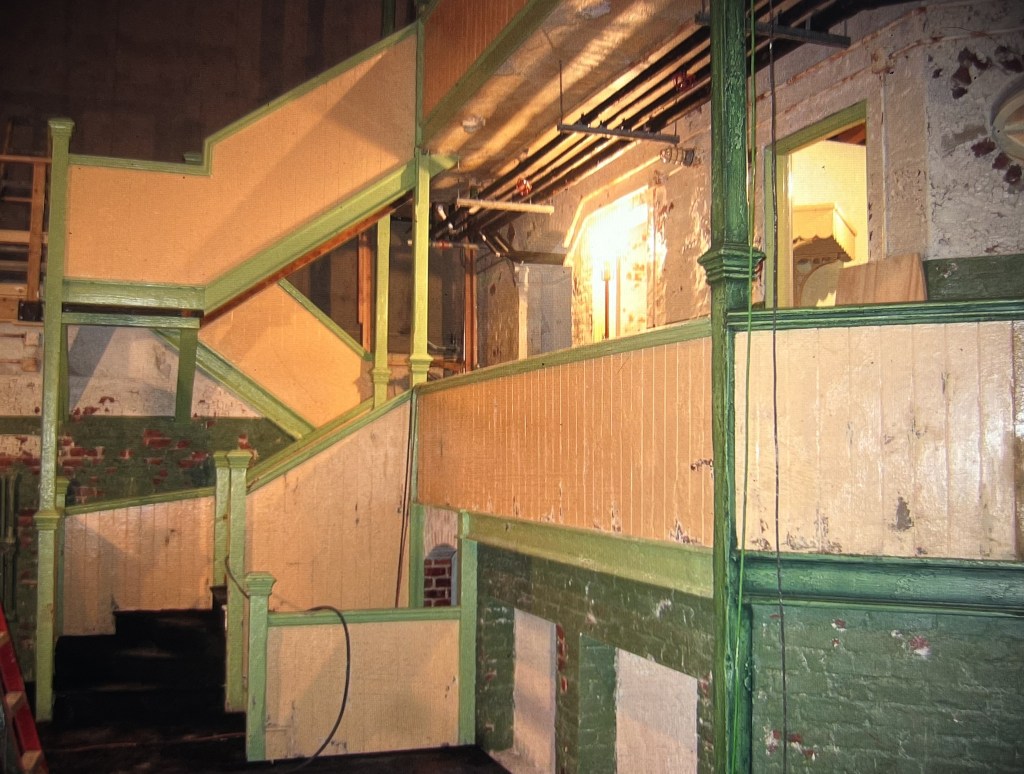
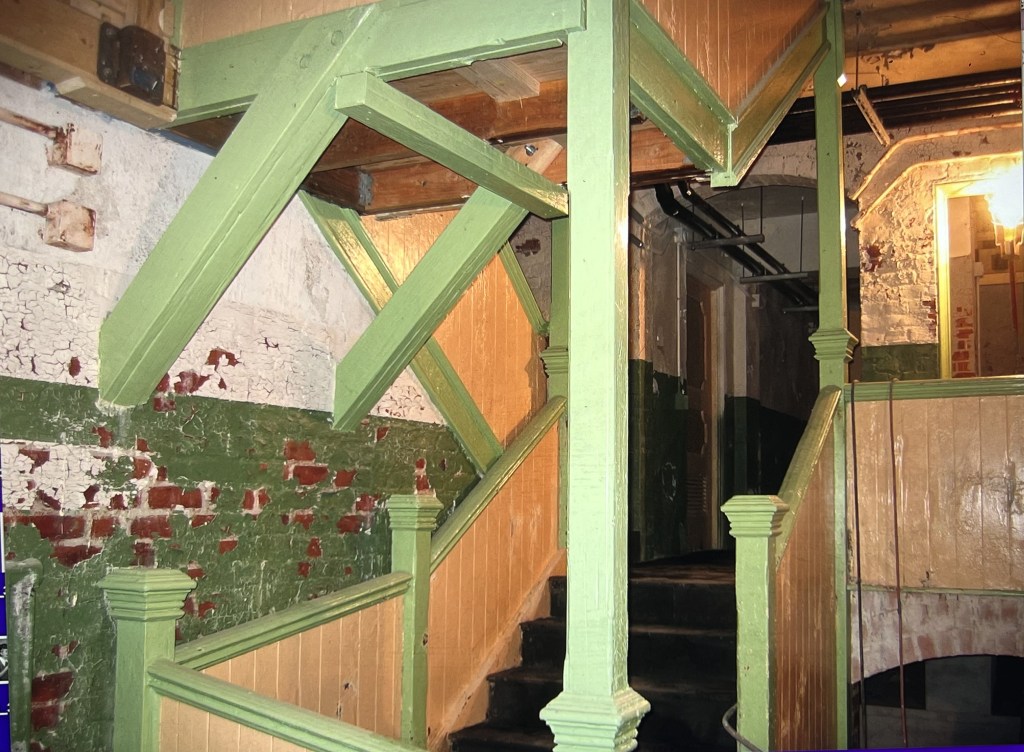
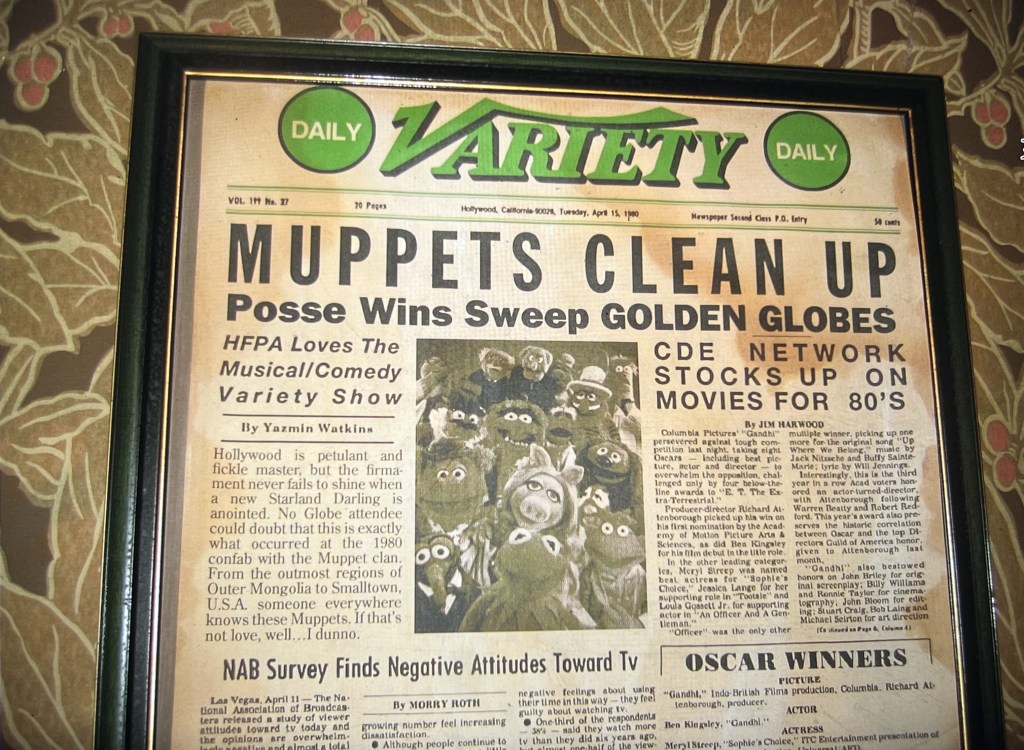
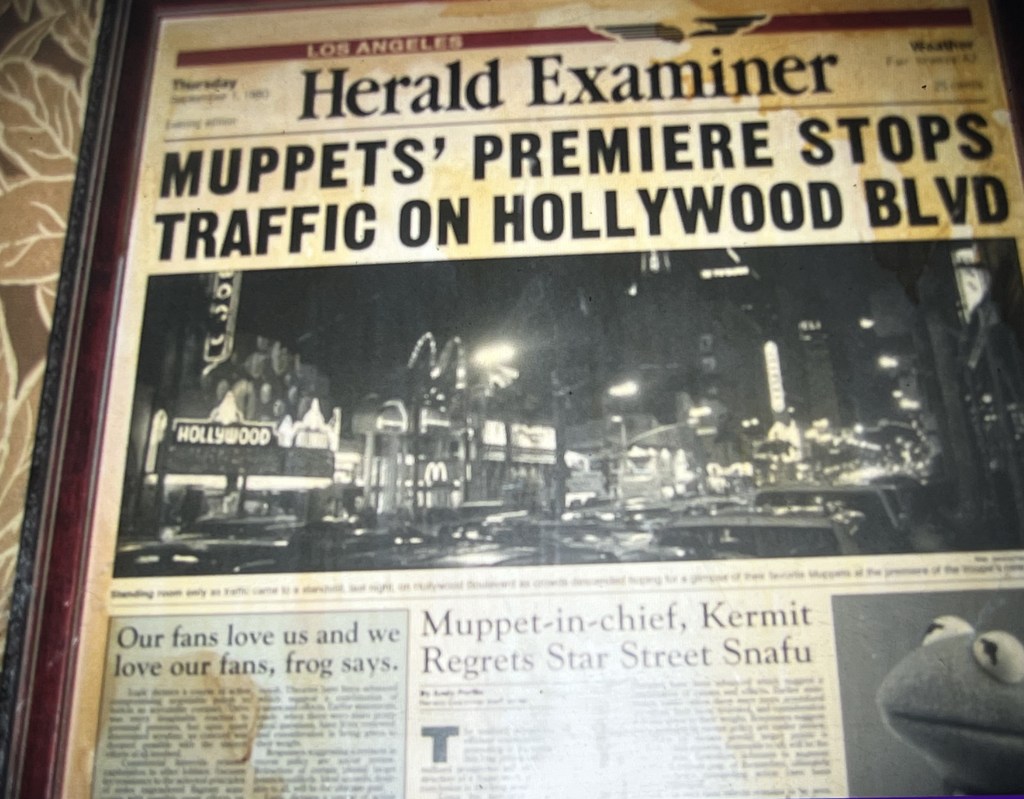
Hardly confused with Monsters, these Muppets had a certain je ne sais quoi that made them very likable. Jim Henson’s puppets were a sensation and became quite the ticket. This Backdoor Stage set was built on Stage 28, by the real backdoor of the actual Stage. Parts of Hitchcock’s Psycho was done on this stage as were scenes from the original Dracula.
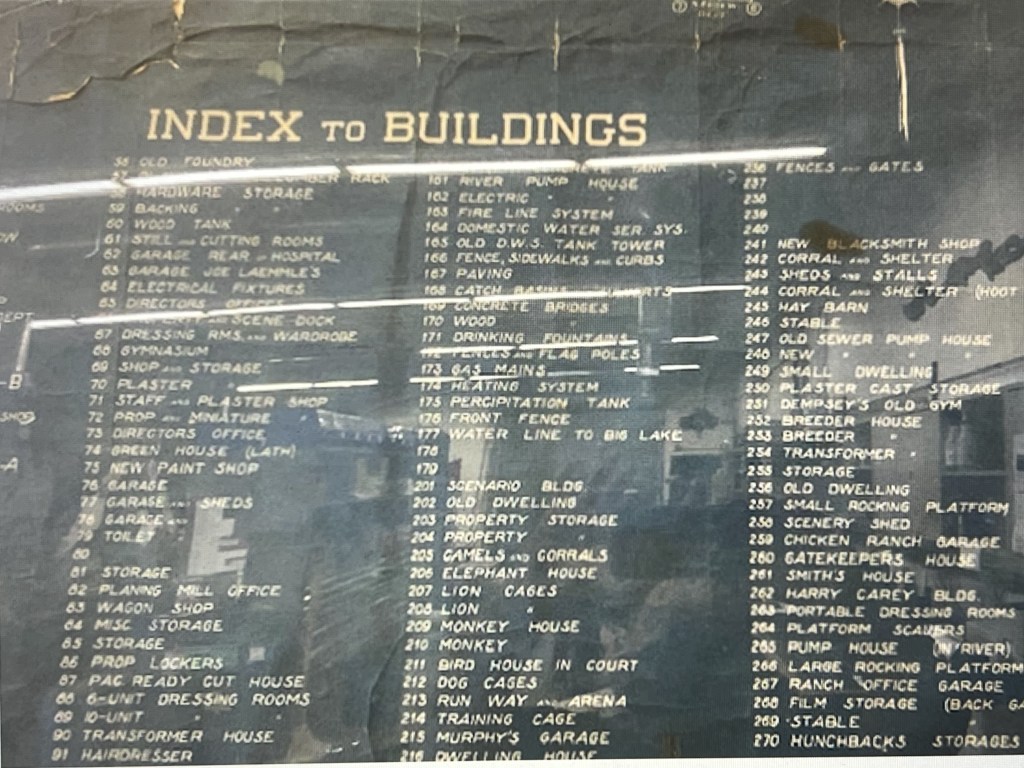
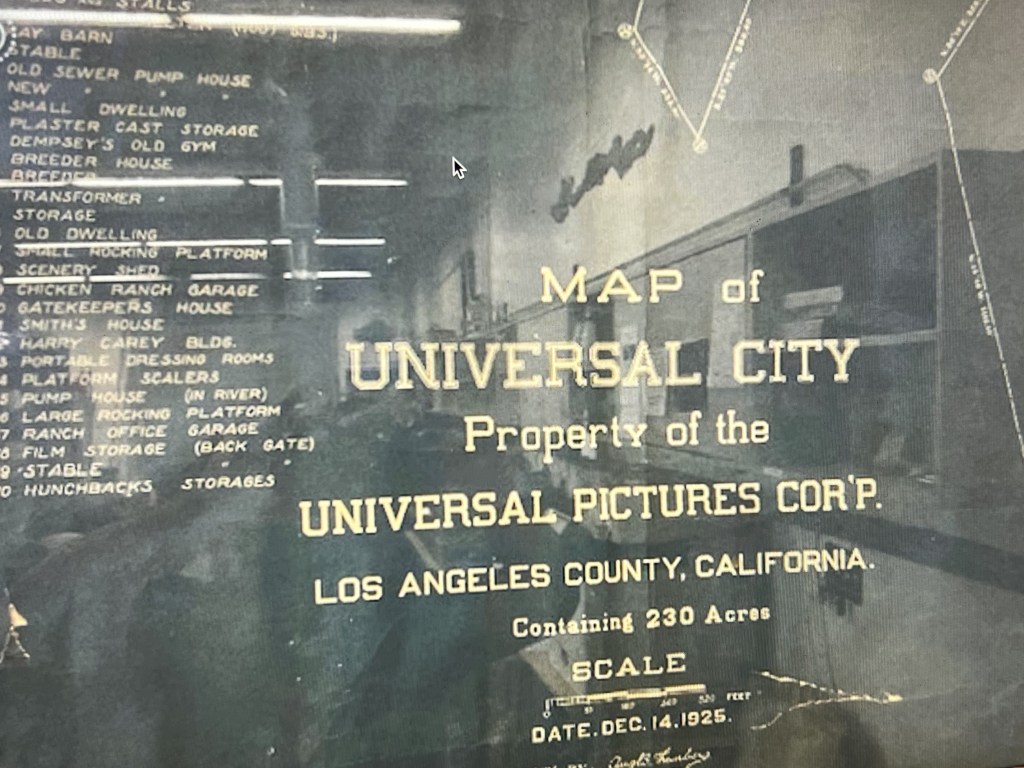
Building index…Dec, 1925. A mere 230 acres would expand to 470 acres.This was official Studio map dating back to the making of this film.
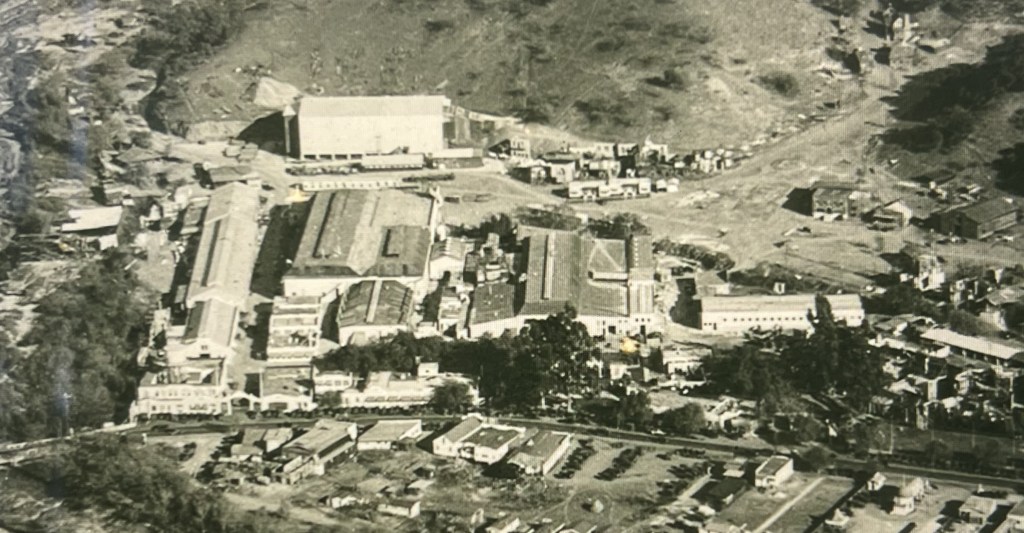
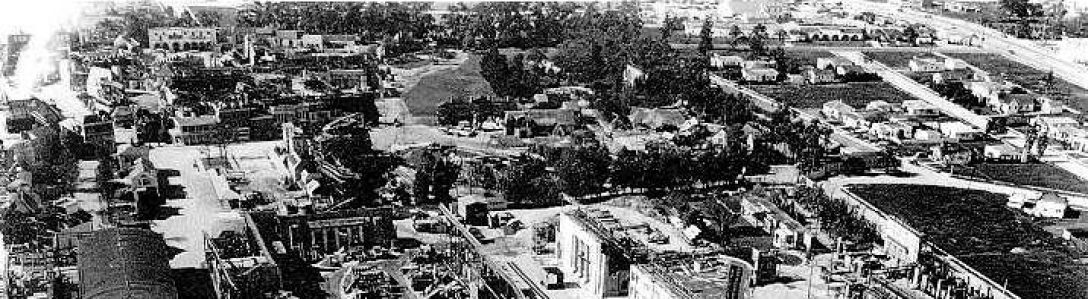
Big stage, top of photo–The Phantom Stage. Picture taken in 1920’s.
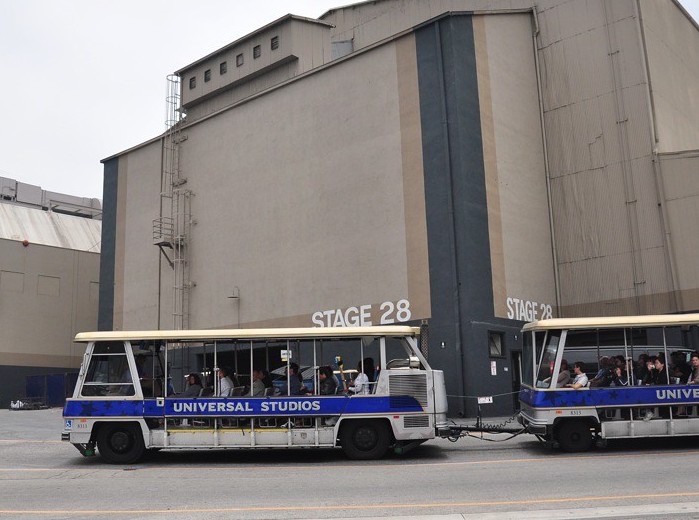
An entrance into the catacombs below the stage is located here. A metal stairway just out of view walks you up into the stage floor. Just behind this tram is a set of tours that take you to the catacombs below the stage floor. Frighteningly haunted, like the skulls under Paris. It’s proximity to tours that sealed its fate. Before Transformers was put in, the animation next door was “Backdraft.”
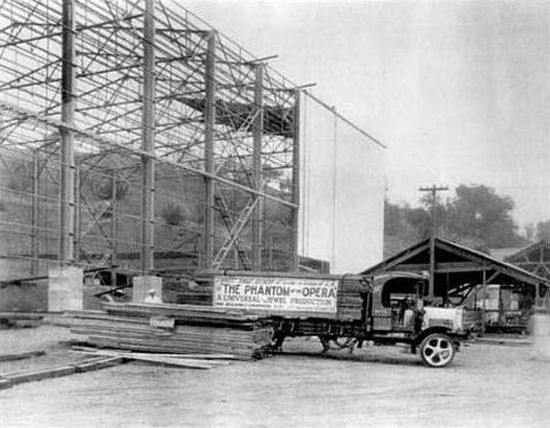
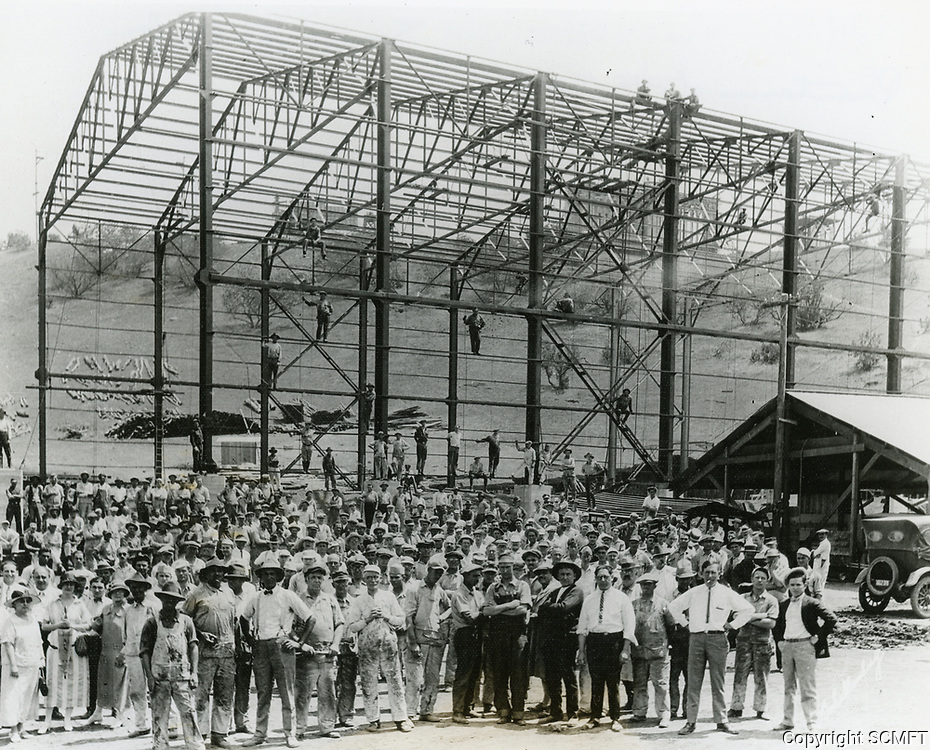
A Stage built with a plan…

Finished product-A Masterpiece!
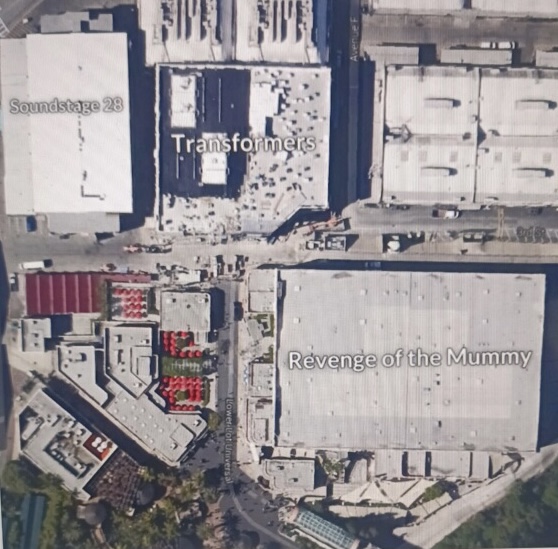
Phantom Stage 28-left of “Transformers Stage”. formerly “Backdraft.’
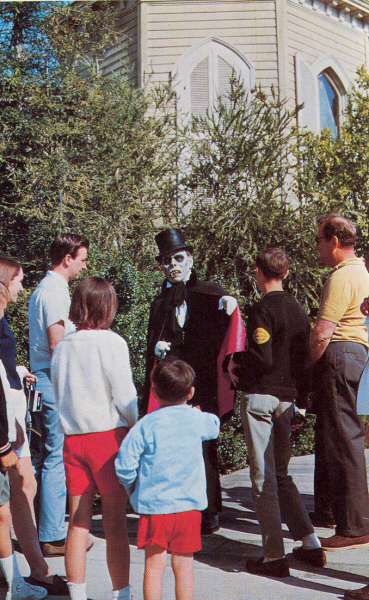
The Phantom will never completely die and is a fixture at the tour to greet tourists.
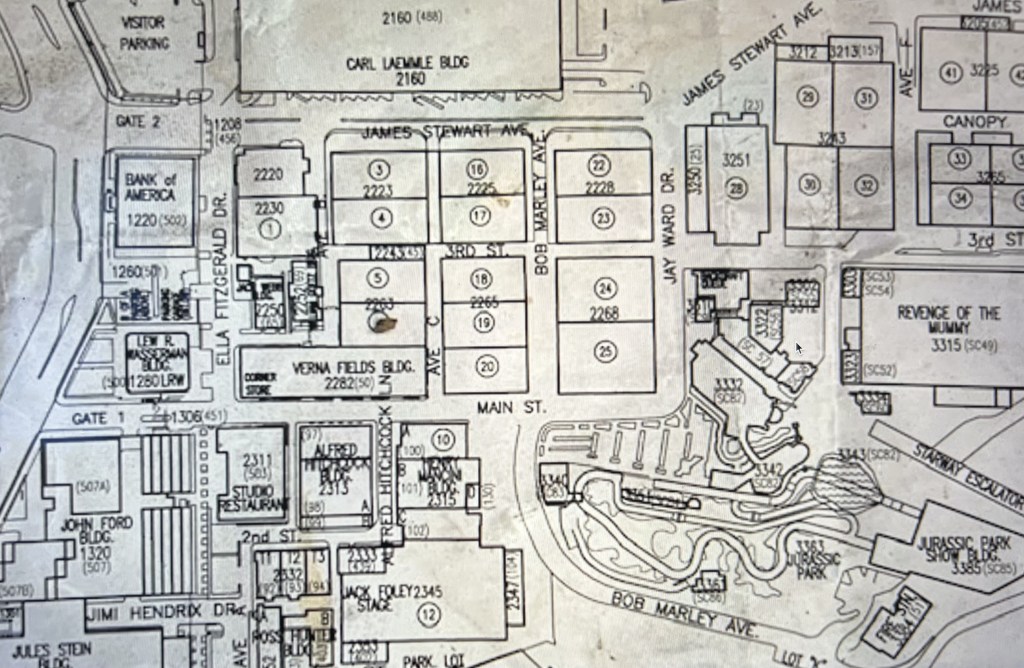
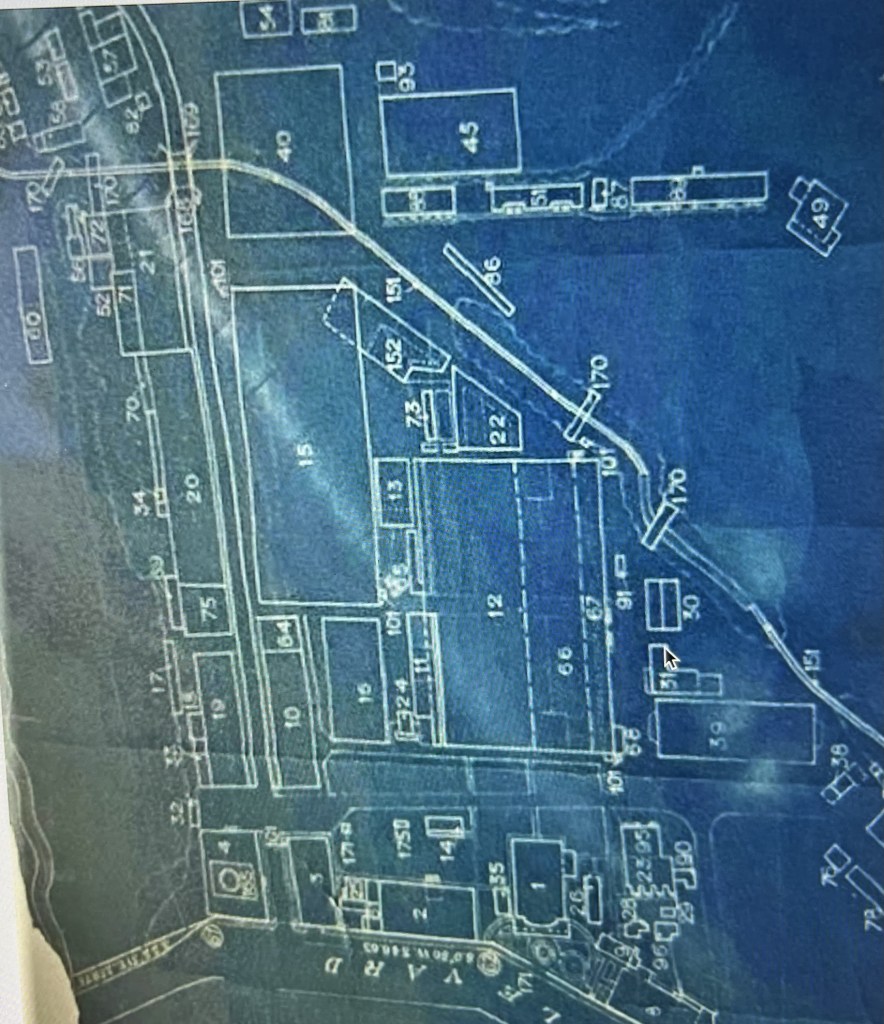
Building 3251 is Stage 28, left photo. The right is a bit tricky. #45 is, I believe, Stage 28. Stage numbers change over years and the entire studio has recently been renumbered. More interesting is a creek working its way through the lot. The L.A. River had not been cemented yet by the Army Corp. of Engineers at the time of this original map, so a stream cuts through the lot. Bridges are needed to cross, identified in numbers by #170.
The Phantom of the Backlots walks the same footsteps as The Phantom of the Opera…
This story began a long time ago on a Stage we called # 28, on the Universal Studios front lot:
In 1925, Gaston Leroux’s 1910 novel Le Fantome de l’Opera was adapted to silent film which was directed by Rupert Julian and starred Lon Chaney as the deformed Phantom who haunts the Paris Opera House, causing murder and mayhem in an attempt to make the woman he loves a star. Carla Laemmle, niece of Universal founder Carl Laemmle, played the role of “prima ballerina” when she was 15 years old, and was the last surviving cast member that graced this truly “haunted stage.”
This film premiered at the Astor Theater in New York on September 6, 1925. The final budget…$632,357. Box office return-$2 million.
Lon Chaney, Ernst Laemmle, Edward Sedgwick all assisted in directing with Mr. Julian.
This story actually begins in 1922 when studio founder Carl Laemmle, took a vacation to Paris. It’s there he met Gaston Leroux, who was working in the French film industry. In a simple remark from Carl about how much he admired the French Opera House, Leroux gave Carl a copy of his 1910 novel. Upon reading it in one night, Laemmle bought the film rights. When Rupert Julian was first presented with the script, he simply said “Lon Chaney or it can’t be done.”
Next, Universal needed to recreate this legendary, most opulent playhouse. Stage 28 was big enough to capture it in all its grandeur. Ben Carre, a French Art Director had worked at the opera and was familiar with the novel was signed on. 24 charcoal sketches later, the studio recreated all the Paris stage areas. Tres magnifique! After filming ceased, this legendary set was not torn down-due to how it was built. Partially into the walls of the stage. It became a fixture in all the decades of film to follow.
This stage and Opera House lasted over 100 years! Sadly, we would have to say Au Revoir in 2021 when the stage was torn down in its entirety. Employees at the studio had their hearts broken. This place was revered like your wise, old, debonair relative…The One who’s seen it all!
No stage in Hollywood had the charisma this stage presented once you opened the massive elephant doors. I was blessed being one of a select few who had the responsibility, of both “waking-up,” and putting this stage “to sleep.” I had a full access pass to a temperamental entity, that was state of the art in the 20’s but far from that in the modern age of film making. Learning both the stages strengths and weaknesses, I was able to quickly decipher what would be needed to facilitate today’s Blockbuster films.
This stage was in continuous use and became a destination for top directors such as Steven Spielberg, Ron Howard, Gore Verbinski, and John McTiernan, to name a small few I worked with. I saw this stage in its most private moments, as the lights were shut down after a long day of filming. Only for a brief cat nap before the next long day. I shared 35 years of this enjoyment.
I had a material lock up underneath the stage that was like the catacombs under Paris, France. Instead of skulls, we stored lighting equipment. Until you could hit the light switch, this part underneath the stage floor was even more spooky than the Opera House above it.
The stage exterior was nondescript. Corrugated steel serves as a top protective layer to the iron framing, wood, thick soundproofing, and plaster. If you were ever on a tram tour, you passed along western border. VIP tours could go inside based on availability, but not when filming is taking place.
My Memories…
Where do I even begin? Spectacular sets were built inside this massive stage that had a pit which could be filled with water. The TV Series seaQuest, starring Roy Scheider, used this stage for many aquatic scenes. I was amazed by robotic Dolphins, built by Special Effects. They were so real down to their skin.
Jurassic Park, directed by Steven Spielberg, transformed this stage into a jungle complete with pre historic creatures, with the Opera House area used for video village, craft service, story boards etc.
I blew wind in Captain Jack’s face on the bow of a Pirate ship (with a Ritter fan of course). Johnny Depp and Orlando Bloom sailed- set against a Green Screen.
I had lunch with Indiana Jones on the Crystal Skull. Stage 28 was being used as the catering area. He was in full costume and I had a hat I wore similar to his-he signed mine, as did practically every star on our lot. Sadly, that was stolen out of my car, it was one of a kind. We conversed about another film, years before we were on…Blade Runner. A true Gentleman…Mr. Harrison Ford.
Another Gentleman wore number 18 and played on the Indianapolis Colts, Peyton Manning. My son Hudson came on set with me to meet this Hall of Famer, my boy was a QB on the Venice Bull Dogs, who idolized this man. Also, a shout out to ESPN’s Chris Berman, who was like a big kid, we toured the lot together.
The stage would become French- Quebec style- once again for the traveling Cirque du Soleil. This troupe rehearsed their acrobatic, gravity defying, dance performing ensembles for 3 months on our stage. I enjoyed trying to communicate with this entire French speaking group. I found common ground talking Canadiens de Montreal hockey with my friends from the Nord-du-Quebec.
Final Thoughts…
The Opera House was the most iconic set of all I’ve ever set eyes on. I’ve climbed through part and parcel, running power usually. The curtains in the balcony seating areas were original. Some being see through, others a thick velvet with one thing in common… a century of dust. A stairway took you upstairs on each side of the Opera House for your journey into the past. With the stage empty and very dimly lit, this is when the spirit world is most active. A very soundproof stage can at moments-come to life in all its whimsical delights, with no time boundaries or restraints. Just yours to enjoy for eternity.
This stage was demolished for the Studio Tour and some Mario Brothers Playland.
I’m sure Carl Laemmle and Lon Chaney rolled in their graves as 28 came crashing down... I know I cried, I lost a big part of me!
Silence…Fade to Black
Written and lived by…Donnie Norden

 Phantom of the Backlots
The opera boxes are still at Universal in a warehouse on the Lot. I learned this recently from someone who works at the archives over there. However, the suits are looking for ways to get rid of them because they are taking too much storage.
Sent from my iPad
DMHaase
Gone Gone Gone…NBC does not care. Most recently, UNIVERSAL CITY sign removed that overlooked SF Valley. But they do have a crashed Glamour Tram covered up from a tour that injured 12 people, hidden away. Cheers Darryl
Hollywood is an awful place. I realize that now more and more since I’ve left.
Take the money and run is how it works today. No more Moguls who have pride in their studios. Chopped liver productions….
Awesome, thanks Donnie.
Thank you – I knew you would like it Gordon!
Sent from my iPhone
<
div dir=”ltr”>
<
blockquote type=”cite”>
WE at Hollywood Heritage were in meetings with Universal studio officials about saving the Phantom set someway. After months of meetings it was agreed that Universal would pay for a lazer mapping company to map the exterior, interior and the Phantom set for future re-assembly of the pieces of the building and the set.
After that was done, they carefully numbered each part of the corrigated steel building and the Phantom set and put it in storage.
When they took the parts away to storage, that’s the last I’ve heard of it.
I will check with the Art Director’s Guild of which I am a historian, and see if Stage 28 is still there and when and if they might re-assemble it on their new back lot??
You will never see it, NBC does not care. Universal City sign has now been removed, overlooking the San Fernando Valley. Cheers Mark