The Secret is Out…
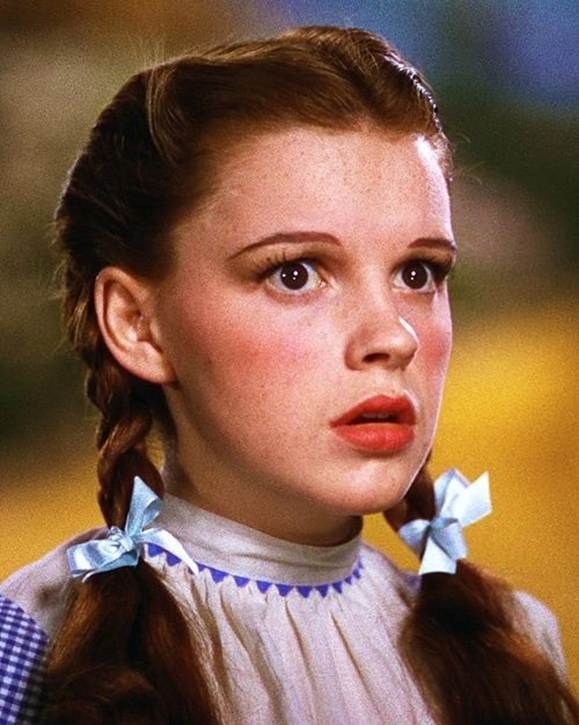
Judy Garland has now been confirmed as a former owner of the Marion Davies portable make-up trailer.
Many exciting discoveries have emerged since my last post about the Marion Davies portable dressing room that I unveiled from a Culver City backyard. (See my YouTube on The Phantom of the Backlots site.)
For example, affirmation from newspaper articles revealing that Judy Garland once owned this trailer and used it during the first three months of filming The Wizard of Oz! The Ruby Slippers may very well have clicked their heels in this magical dressing room.
The trailer was originally built for Marion Davies during “Beverly of Graustark” for MGM. It was publicized as being beautifully decorated with furnishings and taffeta pillows of rainbow colors.
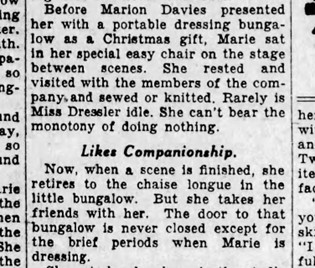
Marion formed a close relationship with Marie Dressler, another of MGM’s biggest stars. Marion decorated the trailer in blue and grey and gifted it to Dressler after filming “The Patsy”, who entertained and lounged in it for several years. Marie held court with many MGM co-stars like Norma Shearer, Rudy Vallee, Jean Harlow, Maureen O’Sullivan, Jack Benny, Robert Young, Hedda Hopper and of course Wallace Beery.
After Marie’s death, the make-up trailer was auctioned and the winning bid came from Marie’s longtime friend, May Robson. Robson was another big star at the time!
Next, it was given to Judy Garland (described as her first “grown-up” dressing room.) Judy would only use this portable room for a year. She was given a new trailer by MGM in December of 1938. At the ribbon cutting, Judy is said to have given out autographed pictures to the cast members of The Wizard of Oz.
Its final destination was the backyard of Fred Trowbridge, an actor and friend of May Robson. Fred appeared in all of May’s stage plays and helped manage her affairs when May got older. Fred adopted and had the trailer moved to his backyard at 9024 Lucerne Avenue in Culver City, where it sits today. Per telephone book listings, Fred appears to have lived at this residence from 1936 through at least 1956. The trailer could have been set in its present location as early as December of 1938 (when Judy vacated it).
Speculation: If this trailer was moved to the Lucerne address, which butts up to the 40-acre lot (and at one time was part of the lot) this dressing room/make-up station would surely have been in demand by the studio for touch ups or relaxation during the time of filming on “Gone With the Wind.” With so many stars and featured players on “Gone With the Wind” at one time, available portable dressing rooms were at a premium and hard to find, especially on the backlot. Saving time by saving actors precious steps to their dressing rooms, was a necessity.
A quote from Margaret Mitchell’s Gone With the Wind seems appropriate: “Perhaps-I want the old days back again and they’ll never come back, and I am haunted by the memory of them and of the world falling about my ears.”
Of all the amazing experiences I have had, both trespassing and in my long studio career, this is the most sensational item I have ever come across. Plus, it’s the ultimate studio game of CLUE. I get chills looking into the soul of these mirrors. They stare back with a depth and richness that only history can create. I feel it was my calling to save this unit from the claws of developers at this corner.Written and lived by Donnie Norden and researched with a little help from my friends, Mike Escarzaga, Maureen Miller and Henry Tegeler
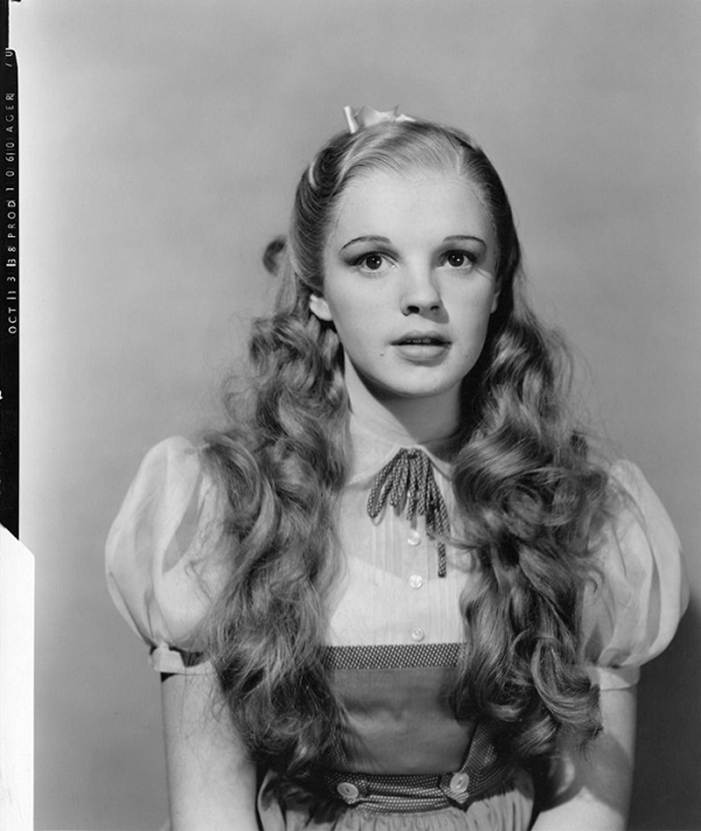
How did I get here? Read on to retrace the steps of the most iconic trailer in Hollywood. An early still taken October 13, 1938 when Judy occupied the Marion Davies portable makeup trailer. They would go with shorter hair during the filming of the Wizard of Oz.
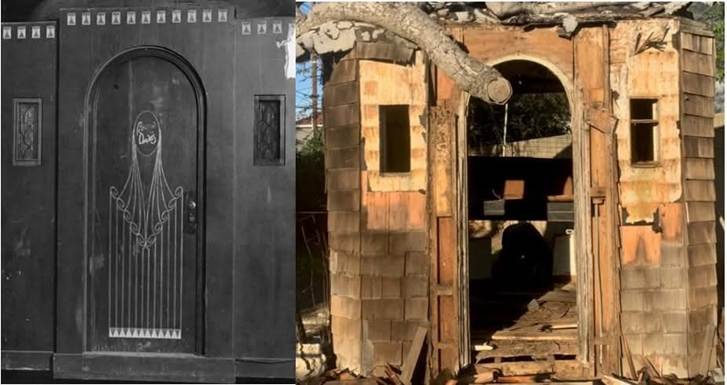
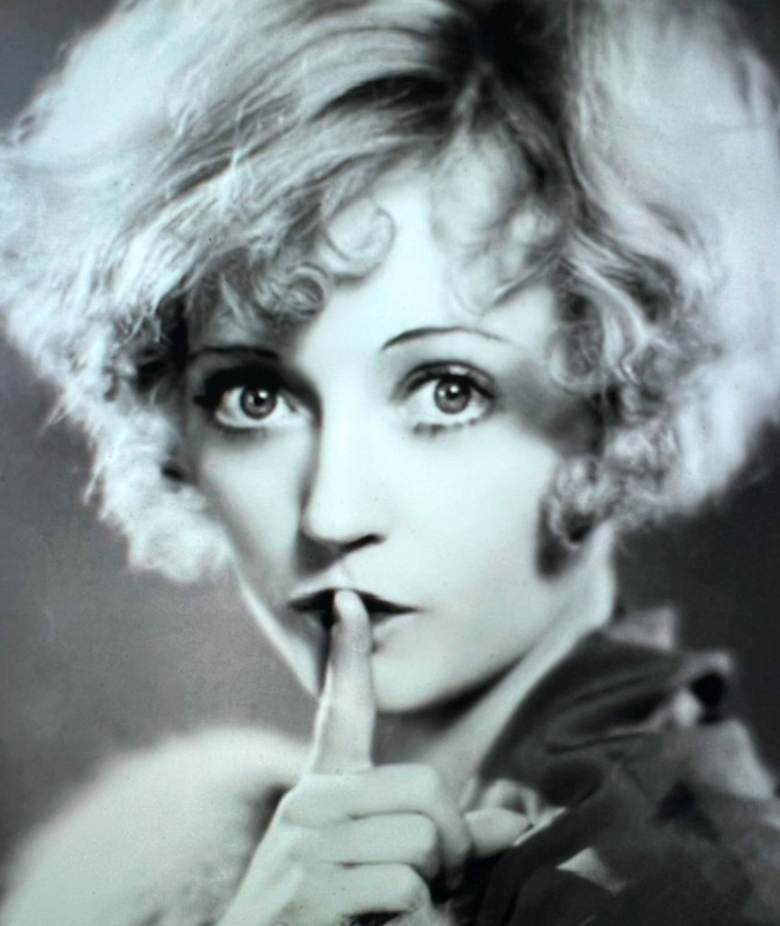
Marion Davies trailer in 1925 and the makeup trailer today. In 1925, Marion Davies is presented her new portable dressing room during the filming of “Beverly of Graustark”. She would go on to use the trailer for “The Red Mill”, “Tillie the Toiler”, The Fair Coed”, and “Quality Street”.
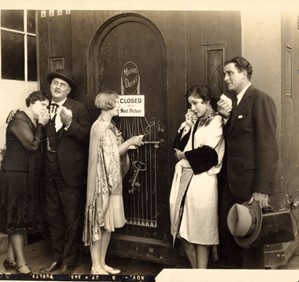
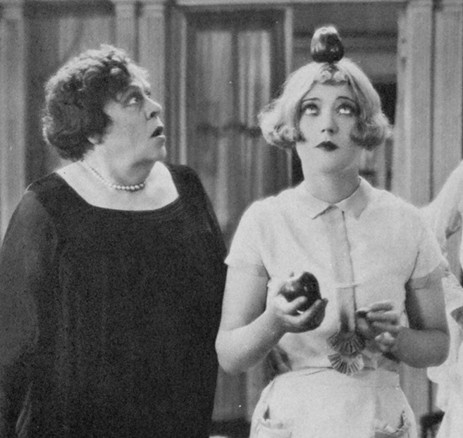
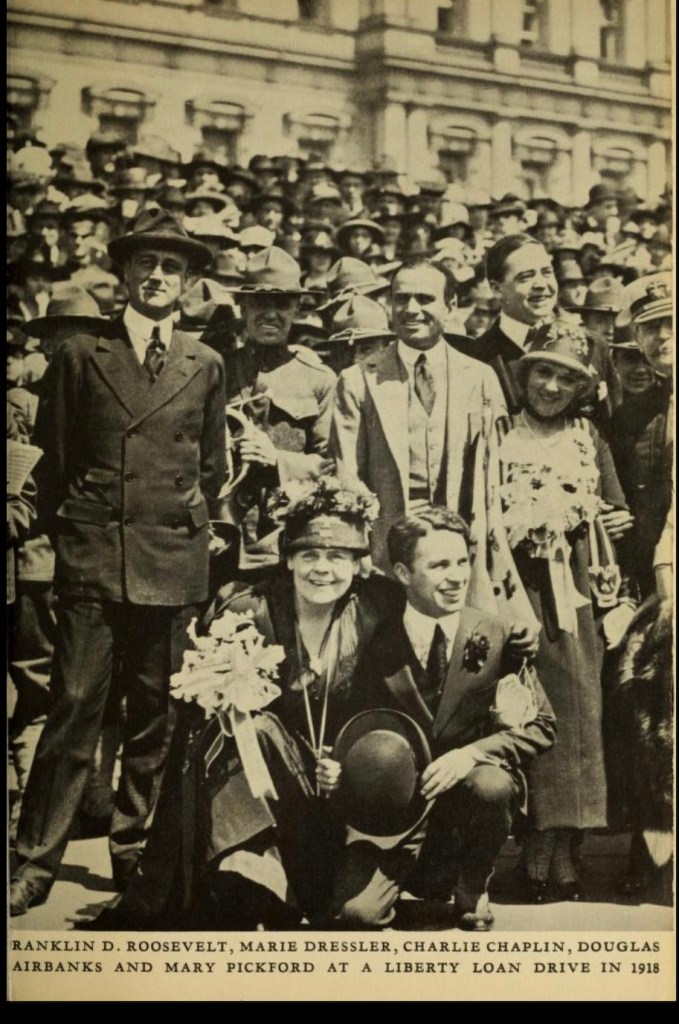
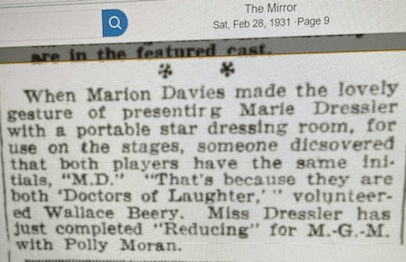
Marion Davies and Marie Dressler in front of the trailer during the filming of “The Patsy”. December 25, 1930: Marion Davies gifted her portable dressing room to Marie Dressler after filming “The Patsy”. (The Mirror, Feb 28, 1931, page 9). In 1928, Marion would star in “Show People” which good pal Charlie Chaplin made a cameo appearance in. Marie Dressler co-starred with Chaplin in his first feature film at his Keystone Studios. “Tillie’s Punctured Romance”, 1914.
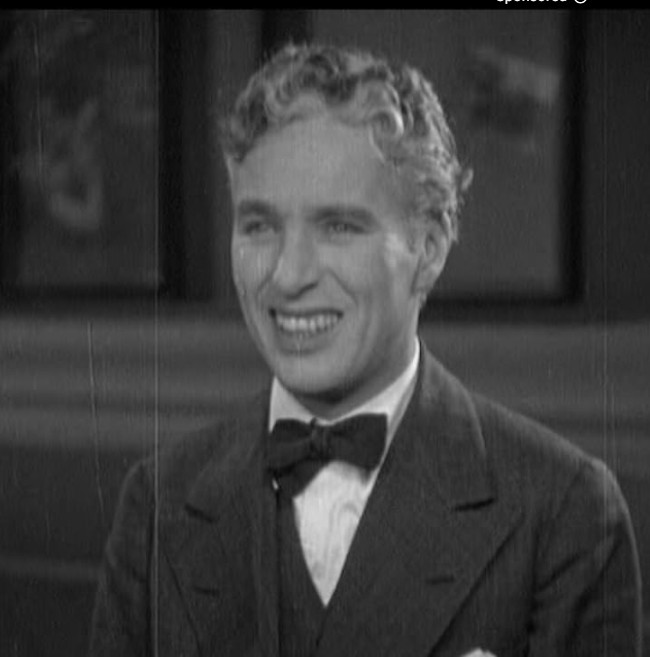
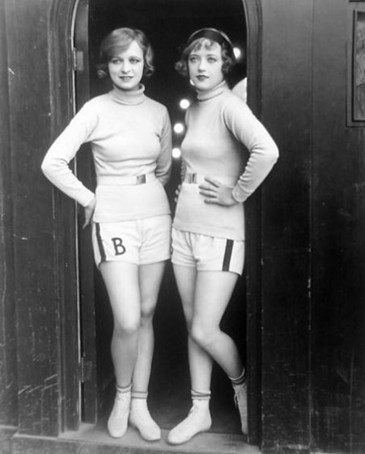
Hello Ladies! Left: Charlie Chaplin in “Show People”. Right: Marion and good friend Eleanor Boardman in costumes from “The Fair Coed”. Eleanor did not star in the film. Eleanor married Director King Vidor at Marion’s house. Marion was ready to upgrade and graduated to a much larger trailer which Charlie called “The Trianon”.
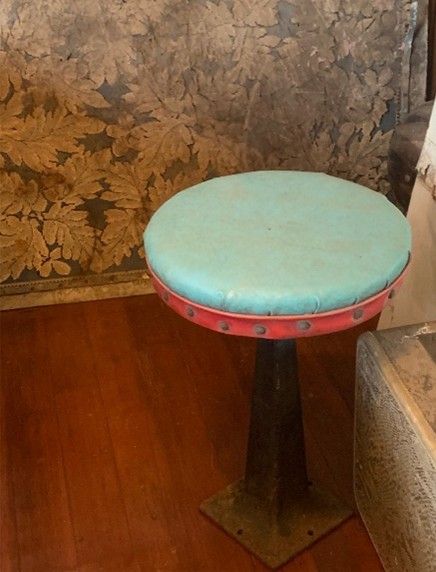
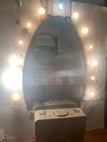
During Marion’s occupancy, it was adorned in taffeta pillows in a rainbow of colors. Marion especially decorated the trailer for Marie in blue and grey complete with chaise, mirrors, dressing table and other amenities. (The Southwest Wave Nov. 28, 1933). Marie was a frequent visitor of Marion and Randolph Hearst at the San Simeon castle. As described in the article, blue and grey rug remnant, powder blue stool, original mirror which still spectacularly lights up. This room talks through images-captured inside these mirrors, like a genie in a bottle.
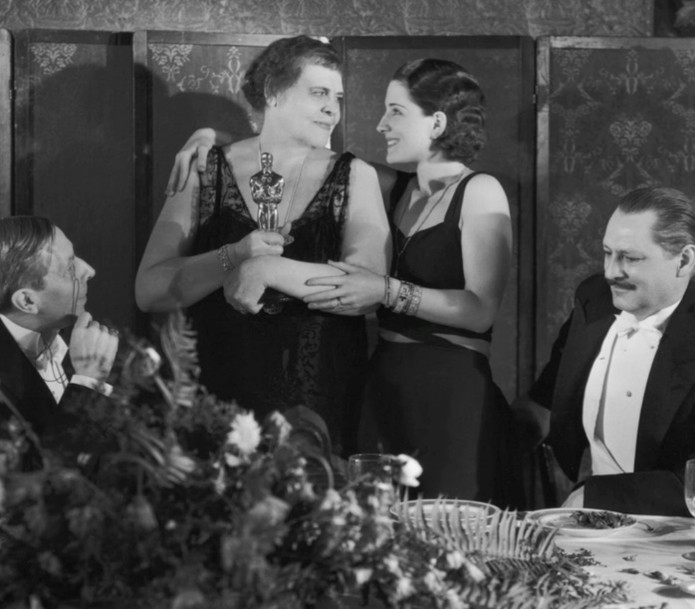
Marie left her door open for her friends. Many of her friends were MGM stars and co-stars, like Marion Davies, Charlie Chaplin, Norma Shearer, Jean Harlow, Lionel Barrymore, Wallace Beery and even Greta Garbo. Dressler won the Academy Award for “Min and Bill.” Seen here with Norma Shearer, her friend and MGM co-star. Marie would make many movies for MGM while enjoying this trailer until her death on 07/28/34.
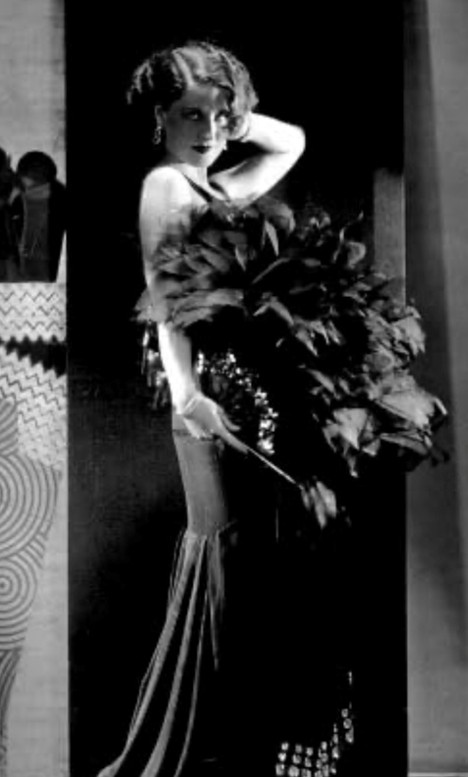
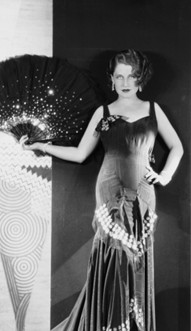
May I touch up my look? Left: Norma Shearer and Marie Dressler starred in “Let Us Be Gay” MGM 1930. Norma would ultimately give her portable dressing room (presented to her by Irving Thalberg) to Mickey Rooney in 1939. A scandal would result (according to Mickey Rooney’s autobiography “Life is Too Short”.
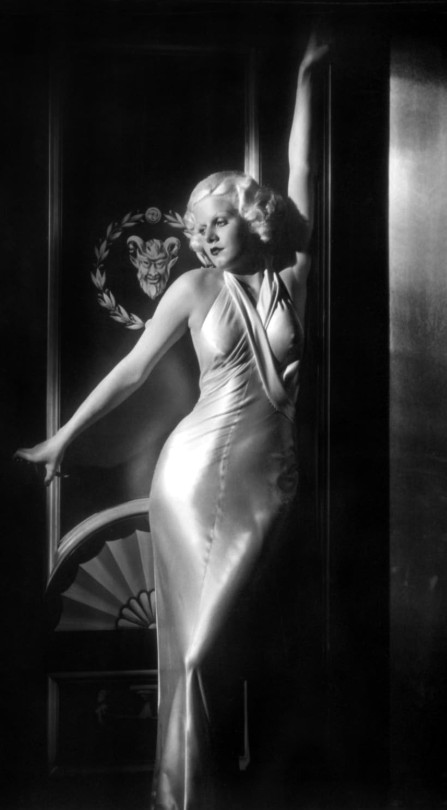
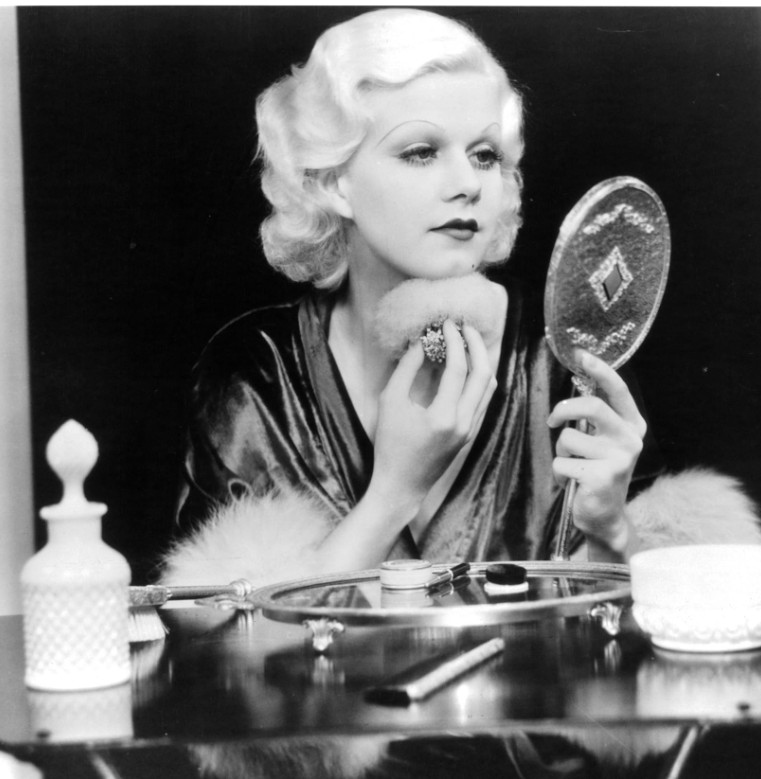
Another beautiful co-star Jean Harlow “Dinner at Eight”.
Fun Fact!
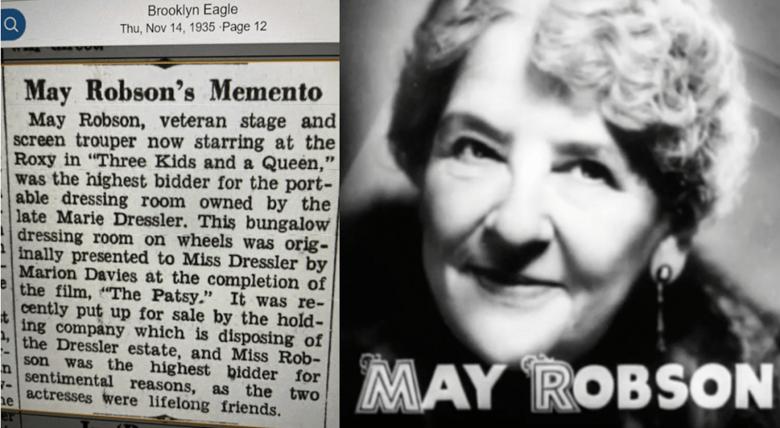
1935-November: May Robson, Oscar nominated actress, was the highest bidder of the portable dressing room from the estate of her lifelong friend Marie Dressler, who passed away on 07/28/34. (Albuquerque Journal}. But wait… There’s more to come for this opulent trailer!
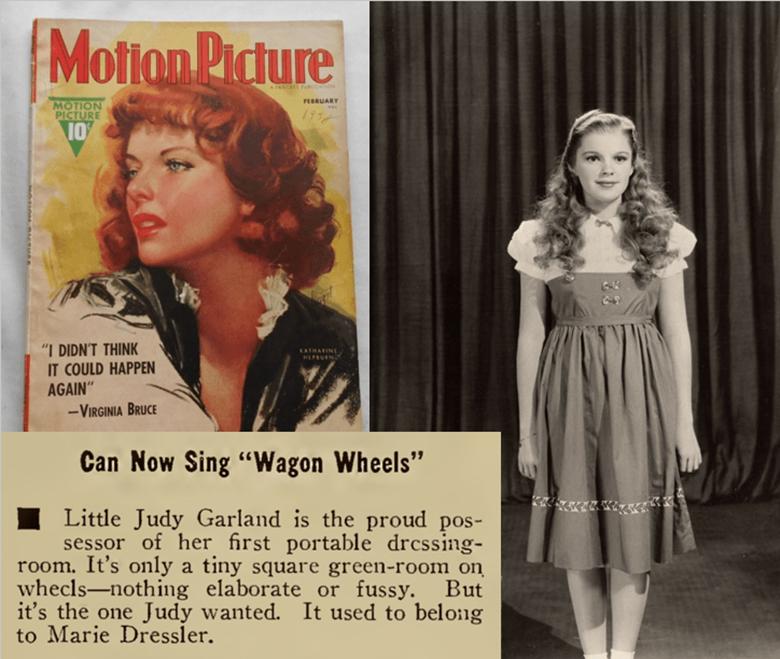
1937-December: Judy Garland receives the Marion Davies portable dressing room (Motion Picture Magazine Feb ’38). She would employ this “Tiny Green Room on Wheels” for one year, including 3 months into the filming of the Wizard of Oz, before she receives a new trailer for Christmas in December of 1938.
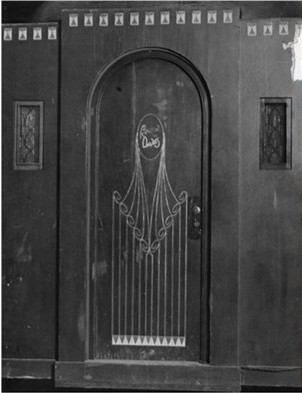
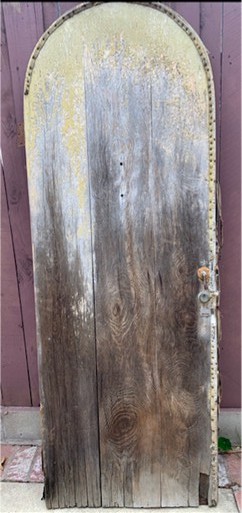
On the right, you can see some of the green paint from when Judy Garland owned it, which she refers to in the article above, her “tiny, square, green room on wheels.”
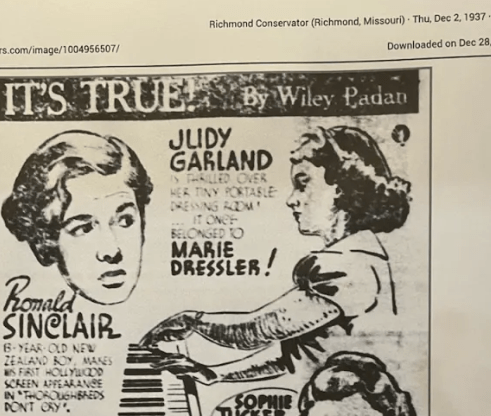
Judy is thrilled over the tiny portable dressing room once belonged to Marion Dressler. (Richmond Conservator December 2, 1937, Pg. 5)
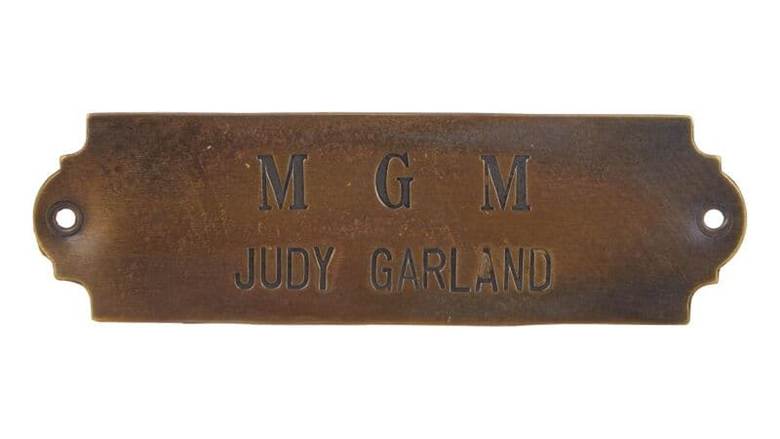
Judy’s Dressing Room Nameplate
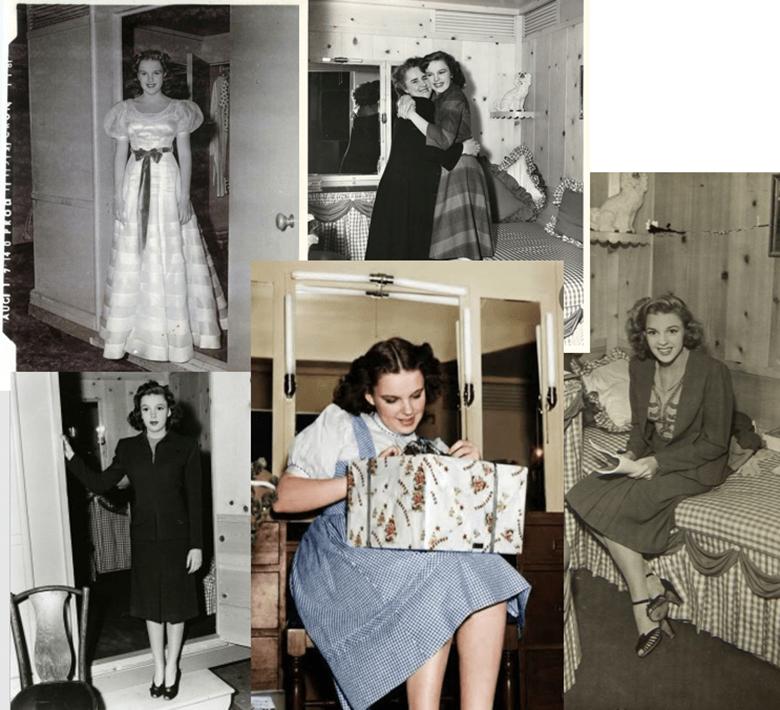
1938-December: As a Christmas gift symbolizing her “new star” status at MGM, Judy Garland receives a “New” portable dressing room from MGM replacing the Marion Davies trailer. Six months later, Garland almost burned down this trailer while cooking in there and the curtains caught fire!
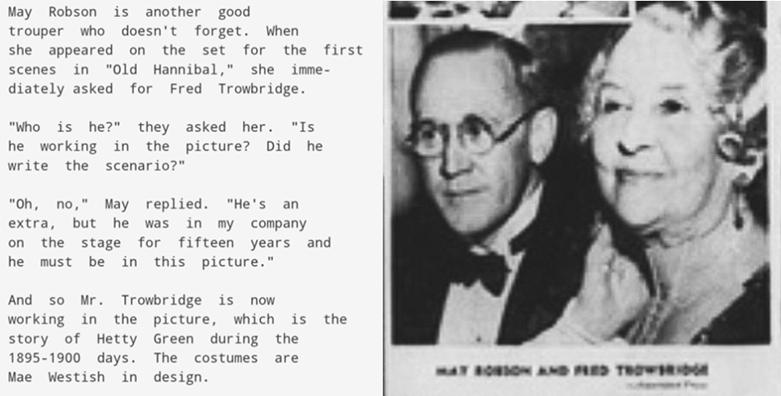
After December 1938, Fred Trowbridge, actor and friend of May Robson adopts and moves the dressing room from MGM to 9024 Lucerne Avenue in Culver City, where it sits today. The articles above and below show how important Fred was to May.
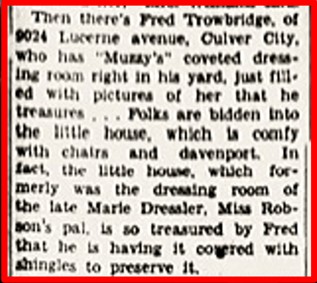
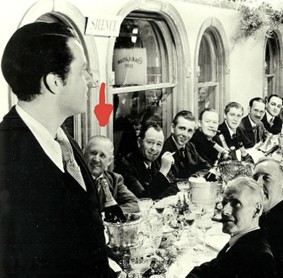
Fred Trowbridge covers the portable dressing room with shingles to preserve it. (Mentioned in Robson’s Obituary article in the Evening Vanguard dated Oct. 22, 1942). Right: Fred Trowbridge seen here at the Examiner party in “Citizen Kane” 1941. A short walk to work-just through his backyard and on the lot!
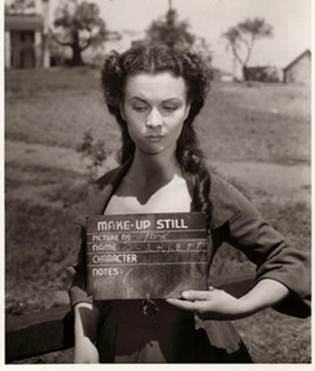
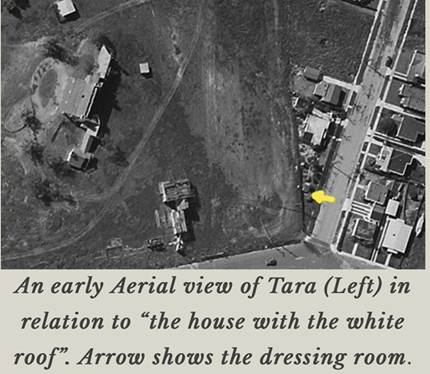
Let’s get swept up in the most idyllic scenario possible… As portable dressing rooms were in high demand, owners of this portable make-up station/dressing room would find a win-win situation in leasing it out as it was in the 60’s and 70’s during the Desilu phase of Television filming. It would make sense that it was loaned out as early as December 26, 1938, when Judy vacated it. This portable room which had electricity, would surely have been in demand by the studio for touch-ups or relaxation during the filming of Gone With the Wind when there were so many stars and featured players on the set at one time and available portable dressing rooms were at a premium and hard to find.
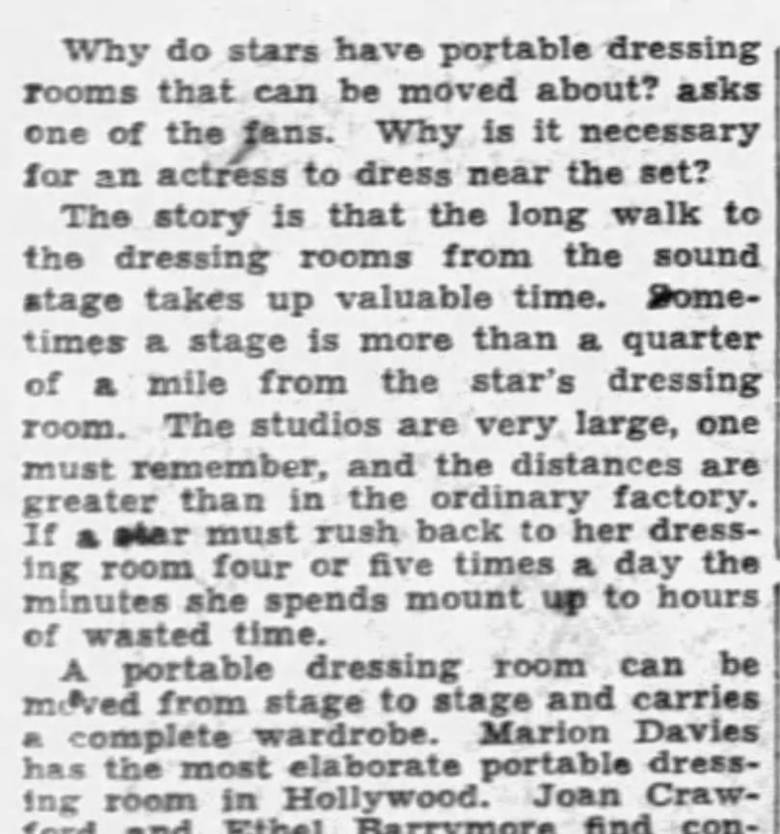
The Boston Globe Nov. 14, 1932: why stars have portable dressing rooms.
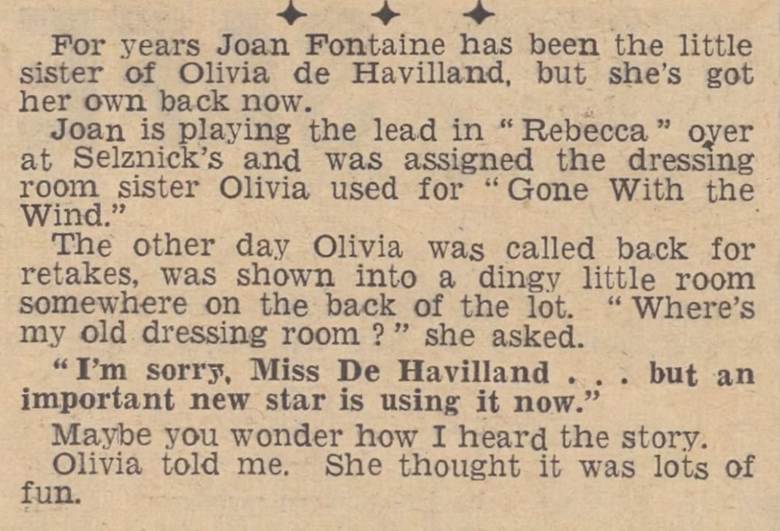
dingy little room somewhere on the backlot?” A shortage of dressing rooms stirs up a little sibling rivalry. “Rebecca” (Hitchcock directing, Selznick producing) on the lot the same time as “GWTW” reshoots. The Daily Mirror Nov. 4, 1939.
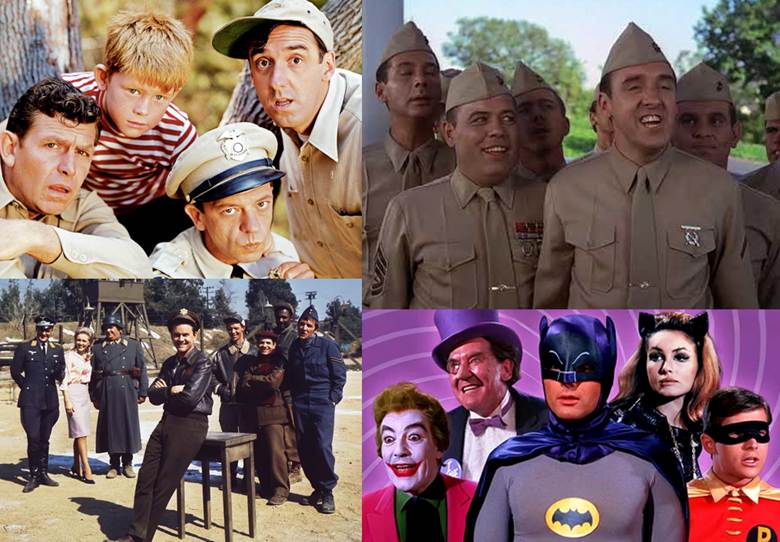
From 1943-1959 we don’t know if the Portable Dressing Room was loaned out to productions on the 40-acre backlot but testimony from residents would confirm the loan of the dressing room in the early 1960s. This was a busy time for Television production on the adjacent lot. Hence, there was great need to tend to actors out on the 40-Acre Backlot for touch ups, since the Studio Main Lot was nearly a quarter of a mile away. The subsequent occupants loaned the trailer out to shows filming on the backlot to Hogan’s Heroes, Batman and The Andy Griffith Show (Residents of Lucerne).
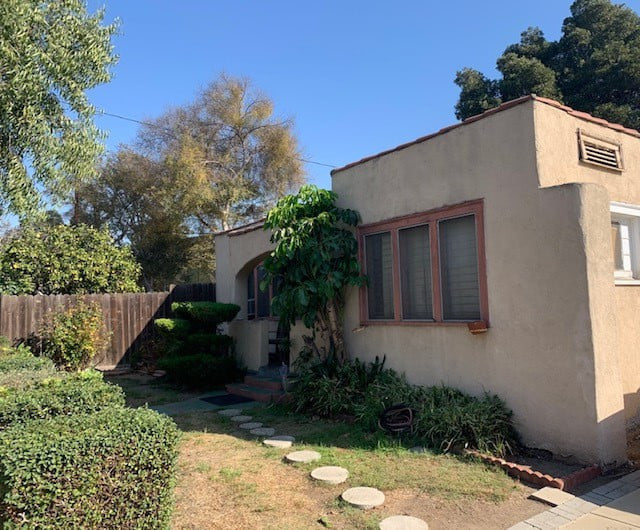
Home of former actor Fred Trowbridge and the infamous make-up trailer. During the TV revolution, Spock, Bruce Lee, Andy Griffith and Gomer Pyle are just some of the faces and characters who have been in and around here. The Batmobile was parked out front here, with witnesses having seen Batman drinking a can of beer from a brown paper bag. All these old homes are part of this film culture, inside and out. This corner in Culver City is centered between what was Desilu and Hal Roach studios. If TV Land has a neighborhood, this is it!
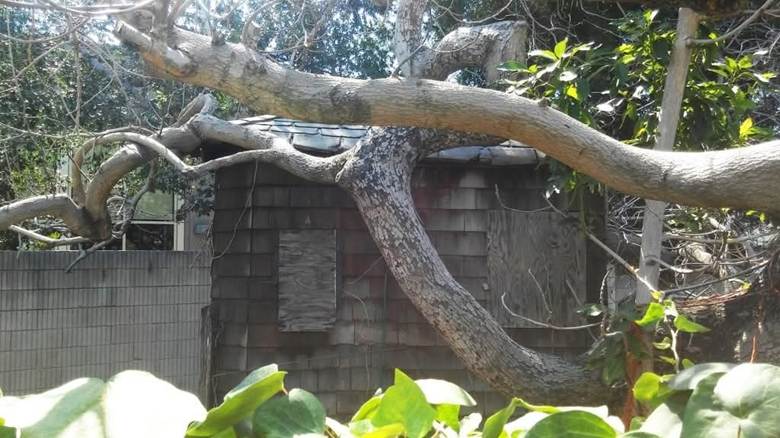
The portable dressing room is still covered with shingles for preservation put there by Fred Trowbridge. (Mentioned in Robson’s Obituary article in the Evening Vanguard dated Oct. 22, 1942). Thank you, Fred, for doing your part in preserving this grand piece of history! For a deeper dive, here is the link to the Original post, you can experience the timeless elegance of the trailer and all of the wonderful artifacts found inside see the original article per the link provided here: Marion Davies Portable Dressing Room is found 100 years later in a Culver City Backyard! – Phantom of the Backlots
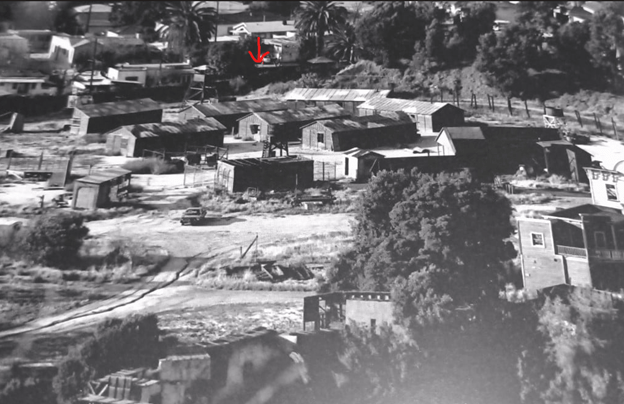
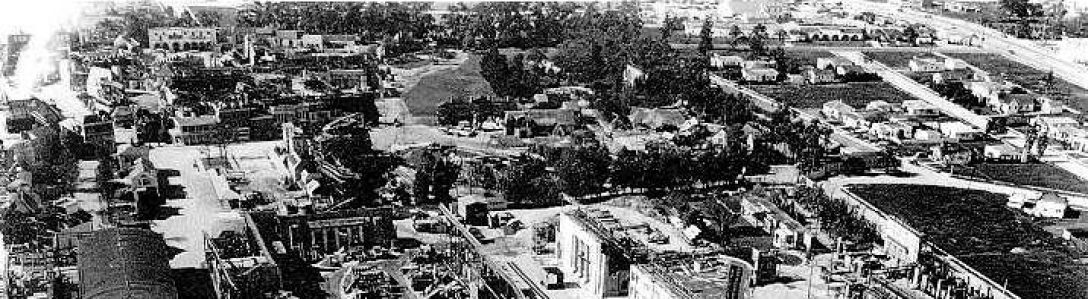
The trailer is barely visible in this shot just behind Stalag 13 sets. As a kid, my passion to escape into Stalag 13 took me through this private yard, regularly starting in 1972. I had to first sneak into this yard before climbing a second fence that puts me right behind Stalag 13. In between the two fence climbs lies a unique structure covered with shingles. My initial encounter with this shed was just an observation as I climbed into Desilu.
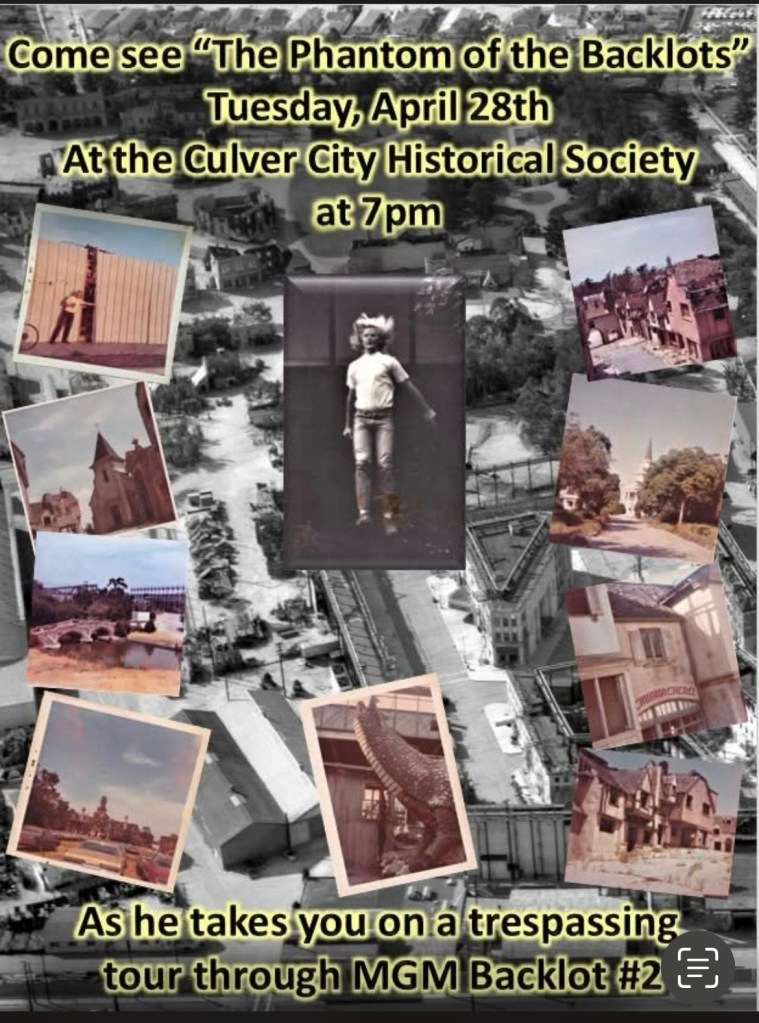

Thanks for taking the time to read my stories. For more Backlot Adventures, check out my books on Amazon.

